
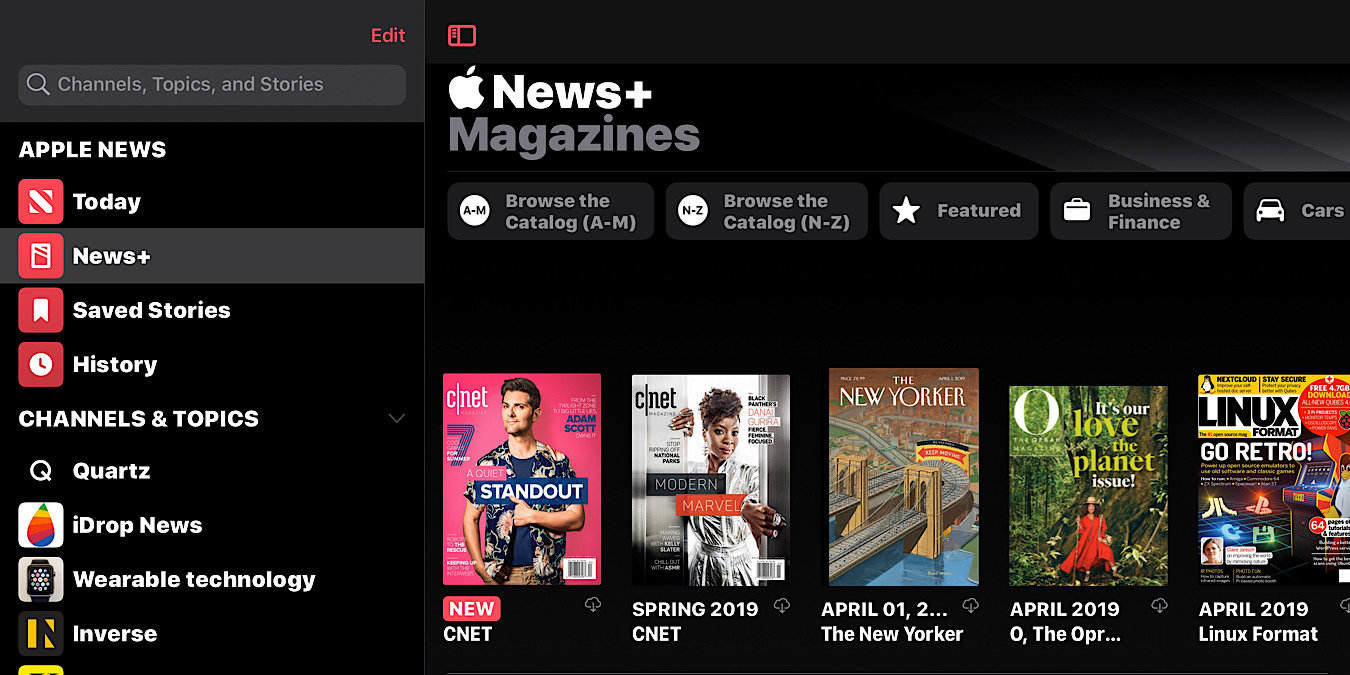

Apple released their News+ plus service with much fanfare earlier this year, a service they’re charging users $10 a month to use. While their original news service is free, just as it’s always been, now they have added premium magazines and newspapers and charging a subscription fee.
But it’s not turning out as expected, at least not for publishers. They’re not happy with with the kickbacks they’re getting from Apple for being included. Publishers aren’t getting near what was promised to them.
Promises Not Kept
The service launched last March, and nearly up until then there were still some publishers that they were being courted, with Apple making deals and promises. The publishers were worried they would be losing out on subscription fees. If users signed up for Apple’s $10 monthly fee, they would have no reason to subscribe to that periodical.
A recent Business Insider report claims publishers were promised that in the first year of Apple News+ they would earn ten times the revenue they had made from Texture. However, it’s not even close, with one publisher stating the revenue is “one-twentieth of what they said.”
To Apple’s credit, they are keeping an open dialogue with the publishers and letting them know what is going on with the service. They have admitted that “users are concerned about what is free and not.”
As a user, I understand. I’m paying for the service and don’t think I use it really other than referencing Wall Street Journal articles to write news articles a few times a week.
Apple could make it easier to find out what’s free, and publishers as well want them to “make it easier for them to convert their magazine content for the app.”
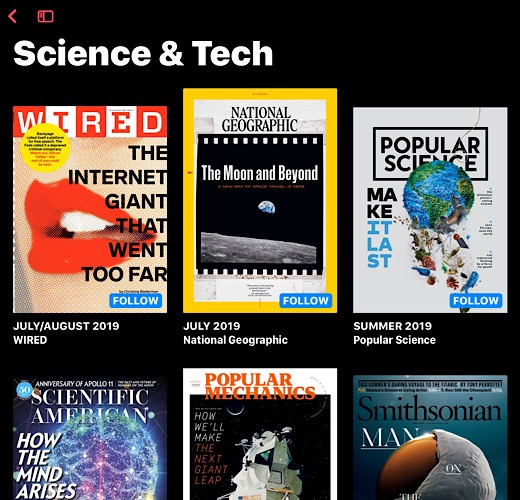
They’d also like Apple to encourage users to spend longer reading a magazine or newspaper since they are paid based on the length of time users spend reading their articles in the app. They probably don’t like me very much then, as I copy my links and open them in a browser.
What surprised the publishers, however, is that Apple doesn’t seem to be spending the time on the service that they should, as “Apple is known for taking a perfectionist approach toward its phones and other hardware,” yet the publishers feel Apple News+ seems “unfinished.”
Apple is promising publishers that they are “working on making the product more intuitive for users while addressing publisher-side concerns as well.”
Fixing the Problems
Eddy Cue, Apple’s senior vice president of Internet Software and Services, said last month that they had “hundreds” of people working on making the Apple News+ service better. They may have even more to work through than they realize, though, as when I first signed up for the service, I had to search through news articles to figure out how to do it, despite being an Apple News reader for years.
Maybe these are just growing pains they need to work out, however. When Apple Music first debuted, songwriters weren’t very happy with them for what they were being paid, during users’ free trial periods. But they eventually ponied up and gave them more.
Maybe that’s what they need to do here, as well as work on the app more like they did with Apple Maps when users were less than enthused with it after its release.
What do you think Apple needs to do to fix Apple News+? Leave your thoughts in the comments.