

For many, January 1st is just the start of a new year, but it’s also Public Domain Day. This means numerous types of creative work are now available to the public to use as they want, for better or worse.
Good News For Creators
Ever wanted to create your own music video to Singin’ in the Rain but couldn’t use the original score because of copyright laws? As of January 1, 2025, that song and many others are have entered the public domain, hence the name “Public Domain Day.” Not only can you use the music in your own videos, but you’re free to create your own derivative works without getting any form of permission first.
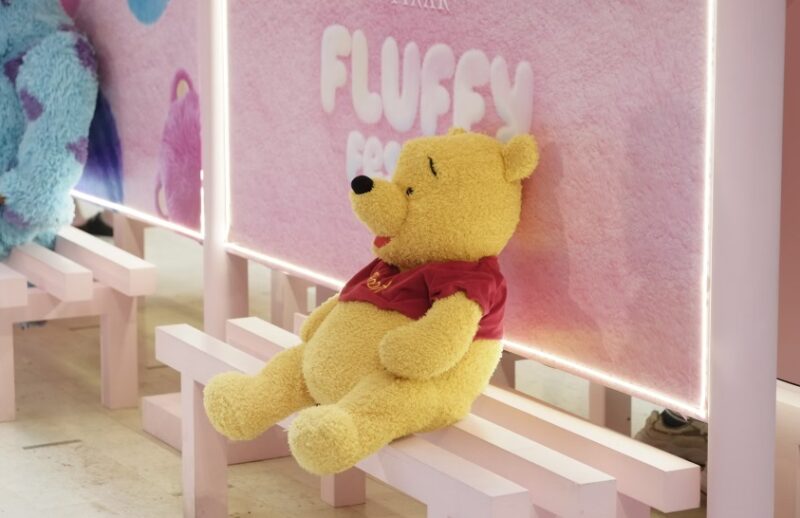
This year, artwork (including comics, film, and art) from 1929 and sound recordings from 1924 are in the public domain. But please don’t ruin childhood classics by turning them into mediocre horror flicks no one ever really wanted to see, like Winnie-the-Pooh: Blood and Honey. I never saw it myself, but I also never heard anything good about it either.
Some of the Top Works Becoming Public Domain
I’m not going to list every single piece of artwork, film, or literature that’s part of Public Domain Day, but there are some notable ones that you may be excited to discover are now freely available to you, such as:
- The first set of Popeye comics
- A Farewell to Arms by Ernest Hemingway
- The Sound and the Fury by William Faulkner
- Toad of Toad Hall by A.A. Milne
- Look Homeward Angel by Thomas Wolfe
- Five of the first Silly Symphonies cartoons from Disney
- The Broadway Melody
- The Cocoanuts
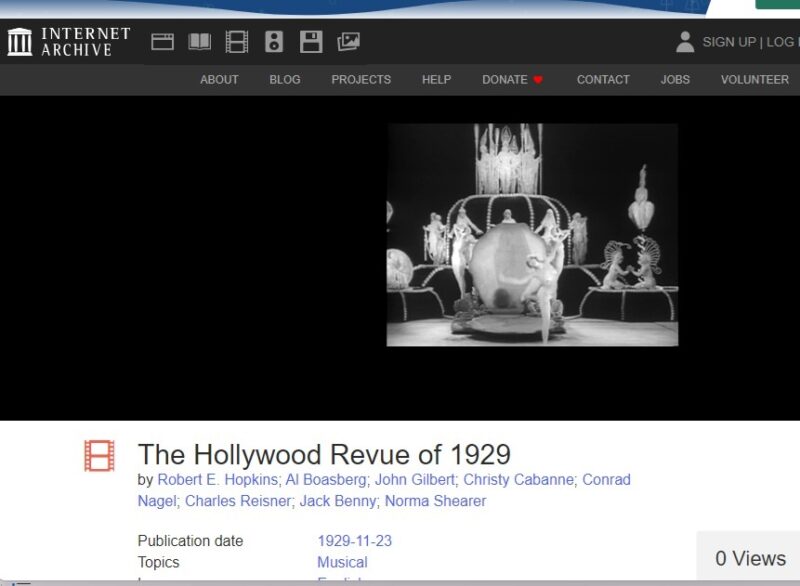
- The Hollywood Revue
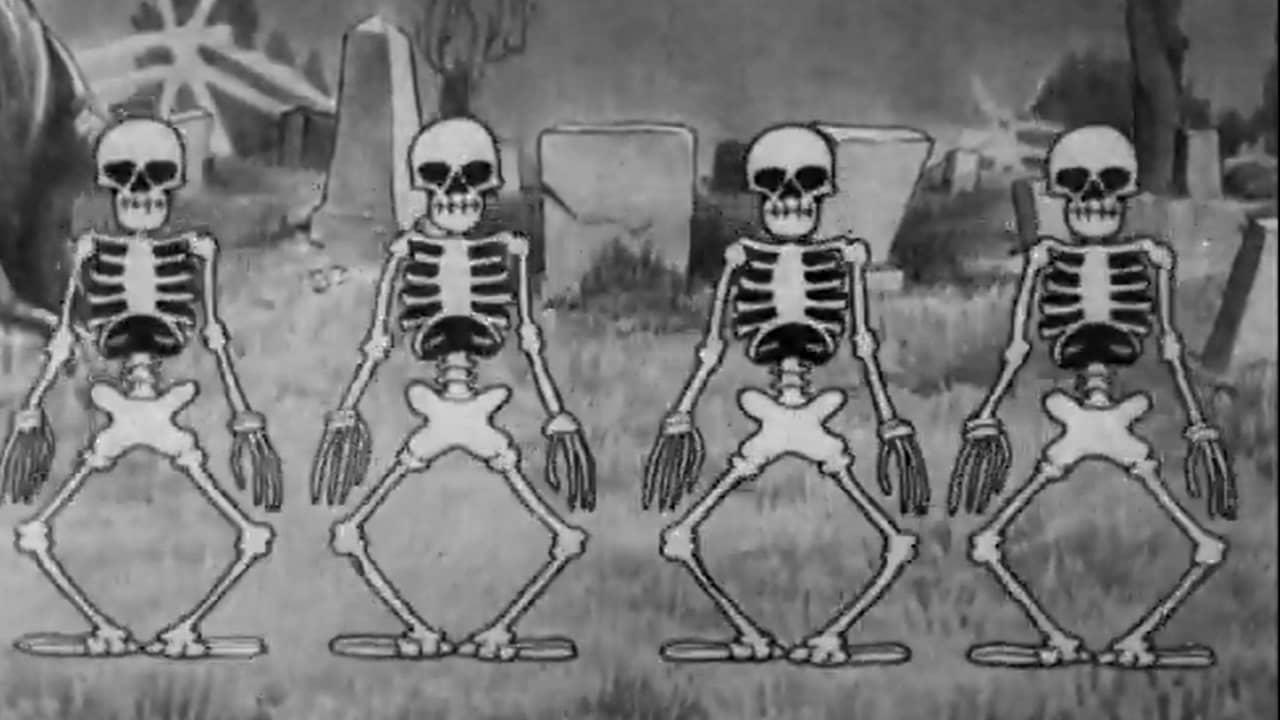
I think I may be most excited about seeing Disney’s The Skeleton Dance become public domain. It’s always been a favorite, and now it’ll be even easier to find on YouTube or even the Internet Archive, to watch whenever I want.
If you just want to download some of the latest public domain ebooks, try these ebook readers to read them anywhere.
Be Part of Public Domain Day
If you’re the creative type, now’s the time for you to explore everything that just became public domain, pick a few favorites, and use them to create something new. For instance, Techdirt hosts The Public Domain Game Jam, asking participants to design games (analog and digital) based on the latest public domain works.
Archive.org is hosting a 2025 Public Domain Day Remix Contest to see how you remix classics into new short films. Even if you don’t participate, it’s worth checking out what people submit. There are even virtual and in-person events being held by the Internet Archive on January 22. Though, other organizations often host their own events, so check locally.
You can find many of the newest public domain works by visiting the Internet Archive and filtering your results by 1929 or 1924 for sound recordings. Then, enjoy having a slew of free music, film clips, and literature to use in your own videos, sound recordings, art, and written works.
Nothing from 1929 fits with your current project? Check out other ways to get free images and music for your creative works.
Image credit: Archive.org