
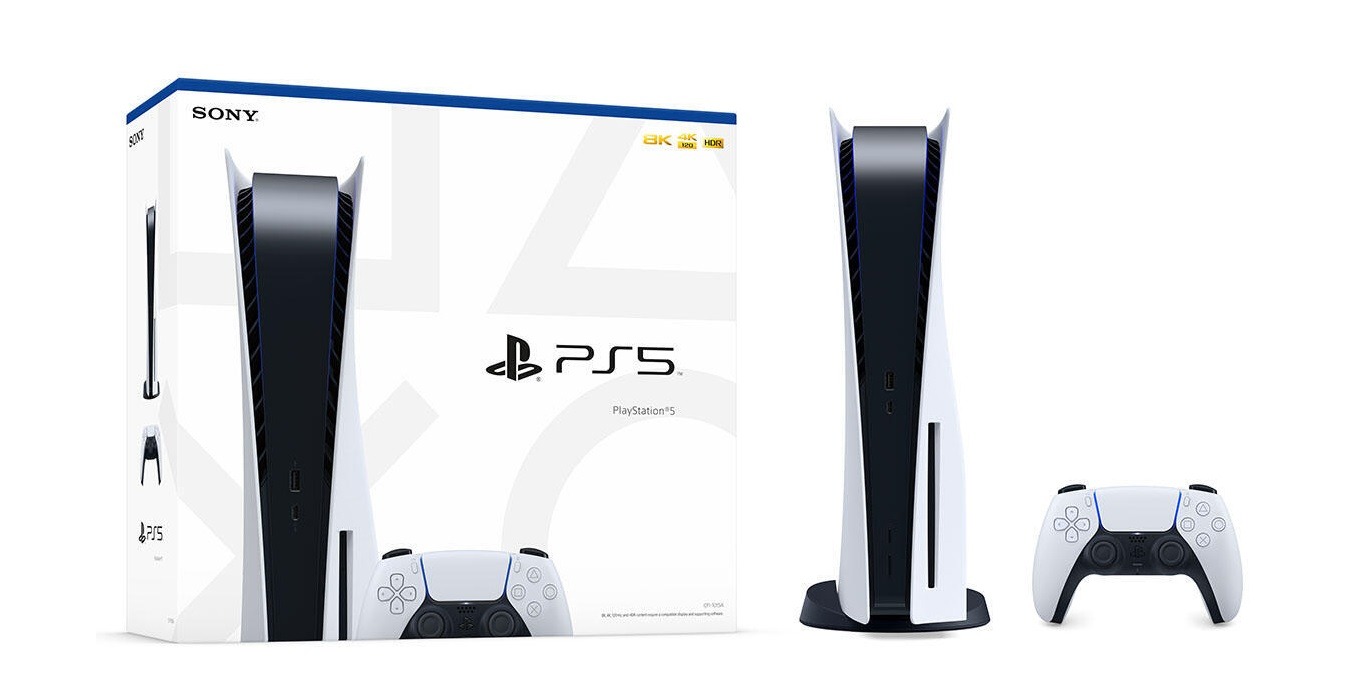

Sony pitched the PS5’s hardware-accelerated Tempest 3D audio engine as a next-generation feature, but what is 3D audio, and how does it work on PS5? This articles answers these questions.
To all the audiophiles out there, this is not a technical explanation. Rather it’s a broad overview of what 3D audio is in relation to other more traditional sound setups and how Sony’s implementation works on PS5. Read on to learn all about the PS5’s 3D audio!
Also read: Why the PS5 Can Run Games Faster than Series X
What is 3D audio?
Traditional playback of sound is split up into channels. Back in the 1960s, for example, when the Beatles first started releasing their music, they released it in single-channel, or mono. This means that if you’re listening to headphones, you’ll hear the same thing from both sides.
Today, music is recorded and released in stereo, which means two-channel audio, so if you’re listening to something on headphones, you’ll hear two slightly different outputs coming from the two sides. This allows musicians and artists to vastly increase the complexity of their creations by tweaking what a listener hears from each ear.
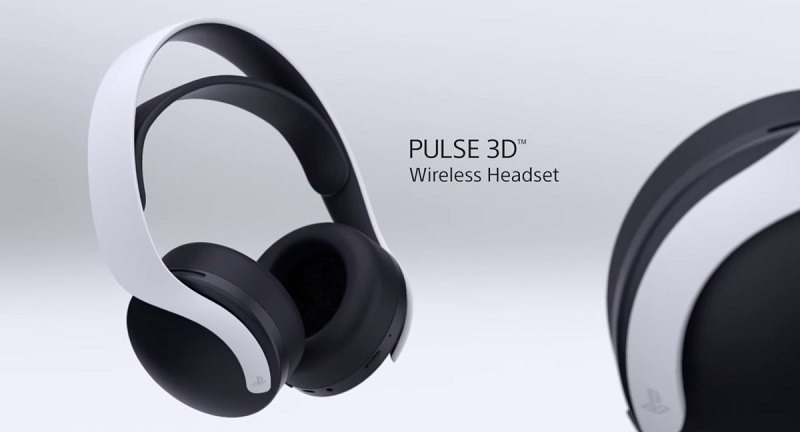
Surround sound is simply more-channel audio, often coming in 5.1 or 7.1 setups, where the five or seven refers to the number of speakers in the setup and the point-one refers to a subwoofer. While not often used in music, when it’s used in television, film, and games, it splits your audio into many different channels. This allows you to have directional sound and feel as if you’re positioned in the center of the action.
3D audio is a reinterpretation of the idea of channels in audio. Instead of having a number of discrete speakers that put out sound corresponding to action on the left side of the screen versus the right side of the screen, 3D audio uses object-based spatial sound to generate sound digitally from many, many individual sources.
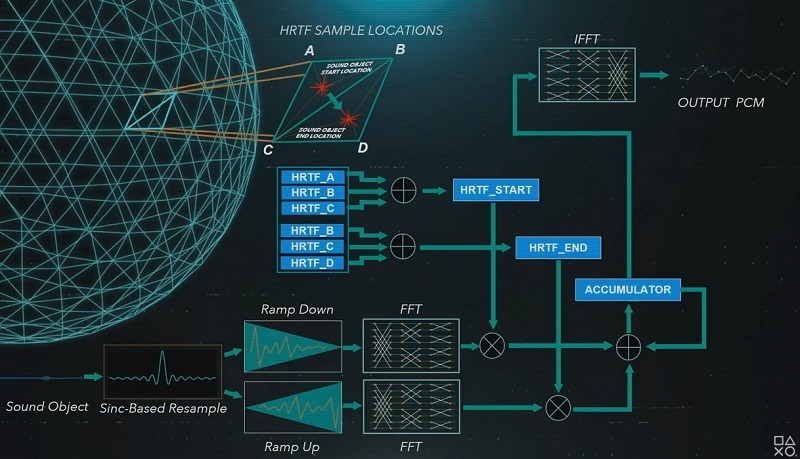
In effect, instead of, for example, playing a track with rain sounds when it’s raining and adjusting the volume of the rain as you get closer to or further from the source of the rain, 3D audio will simulate the sound of individual raindrops falling in the context of where you are within the world onscreen.
Also read: How the Next-Gen Consoles Will Change PC Gaming Forever
How does 3D audio work on PS5 today?
First off, 3D audio isn’t a replacement for traditional audio, and you won’t have to choose between “regular” audio and 3D audio. These technologies work in concert with one another, so if you listen to audio in stereo on a soundbar under your TV, 3D audio would be piped out from the two channels on your soundbar.
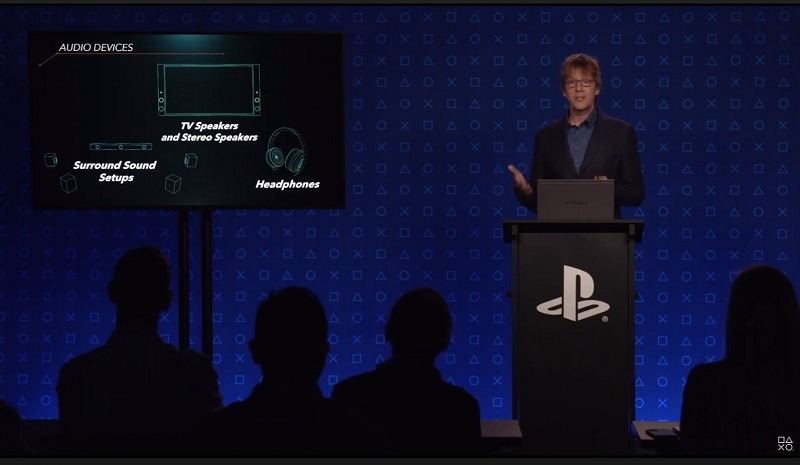
Sony’s 3D Tempest engine audio on PS5 is like a proprietary, hardware-accelerated version of Dolby’s Dolby Atmos 3D audio. It’s a piece of software that relies on PS5 hardware. Eventually, you’ll be able to enable 3D audio on PS5 on whatever sound system you have, be it surround sound, stereo, or simply headphones. However, today that is not the case.
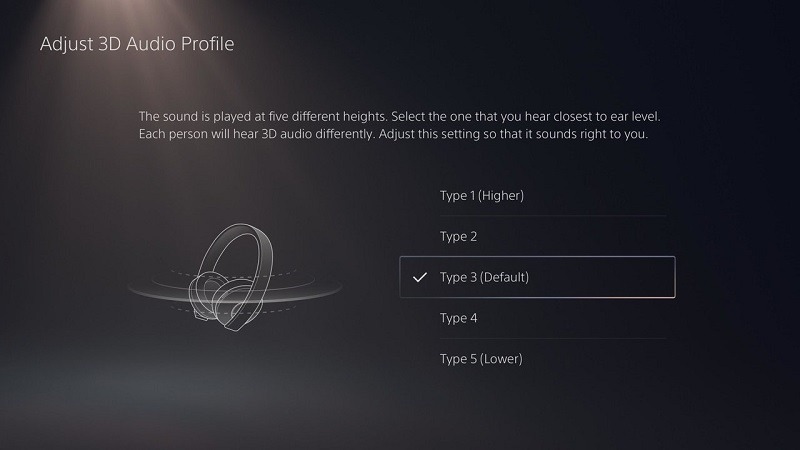
Currently, 3D audio support on PS5 can only be enabled on headphones, though you won’t need Sony’s official PS5 headphones to use the technology. Once enabled, there are a few different audio profiles to choose from to customize your experience, but the level of audio fidelity provided by headphones usually isn’t amazing, even with tweaks.
When support for 3D audio comes to other devices and is more configurable, the technology is likely to see much more traction. Considering the next-generation positioning of 3D audio, it doesn’t make much sense to give up the fidelity of a high-quality speaker system to experience the new technology on whatever pair of headphones you have lying around.
Conclusion
Unlike the haptic feedback and adaptive triggers of the DualSense controller on PS5, 3D audio can redefine how every gamer interacts with games on a constant, fundamental level: hearing. Though, currently, the technology is limited in application to headphones, and if you don’t have very good headphones, chances are the effects of 3D audio won’t be earth-shattering on PS5.
Though, as developers make use of 3D audio in games and Sony rolls out more 3D audio support to other sound systems, the immersiveness of sound on Sony’s console may well outpace the competition.
Have you tried out the 3D audio on PS5? If you are planning to get a PS5, find out more about its backwards compatibility first before getting one.