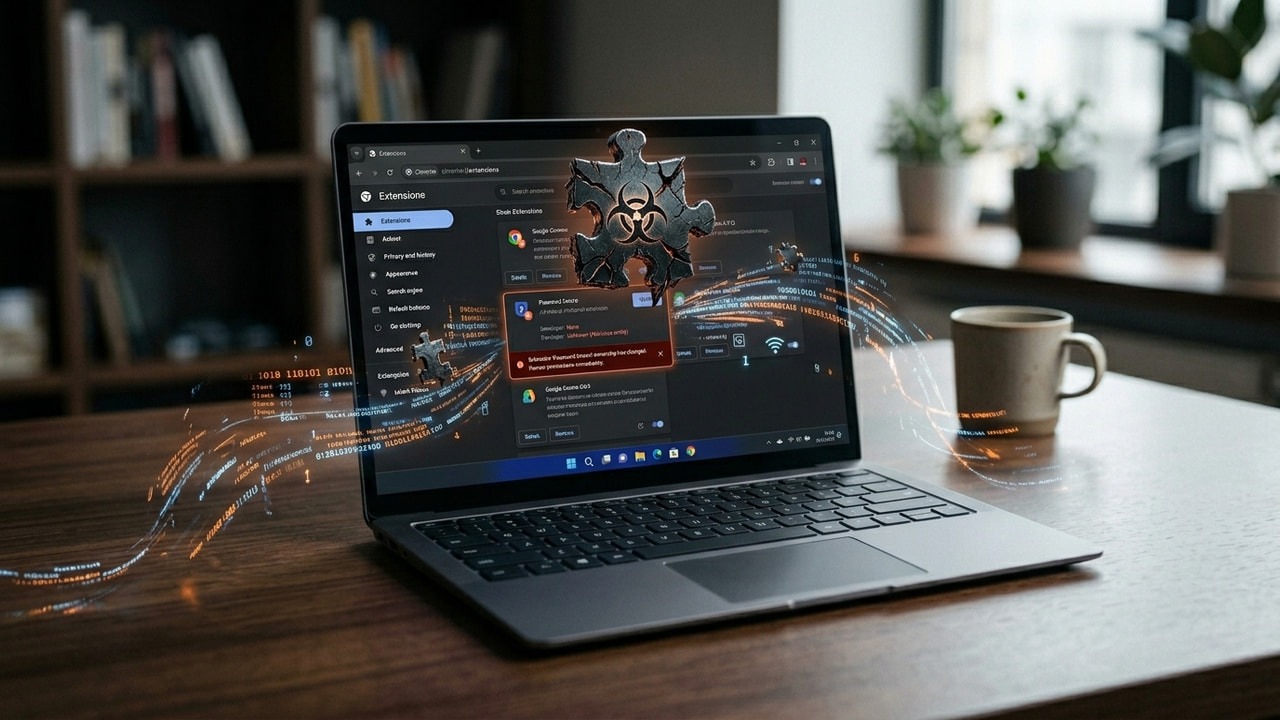
A recent hack could leave some of the top companies in the world vulnerable to an imminent attack. The massive F5 hack has companies scrambling to prevent the fallout, but everyone needs to be prepared if hackers start taking advantage.
What is the F5 Hack?
If your first thought was wondering why hackers are interested in the F5 key, you’re not alone. Instead, this is the Seattle-based company F5 that just happens to be responsible for the networking software used by numerous Fortune 500 companies and government agencies worldwide.
F5 publicly announced the hack on October 15, 2025, hackers used a sophisticated attack to infiltrate F5’s systems. This went undetected “long-term,” though the company doesn’t say exactly how long that period was. Some experts believe it could be anywhere from months to years.
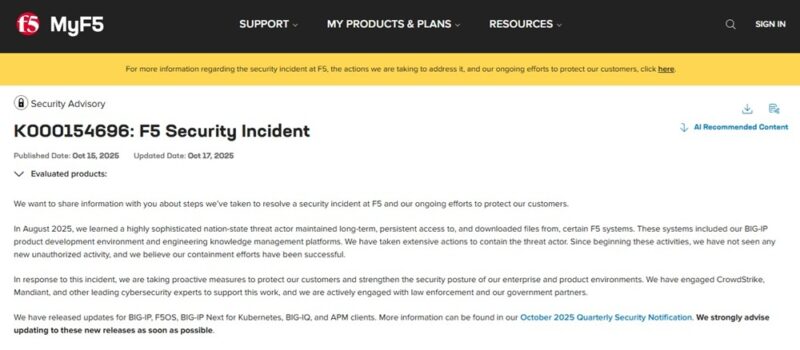
During this time, the nation-state threat actor downloaded files from various F5 systems. These include:
- BIG-IP
- F5OS
- BIG-IP Next for Kubernetes
- BIG-IQ
- APM
According to F5, the worst threat right now is the files downloaded for BIG-IP. These included source code and details on vulnerabilities that haven’t been patched yet, making them targets for hackers.
Plus, BIG-IP, which is a line of server appliances, is used by 48 out of the top 50 companies in the world.

In layman’s terms, thousands of networks could be vulnerable due to the F5 hack. What makes it even worse is that hackers may also have access to user credentials and customer configurations, making it easier for them to get in undetected.
F5 Issuing Immediate Security Updates
While F5 assures customers there hasn’t been any more unauthorized activity and no documented exploits yet, the company has created updates for all known vulnerabilities to help protect companies and users.
The most important thing for any company that may be affected to do is to download and install any relevant updates immediately. Waiting puts you, your employees, and customers at risk of data theft, ransomware, and even complete network takeovers.
Another reason to update immediately is older software could receive malicious updates since hackers may also have access to previous cryptographic keys. Since the keys show the updates are signed by F5, the updates would install without issue.
F5’s recently rotated its cryptographic keys and signing certificates to prevent this issue. But, that only applies to companies using the latest versions of the affected systems and software.
Not Just Major Corporations and Governments Affected

With thousands of networks potentially compromised, the main focus right now is on corporations versus the average, everyday person. But, sensitive information for millions of users are stored by these corporations and governments.
If hackers have credentials or can exploit vulnerabilities, they’ll have access to nearly anything on the hacked network. For you, this means any of the following could be compromised:
- Financial data, such as credit cards, banking info, and more
- Social security numbers
- Usernames and passwords
- Accounts on any sites that use those same credentials
- Date of birth
- Address and phone number
- Tax documents
- Health information
And this is just some of the main data that could be stolen. Considering how quietly hackers got into F5’s systems and stayed there, companies may not realize if they’ve been compromised for weeks or months.
Things You Should Do Right Now to Protect Against the F5 Hack
Obviously, you have zero control over whether companies or government agencies install the security updates. You also can’t control what data they have access to.
However, there are some simple, yet highly effective things you can do immediately to start protecting yourself in case something does go wrong.
1. Monitor Your Credit Reports
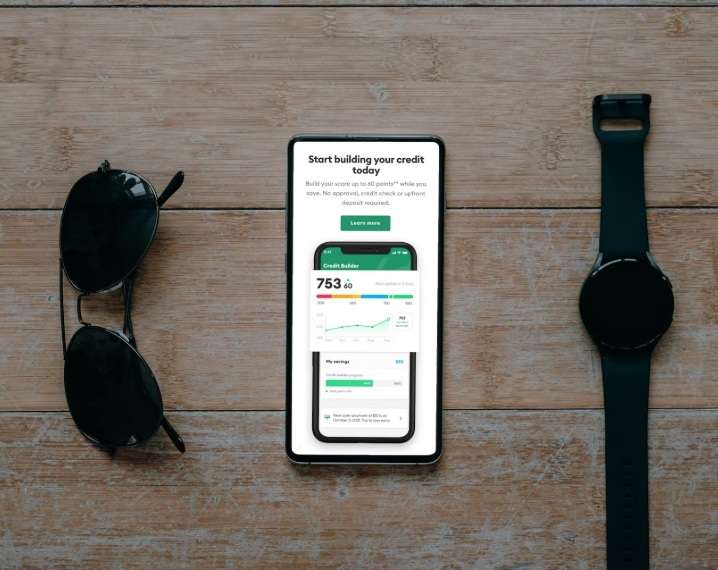
You can check your credit report for free at any time using a credit reporting site. Most offer premium services as well, such as real-time alerts. Monitoring your credit reports lets you see if anyone is trying to open new accounts in your name. When you catch it early, it’s much easier to refute the account, close it, and protect your identity.
2. Freeze Your Credit Report
Unless you’re planning to apply for a new line of credit, such as a credit card or a car loan, freeze your credit report. No one can open a new account when your credit report is frozen. You’ll need to remove the freeze to apply for credit yourself.
It’s completely free to do with Experian, TransUnion, and Equifax. The FTC guides you through what to do, what it means, and why it’s beneficial.
3. Change Passwords and Keep Them Unique
Consider changing passwords for any site containing sensitive information. This ranges from banking sites and tax prep services to email and ecommerce sites.
While you’re changing passwords, make sure you’re not reusing anything. Use a password manager to help you keep track of all your unique passwords. Just know that even top password managers have occasional security vulnerabilities. Offline password managers, like KeePass, aren’t as convenient, but they are more secure.
4. Monitor Your Email for Breaches
If a company gets breached, you may never know about it. They might put up a notice on their site and never contact you. At least once per week, check your email address for any possible breaches. There are a variety of sites and services that compare your email address with lists of stolen credentials. They’re free to use and help you stay on top of your digital identity.
5. Pay Close Attention to Emails and Texts
If a network is hacked, your data could be used to create sophisticated phishing scams. An email that appears to come from your insurance company might ask for personally identifying information. It seems legit, so you reply to the email or text or click the link to login to the scam site.
By personalizing the messages, it’s easier to trick you into complying. Just remember, it’s always best to contact the company directly without engaging with the suspicious email or text.
The F5 hack has opened the door to widespread cyberattacks. Monitor your information regularly so you’re not caught by surprise if the worst happens. Also, pay close attention to the latest threats, including phone number recycling, to better protect yourself.