

A year of being locked in our homes has changed our entertainment options. Without movie theaters and nights out with friends and family, we looked for other options. Social influencers stepped out from in front of the camera and picked up microphones. Celebrities without movies and TV shows to film joined in. Facebook and Apple noticed and have created options to take advantage of the podcasts boom.
Apple Podcast Subscriptions
It’s up for debate where podcasts began, but there’s little debate that Apple had heavy influence in the medium. There seemed to be podcasts available on every subject. Once streaming and social media found their own insurgence, though, podcasts took a backseat.
But the pandemic created something interesting with supply and demand. The public needed more entertainment options, and celebrities had time on their hands. Suddenly, everybody and their brother had their own podcast.
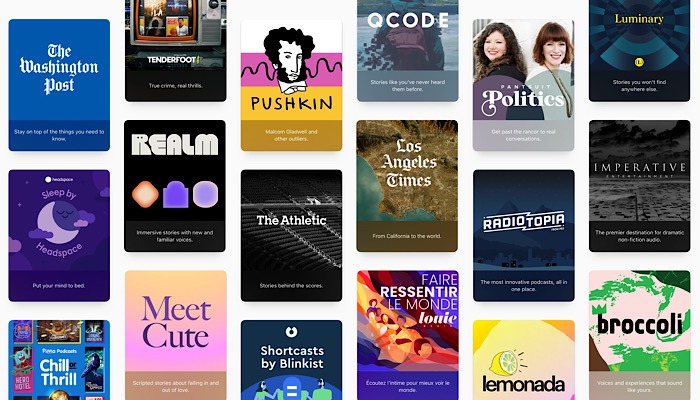
With Spotify jumping into the podcast game, Apple seems to have seen an avenue to exploit to gain an edge. With Apple doing very well with its services, including AppleTV+, News+, Arcade, et al., it was only natural for them to do subscription podcasts.
During Apple’s “Spring Loaded” event this week, the company announced “Apple Podcasts Subscriptions.” Users will have the option to sign up for the service and enjoy “ad-free listening, access to additional content, and early or exclusive access to new series.”
“Today, Apple Podcasts is the best place for listeners to discover and enjoy millions of great shows, and we are proud to lead the next chapter of podcasting with Apple Podcasts Subscriptions. We’re excited to introduce this powerful new platform to creators around the world, and we can’t wait to hear what they make with it,” said Apple’s senior vice president of Internet Software and Services, Eddy Cue.
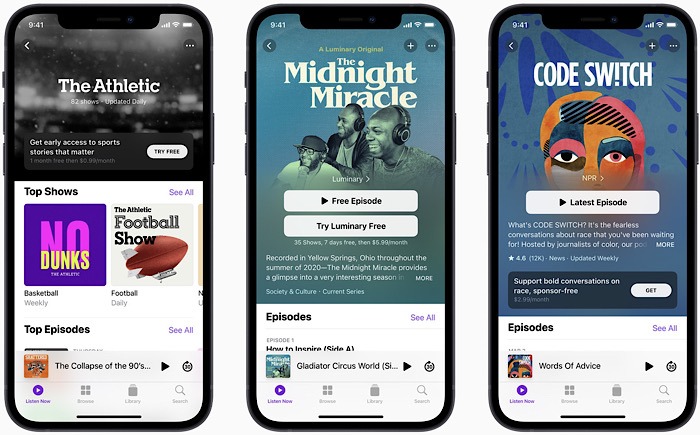
Additionally, Apple is redesigning the Podcasts app with iOS 14.5, which will be available next week. The app will make it easier to discover new content and save and share it. Additionally, creators will find it easier to manage and edit their content.
Facebook’s Social Audio
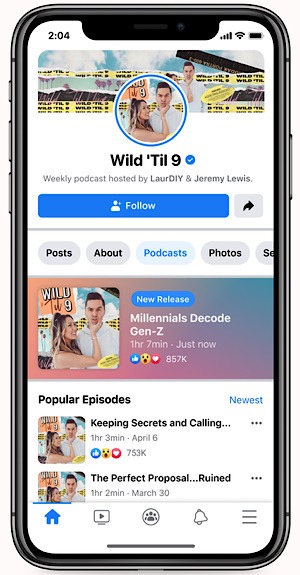
Facebook saw something it could exploit as well. While 170 million people are connected to podcast pages on Facebook and 35 million more belong to podcast fan groups, “until now, you had to leave the Facebook app to listen to these episodes,” Facebook explained in a blog post this week.
The social network went on to add that in the next few months, you won’t have to leave the Facebook app to listen to podcasts on Apple, Spotify, or another app – you’ll be able to do it right in the Facebook app. And of course, Facebook will make it easy to share the podcasts without leaving the app.
Additionally, Facebook is introducing “Soundbites.” These will be short-form audio from creators, such as comedians, chefs, motivational speakers, etc. Facebook will start testing Soundbites in the next few months.
Facebook also wants to bring audio to the social aspect of its business. It will be testing “Live Audio Rooms” in Groups. This will work alongside the Facebook groups. Imagine being able to have a group audio discussion in the groups you already belong to on Facebook. The concept will also be opened up to public figures to host an audience in an Audio Room.
But it’s not going to be free. Facebook is opening up monetization opportunities. Listeners can support creators or donate to causes. Additionally, creators will be able to charge for access to a Live Audio Room.
Whether through podcasts or social audio, both Apple and Facebook have figured out how to exploit this boom into a money-making opportunity. The question is whether their efforts will dilute the market.
If you’d like to start creating podcasts and join the boom, read on to learn about essential tools for recording high-quality podcasts on Linux and four of the best Android apps for recording podcasts on the go.
Image Credit: Apple Newsroom, Facebook Newsroom, and public domain