

Nothing beats the excitement of a new smartphone: new features, more space to store things, clean screen, etc. However, it leaves the question of what to do with the old one, something that was attached to you for probably two years or more. Nearly 70 percent of smartphone users hold on to their old phones and don’t sell them.
Survey Reveals Users Hesitant to Give Up Old Phones
I’ve never sold my old phones, and this is why: I’m always afraid of something happening to my newer phone. I want something as a backup. I bought an iPhone 16 in September, but my old iPhone 12 is still in the same room I’m sitting in now. The opportunity for a discount on a trade-in has never been alluring to me.
I’ve given up a few of my old phones to my son after he’d ruined yet another phone, but the rest I’ve kept. I do the same with my iPads, though when I get a new one, I save the newly retired one and either give away the next one down the line or sell it at a greatly reduced price to a family member. I did the same with my old Apple Watch.
A new survey shows I’m not alone. Nearly 70 percent of smartphone users have never sold their old phones. Furthermore, 77 percent of smartphone users say the resale value of their old phones doesn’t even enter into the equation, while 18 percent didn’t have confidence in the value of their old trusty phones.
This raises the question of why nearly a fifth of users don’t have confidence in their old smartphones. The device has been treated like their most valuable asset. If I leave my phone somewhere accidentally, I go into panic mode – and I know I’m not alone. Yet, one in five people doesn’t believe their old phone has value.
How Much Is My Phone Worth?
When I was 14 years old, I learned in school about supply and demand. That’s what this is. More than three quarters of iPhone users don’t give any consideration into the worth of their phones, and the majority of them never sell them.
Because they don’t sell their phones, it increases the value even more. There aren’t enough old phones to go around. It must be similar to used cars, as I get offers from Ford to sell my old car. But I have no car payment and a car that’s working well, so there’s no reason for me to sell mine.
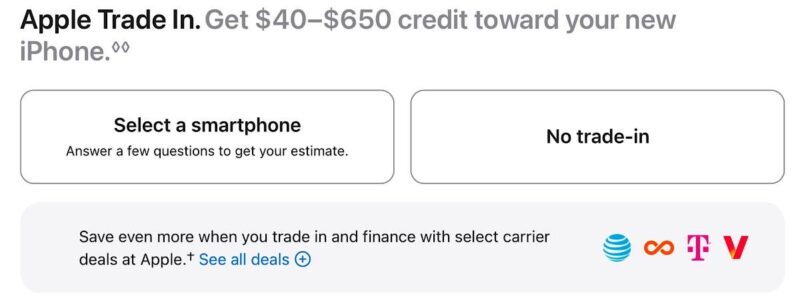
Likewise, to lure you into buying flashy new phones, smartphone companies and cell carriers throw big numbers at you. Not so much the price of a big device, but the trade-in discount they will give you if you give up your old phone.
Last year, the used and refurbished mobile phone market in the United States rose to around $8.67 million, with a marketing research company believing it’s going to triple in another seven years. Those numbers could be even better if only iPhones are considered, as they’re known for retaining their value more.
Tip: learn how to turn your old Android into a webcam.
Research showed instead of the resale value, it’s not understanding the resale process and privacy concerns that lead users to keep their old phones. Smartphone companies would only help themselves with the resale market if they educated potential buyers on those matters.
The other reason users hold on to their old phones? It’s simple lack of effort. If you buy your phone in a brick-and-mortar store, it’s easy to give it up. But if you buy it online, you have to go to a store to turn it in or mail it in to get money back for it.
These are all things to consider the next time you buy a new smartphone. Will you be like most others and keep your old phone? Or will you take that trade-in value? If you decide to keep it, then decide to give it up, here are some places you can recycle an old iPhone.
Image credit: Image Playground. Screenshot by Laura Tucker.