

Now that we have the options of hundreds of channels, more digital, cable, and satellite systems than you can shake a stick at, DVRs, and on-demand, advertising embedded in our entertainment has become passé. I either record my TV so that I can forward past the commercials, tune them out, or watch shows that don’t have them. However, that’s not making money for advertisers. Amazon Prime Video started including ads in its programming earlier this year, and now it has announced that it is adding even more.
Amazon Bringing In Money from Ads and Subscribers
No matter how you look at it, Amazon continues to bring in cash, with every subscriber. It announced last year that it would begin running limited ads in its Prime Video programming. If you didn’t want to see the ads, though, you could pay an extra $3 each month.
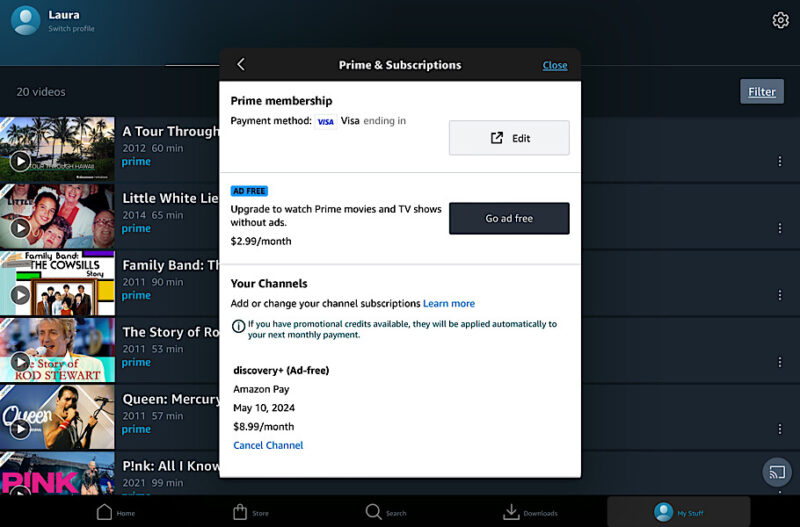
That means Amazon got more money, regardless of your wishes. Either it is taking a straight $3 cut from you, for the pleasure to not have your entertainment interrupted with ads, or it is getting advertiser money by forcing you to sit through its commercials.
There is a third option, one that has fed-up subscribers dumping the subscription and flocking to a competitor. And now that it has announced even more ads are arriving on its streaming service, it could be losing even more subscribers.
Good to know? Which one is for you: streaming or downloading?
Amazon Announces More Ads
Amazon announced that it is adding even more ads to the service. And these ads may not be so easy to get rid of. And once again, it’s sucking even more money out of its subscribers. This time, the ads appear to benefit Amazon’s famous online shopping.
Discussing the upcoming broadcast year, Amazon’s blog post announced that brands could use “shoppable carousel ads” to help its subscribers browse and shop on Amazon during ads shown during TV shows and movies on Prime Video. There are also options for “interactive pause and brand trivia ads” in shows, movies, and live sports. It was noted that research shows advertisers that ran interactive and non-interactive ads boosted engagement.
Shoppable carousel ads were explained as showing during ad breaks, allowing brands to show a “sliding lineup of their products” that are, of course, on Amazon. The ad will pause for a subscriber to browse, then continue once they stop browsing. So they can’t get away from the ad, even if they shop. With interactive pause ads, subscribers will get ad messaging for products on Amazon when they push pause. Interactive brand trivia ads are just what they sound like.
If you watch Amazon Prime Video, it seems like you will not be able to escape this. Options weren’t given for more subscription costs and nothing was mentioned about the ads not appearing for subscribers paying the extra $3 a month.
This isn’t too different, though, than Netflix shaking down its customers to find out who is sharing passwords. The freewheeling time of watching TV and movies without ads, and doing so because someone close to you has a subscription, has ended. You will pay with Netflix, Amazon, and others, regardless of who has a subscription, and will either do it through a subscription fee or watching ads.
Image credit: Unsplash. All screenshots by Laura Tucker.