
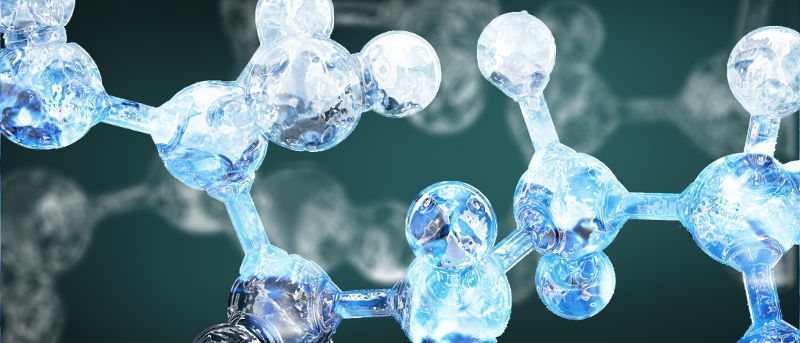

The race has been going on since the first silicon computer chips began to appear. Hardware manufacturers have constantly been one-upping each other in a frenzy to cram as many transistors as possible into tinier and tinier spaces. In 2014 Intel celebrated the release of processors featuring transistors about 6,000 times smaller than the diameter of a single strand of hair. This is a far cry, however, from the dream of achieving the manufacture of molecular-level transistors. On 17 June 2016, a group of researchers in the Peking University in Beijing may have proven that this dream may be closer to reality than we think. As the race for smaller hardware continues, we may as well dive into what this may mean for us and what challenges manufacturers may face in trying to make molecule-sized technology a reality.
The Problem with the Word “Molecule”
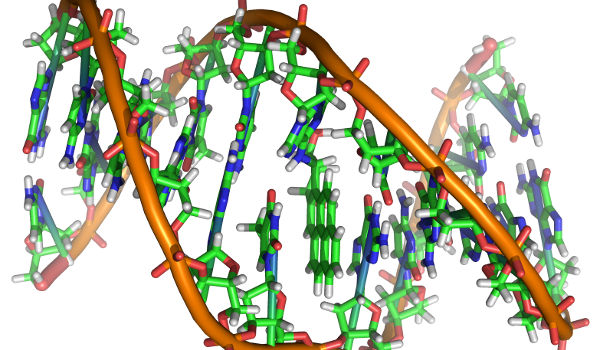
Whenever we think of a molecule, we think of something extraordinarily small – something so small it can only be observed with highly-specialized equipment. The problem is that, unlike atoms, molecules do not always come in such microscopic dimensions. When someone tells me they have made a transistor that consists of a single molecule, the first question that comes to mind is, “What kind of molecule are we talking about?”
A molecular chain can be enormous. Polymers such as the DNA inside every cell of your body can measure anywhere from 1.5 to 3 meters when stretched out entirely, and that is just one molecule. We usually use things like water molecules as a point of reference for size, measuring at about 0.275 nanometers in diameter if you are curious. Neither of these can correctly encompass a proper representation of the size of the transistors that the Peking University researchers have developed.
What we do know is that these switches are built from graphene (a molecular arrangement of carbon that is one atom thick) electrodes with methylene groups in between them. No media outlet has given us a proper clue of how large such a transistor would be, but it may be a safe bet that we’re looking at something closer to a water molecule (considering how small graphene and methylene groups are) than a DNA molecule.
Size Isn’t Everything
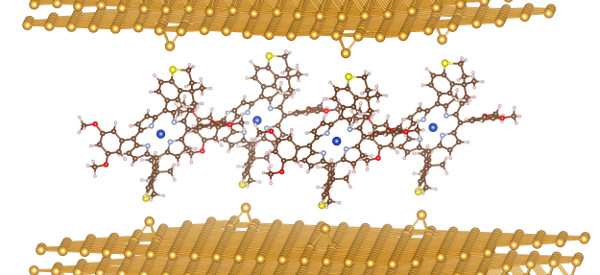
While it’s important to make sure you pack as much of a punch as possible within a small amount of space, reducing the size of transistors isn’t the only thing you can do. Along with making an effective molecular switch that has a significantly higher lifespan (one year) than its predecessors (a few hours), the researchers at Peking U. have also achieved another breakthrough: the switch can also communicate using photons rather than moving electrons. Photons travel much faster than electromagnetic waves do (up to 100 times faster), meaning that we’d be able to both cram more transistors into small spaces and give each of those tiny buggers a speed boost the likes of which Gordon Moore could only have ever dreamed of.
Why This Tiny Hardware Is Challenging
As with anything that we deal with on the atomic or molecular level, things can get very unstable. For example, electromagnetic fields have a strong tendency to cause the atomic structures of metals and other conductive materials to shift ever so slightly. Such a shift can be interpreted as a signal. Microscopic “grains” of material at the atomic level could also cause transistors to function improperly. The Peking U. researchers have managed so far to create a switch that could activate and deactivate over one hundred times, with a durability of one year. While this is a wonderful achievement as it stands, I doubt many people would be thrilled to have a computer with the lifespan of a cancer-prone hamster. The first real challenge is in isolating the micro-electronic environment in such a way that it can run for more than a decade.
Even if a viable, highly durable molecular switch is finally built by someone, getting this into a streamlined manufacturing process presents a whole new challenge on its own. For the foreseeable future, integrated circuits are the go-to method for internal hardware communication. Getting this bulky system to function with molecular switches is near-impossible. To add insult to injury, measuring things inside the tiny gaps between molecules (which you need to do to read the data stored inside) requires highly-specialized environments that need lots of energy to maintain.
The Takeaway
The endeavor of having switches the size of some of the smallest molecules mankind can manipulate is very tempting and holds lots of promise. That is, if manufacturers can get through hurdles such as requiring cryogenic temperatures to read data, getting rid of the gap in connectivity between molecules and caveman-level electromagnetic circuits, and somehow mitigating the tiny lifespan of this technology when put to the test in the real world. If they can jump through these hoops, then yes, molecular switch technology is certainly going to create a revolution that will completely render current integrated circuits and silicon-based chips obsolete.
When do you think we will be able to overcome all of these challenges? Tell us in a comment!