
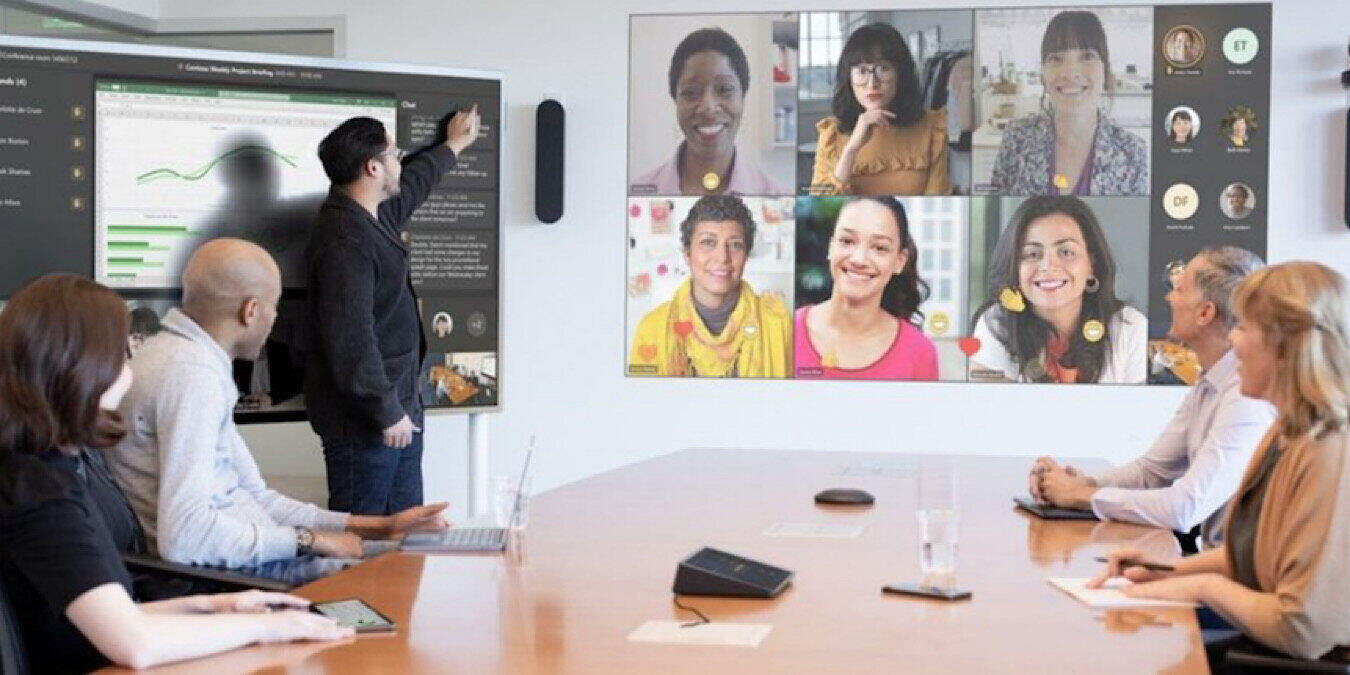

Now that much of our business is conducted through videoconferencing, we could use a few ways to spice it up. Thankfully, Microsoft understands that, as it continues its plans to make video conferencing less boring and more useful. Sources say the next change will be integrating Casual Games into Microsoft Teams. After all, Solitaire could improve anything.
Also read: How to Turn Your Raspberry Pi into a Video Conferencing Station
Games in Teams Meetings
Videoconferencing has been a big part of conducting business for quite some time. But the pandemic caused us all to use Microsoft Teams, Skype, Zoom, etc., in ways we hadn’t imagined. These are now tools we use for work, at home, and even at school.
The increased competition between the video conferencing platforms is causing them to make changes to be more enticing. Let’s face it: it can be boring to sit through meeting after meeting, staring at your colleagues on your computer.
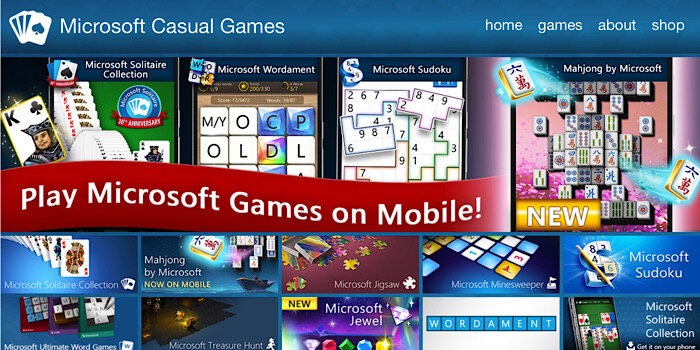
Sources have said that Microsoft is testing a way to deal with the tedium: games inside the Teams platform. Games are being tested inside the Microsoft Teams platform. Maybe you won’t need to hide that you’re playing Solitaire anymore.
The plan is for colleagues to play games with each other during a meeting, though that seems a little counterproductive. But perhaps playing Connect 4 with your co-worker will allow you to connect in other ways as well.
Don’t get too excited, though, as you won’t be playing the hottest new games in your Microsoft Teams meetings. You won’t need to bring your favorite controller. The games that are reportedly being tested are Microsoft’s Casual Games: Solitaire, Connect 4, Wordament, Soduku, Treasure Hunt, etc.
Casual Games aren’t the first to be played in Teams, as there are already games that can be played to help with the team-building experience. Casual games will bring even more fun, which, again, seems counterproductive. But realizing Teams is used in other ways than work, it would for sure add fun to the family chats.
Other Changes to Teams
Games aren’t event the only change Microsoft Teams has implemented or trialed. There have been continual changes since the start of the pandemic.

The first change Microsoft implemented in Teams was “Together Mode.” The option allows you to have a live avatar of yourself to interact with your colleagues – or their avatars. It’s a great option for people who don’t want to give up their pajamas while working from home.
Along with that, there is also a dynamic view. Colleagues can share documents with each other as if they were physically handing notes to each other, and you can just as easily share videos.
Together Mode was pushed even more with plans to enhance the virtual space even more with 3D avatars by adding in mixed reality and Holo Lens. If you use the raise hand option in a meeting, your avatar will raise its hand.
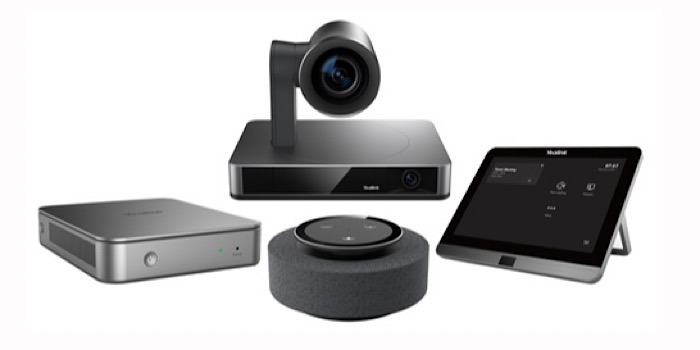
Microsoft is even working with smart camera manufacturers, such as Jabra, Neat, and Yealink. These will be able to track who is speaking, create multiple video streams, and recognize a user’s face.
There are also plans to integrate Microsoft Teams into Apple CarPlay so that you can participate in a video chat on your drive home. However, the plan is for only the audio to be used and to work hands-free with Siri to keep you safe while driving.
The changes that have been made to Microsoft Teams, and those to come, like perhaps games, appear to be permanent. Even though workers have gone back to the office, many are working hybrid. Hackers have figured that out too, as Teams meetings are being targeted with malware. Maybe they want to play Solitaire too
Image credit: Microsoft