
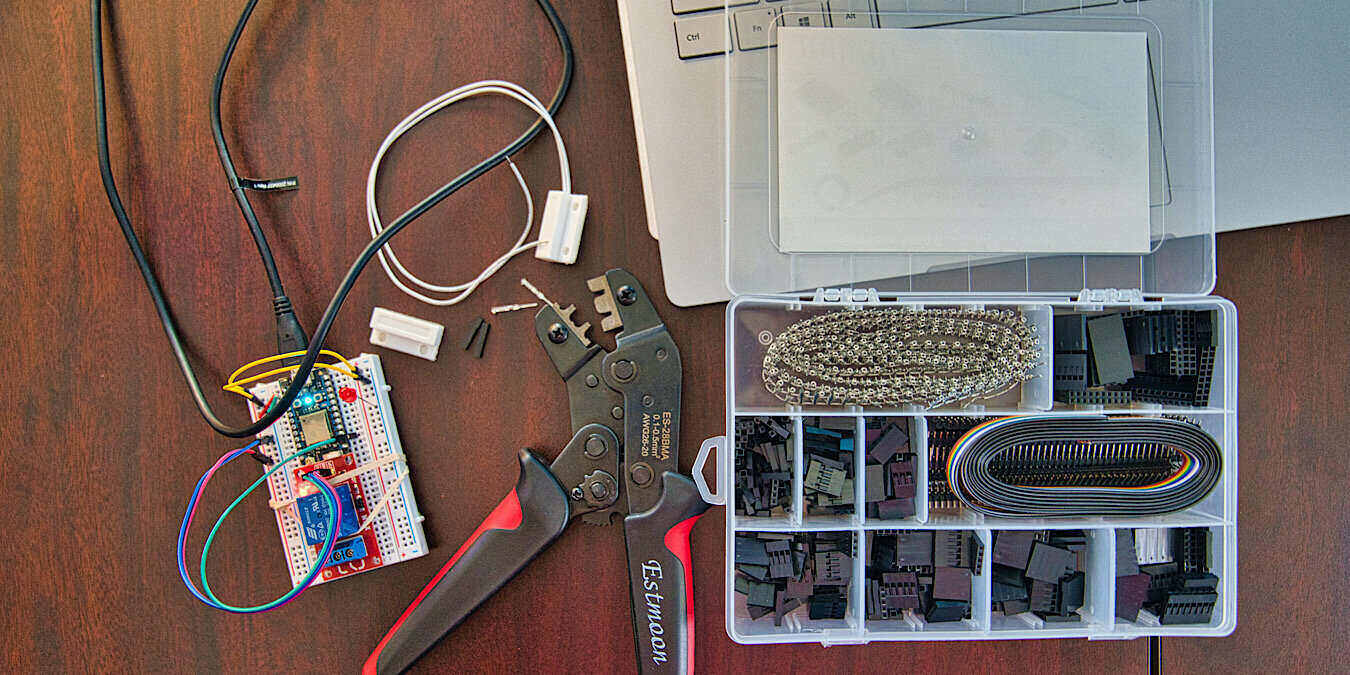

Right ‘ to Repair took another step in the right direction. While Apple announced in November that it is going to start the Self Service Repair program, longtime nemesis Microsoft is going to work with iFixit to make repair kits available to certain repair centers to fix Surface devices. Both companies are making these changes to open up more to the right-to-repair push expectations.
Also read: Apple Launches Self Service Repair Program for Users
iFixit Announces Partnership with Microsoft
iFixit announced in a blog post that it would be creating repair kits and making them available to iFixit Pro independent repairers, Microsoft Authorized Service Providers, Microsoft Experience Centers, and Microsoft Commercial customers. These would be for the sole purpose of servicing Surface devices.
“Microsoft has taken a big step toward making repair accessible to their customers, and their timing is perfect as Right to Repair gains momentum across the U.S.,” explained iFixit CEO Kyle Wiens. “Having OEM tools available will give repair technicians the ability to help their customers keep their devices alive for longer.”
The toolkit is designed by Microsoft and manufactured by iFixit to allow repair centers to deal with the adhesive that bonds select Surface models. iFixit admitted that “working with adhesive is one of the most challenging aspects of repairing the Surface line.” It’s a detail that needs to be handled precisely to not damage delicate components. The iFixit toolkit is designed to prevent damage, specifically at repair centers that handle a high volume of repairs.
Inside the iFixit Toolkit
The Surface Display Bonding Frame works with weights to press the screen onto the Surface device. It’s included in the toolkit along with a 12″ x 12″ x 3/8″ piece of foam for the device to sit on while it’s being repaired. The frame is available in two sizes to fit Microsoft Surface Pro 7+, Microsoft Surface Pro 8, and Microsoft Surface Pro X.
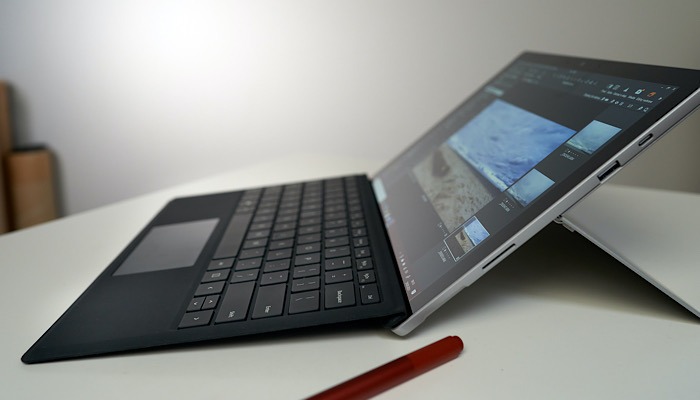
Also in the repair kit is the Surface Battery Cover. This is placed on top of the device when it’s opened up to ensure there is no contact with the motherboard or other sensitive components. It’s designed for use with the Microsoft Surface Laptop, Surface Laptop Go, Surface Laptop SE, and Surface Laptop Studio.
Another special piece in the toolkit is the Surface Display Debonding Tool. This is used to remove the screen assembly from the Surface so that the opening pick won’t be inserted too far and damage the device. It’s designed specifically for the Microsoft Pro 7+, Microsoft Surface Pro 8, and Microsoft Surface Pro X.
To obtain the toolkit, repair professionals need to agree to the “Repair Technician’s Creed.”
Following Apple’s Lead
Again, the Microsoft-iFixit alliance to offer the Surface repair kits to repair professionals comes on the heels of Apple going a step further to offer a Self Service Repair program to those who own an iPhone 12 or iPhone 13. The program will launch in 2022 and expand to M1 Macs later in the year.
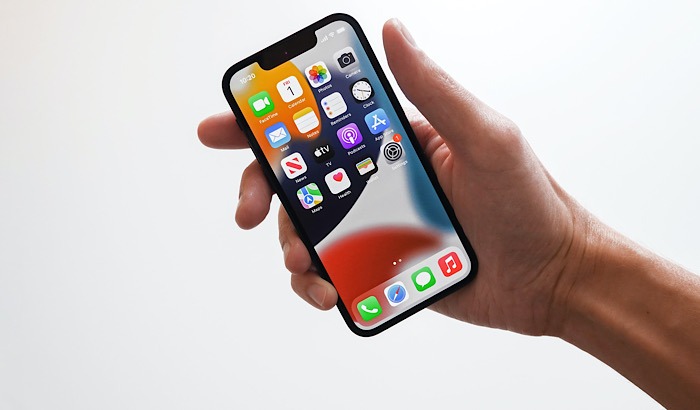
While Apple is taking the idea a step further by opening the program to users rather than repair professionals, it’s completing a larger leap after previously invalidating user warranties for self repair.
All of it comes on the heels of the “Right to Repair” push by lawmakers. This legislation would force tech companies, such as Apple and Microsoft, to allow users the option of self repair.
What does the repair competition mean to consumers? It can only lead to more freedom to repair your device the way you want to – whether you repair it yourself or take it back to the store or a third-party repair center.
If you’ve always wished you could repair your own devices, the option is closer than ever..