
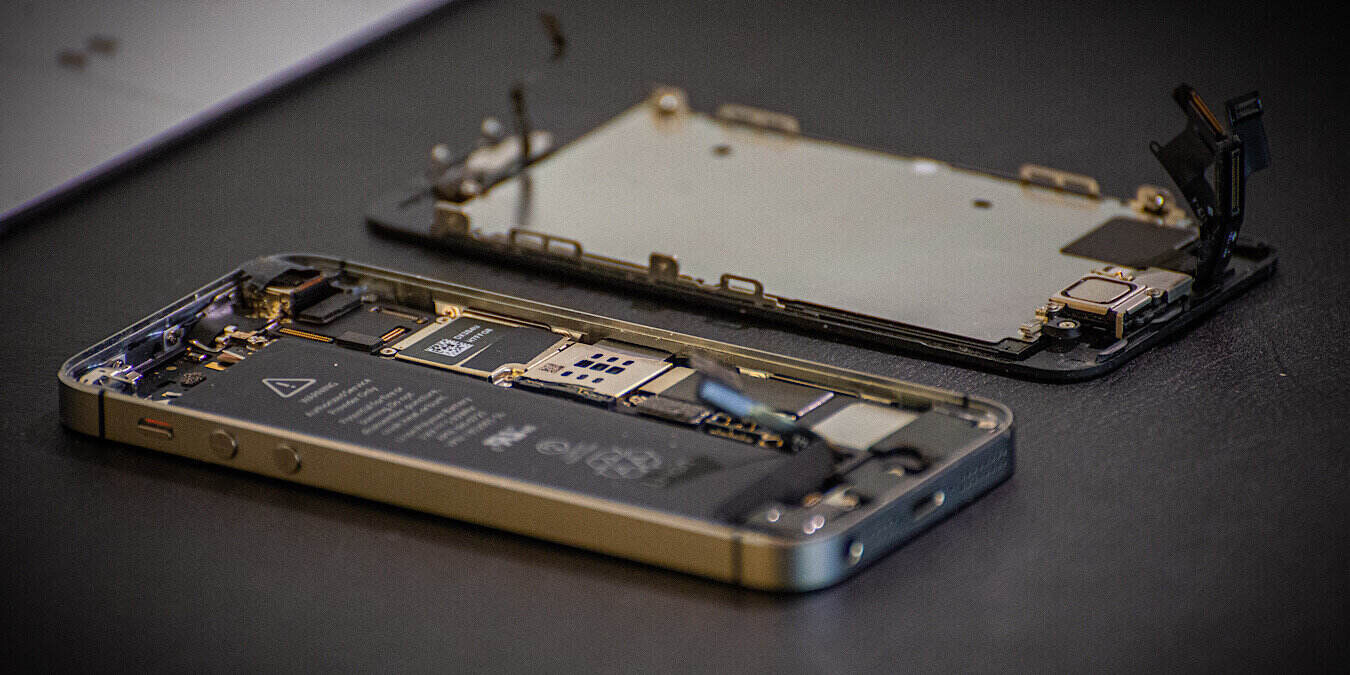

It was a little surprising to see this news released by Apple: the Cupertino tech company will be shipping repair kits to customers so that they can do their own repairs. Apple will launch “Self Service Repair” early next year.
Apple Makes Surprise Announcement
The iPhone 12 and iPhone 13 will be the first Apple devices included in the Self Service Repair program. This will begin in early 2022 in the United States and will expand to other countries and Mac computers with M1 chips throughout the year.
For a company that operates completely “in-house,” it’s quite a surprise. For years it has had the policy that if you opened your device yourself, you would invalidate the warranty.

I bought one of the first iMacs in 1999. I wanted to add more memory but didn’t want to pay to have Apple install it before it shipped. I followed an online guide to do it on my own and could never get it back together again the right way. Two days old, and I had to open the CD tray with a butter knife every time after that. Lesson learned.
But Apple started coming around. While repair services were only available through Apple stores and Apple Authorized Service Providers, Apple launched the Independent Repair Provider program a few years ago, allowing service centers to use genuine Apple parts, tools, and training.
Yet, it also designed iPhones so that if a user went to a small authorized pop-up shop to have their screen fixed, an obtrusive message would pop up on the screen.
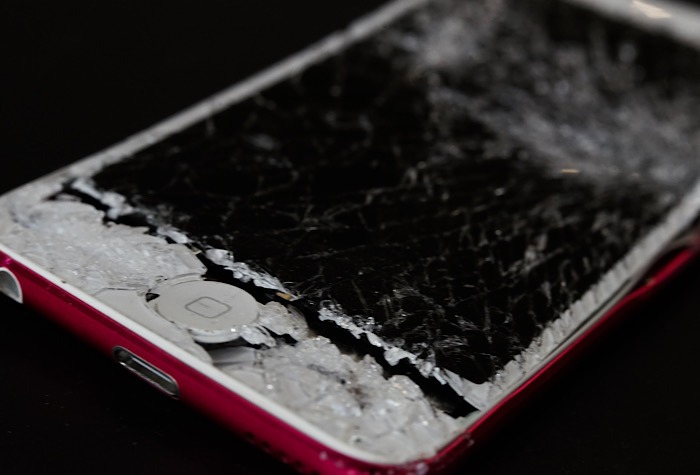
All of this changes in 2022. “Creating greater access to Apple genuine parts gives our customers even more choice if a repair is needed,” said Apple’s chief operating officer Jeff Williams. “In the past three years, Apple has nearly doubled the number of service locations with access to Apple genuine parts, tools, and training, and now we’re providing an option for those who wish to complete their own repairs.”
The company also claimed it “builds durable products designed to endure the rigors of everyday use,” implying that Apple products shouldn’t need much repair anyway.
How Self Service Repair Will Work
What Self Service Repair will do is give Apple users more options. If their device needs repair, they can take it to an Apple store, ship it to Apple, take it to an Apple Authorized Service Provider or Independent Repair Provider, or repair it on their own if they “are capable of performing repairs themselves.”
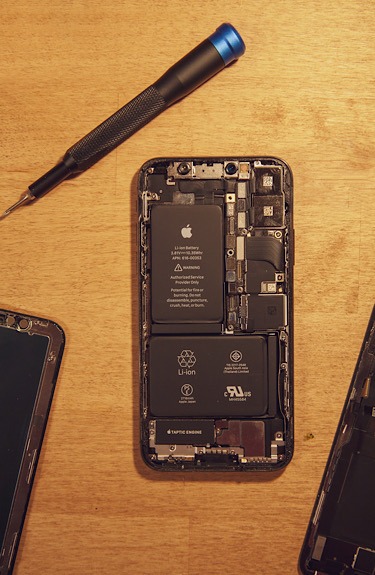
To ensure a user is capable of doing the repair on their own, they will have to first read a Service Manual, assumably online. They will then place an order through the Apple Self Service Repair Online Store for the tools and parts needed to complete the repair. They’ll get credit toward their purchase if they return the used parts and tools for recycling.
More than 200 parts and tools will be available at the start for common iPhone 12 and 13 repairs.
Was Apple Pushed into This Program?
It’s obvious this isn’t a move that Apple relished making. It said in its announcement that “Self Service Repair is intended for individual technicians with the knowledge and experience to repair electronic devices. For the vast majority of customers, visiting a professional repair provider with certified technicians who use genuine Apple parts is the safest and most reliable way to get a repair.”
This seems a bit contradictory to the announcement.
But this is also a time when Apple must have been feeling the pressure of multiple lawmakers pushing “Right to Repair” legislation. This would force tech companies to allow users the option to repair devices themselves.
Apple closed its Self Service Repair announcement by stating, “By designing products for durability, longevity, and increased repairability, customers enjoy a long-lasting product that holds this value for years. Apple also offers years of software updates to introduce new features and functionality.”
Learn how to save money on repairs with a warranty check.