

No matter who you ask, Meta’s moderation system doesn’t always work well. It either doesn’t censor enough or censors too much. Mark Zuckerberg is now adopting a new moderation system similar to X’s, formerly Twitter – so in other words, it will permanently not censor much.
No More Fact Checking on Meta
In a desire to better embrace free speech, Zuckerberg announced new Meta moderation policies. The main change is no more fact checking, at least as it is right now. Previously, Meta worked with trusted fact-checkers to remove false content to make Meta platforms more trustworthy.
Zuckerberg cited a changing social and political landscape for the changes. He wants to start “restoring free expression” on Facebook and Instagram. This includes getting rid of many of the changes that helped users reduce how much political content they saw in their feeds.
Part of the reason for the shift is the current system was making too many mistakes. However, Zuckerberg made it clear that certain types of content will still not be tolerated, such as terrorism, drugs, and child exploitation. The automated moderation system will focus solely on “high severity violations,” versus trying to moderate everything.
Moderation Is The Community’s Responsibility
The new Meta moderation policies don’t mean fact checking is gone for good. Instead, Zuckerberg wants to adopt a system similar to X’s. Musk implemented Community Notes to allow users to add more context to posts that may be misleading. Instead of removing posts, a note appears with the post to let readers know something may not be completely true.
Of course, Meta users are still encouraged to report any posts that violate Meta’s terms. For instance, if the automated system misses a post discussing potential terrorism, users can report it and have Meta review it and take it down.
The goal is to avoid taking down so many innocent posts that were caught in Meta’s filters. Yes, that’s going to mean you’ll likely see more controversial content, but with a focus on less censorship and more freedom of speech, this is expected.
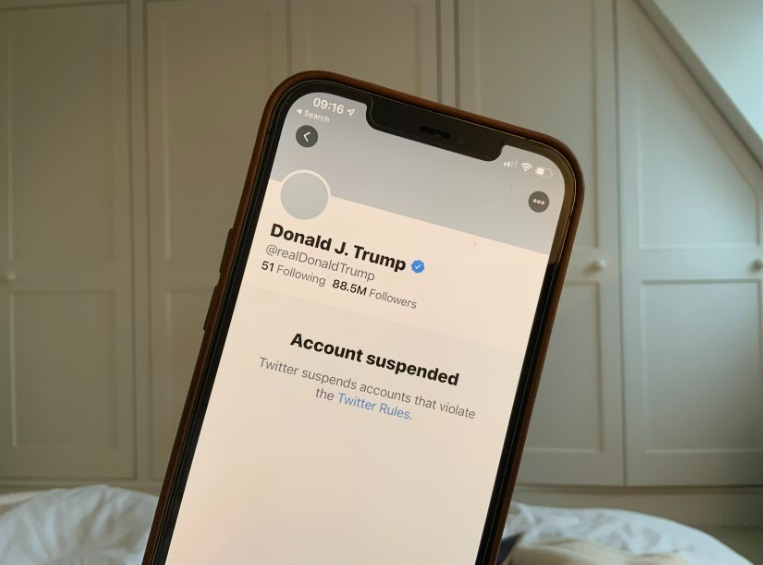
It’s not surprising that this change comes just before President-elect Donald Trump takes office later this month. Meta even donated to Trump’s inaugural fund. Since Meta has been highly criticized for its filters favoring Democrats over Republicans, Zuckerberg is making changes that fit more in line with Trump’s views on censorship and social media, especially after he was banned from Twitter at one point. This also means no longer limiting political and other civic content on Meta platforms.
These changes will affect Facebook, Instagram, and Threads. Depending on the type of content you typically see in your feed, you may not notice anything. But for others, you may start seeing far more political and even controversial topics popping up. Just remember, you’re always free to block anything you don’t like to better control your feed.
Zuckerberg is likely hoping these changes will keep more users on Meta’s platforms. The company even recently created its own AI search engine. Of course, if you don’t like the changes, you can delete your account or try a new social network.
Image credit: Unsplash