
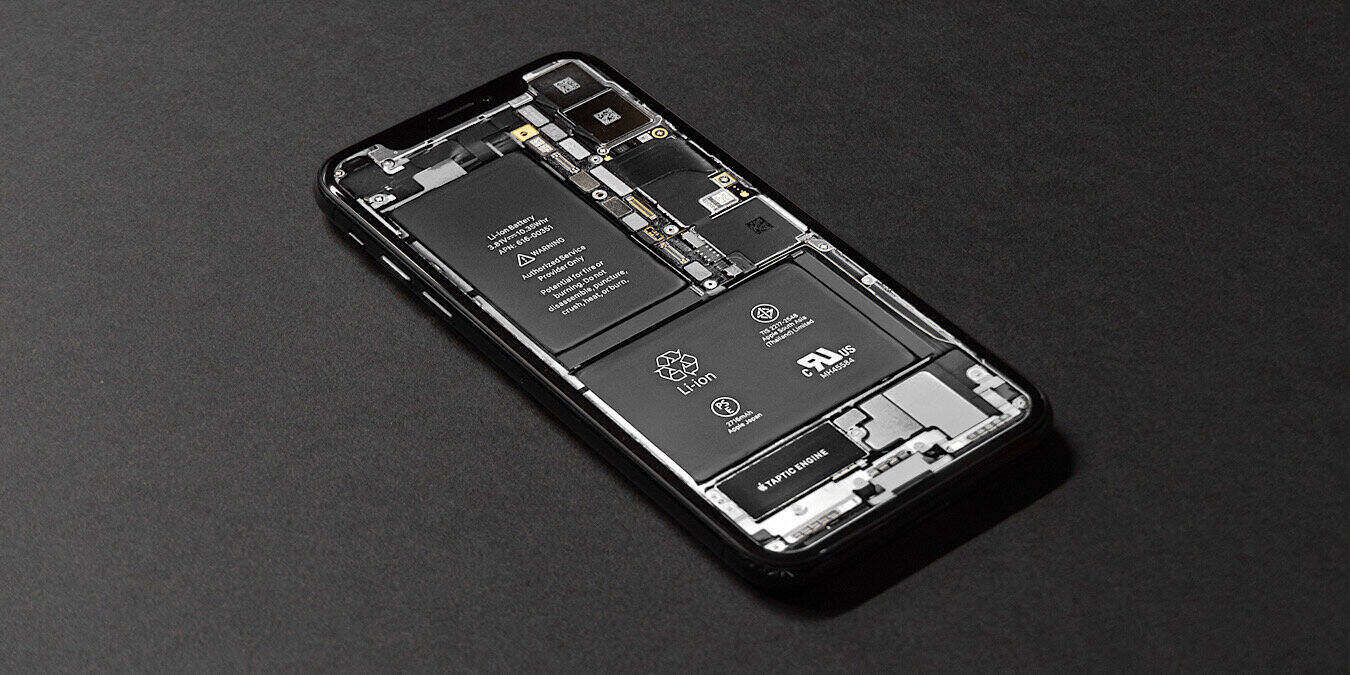

There isn’t any one of us who hasn’t been irritated by the lithium-ion batteries in their devices not lasting long enough. It’s so frustrating to buy new devices simply because the battery life has become too short. Scientists have recognized this and developed a new material that will extend the life span and make batteries last longer.
The Issues with Lithium-Ion Batteries
New phones and other devices always have batteries in the beginning that seem like they’ll last forever. But over time, they just last fewer and fewer hours. It causes you to carry a charger around with you everywhere. Some devices have replaceable batteries; some don’t. Do you replace them or just toss the device? Or do you just live with it?
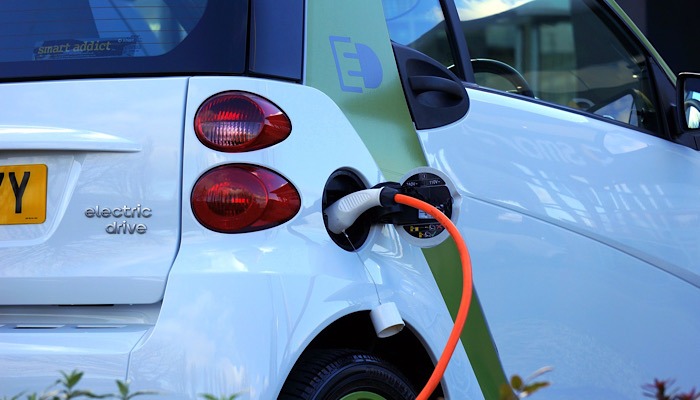
Because many people just choose to replace their devices, it’s led to a pollution problem. On a larger scale, battery life is a problem with electric vehicles too, and no one wants to have battery issues with a car.
Graphic anodes, the negative terminals on batteries, are behind the quick degradation. The anodes work with the cathodes (positive terminals) and the electrolytes (carries the charge between the terminals) to create the situation for the electromagnetic reactions for charging and discharging. If the graphite didn’t have a binder, it would fall apart. Poly (PVDF) is the most widely used binder in today’s batteries. Yet, it’s not the most ideal material to use for this purpose.
Scientists Develop New Binder
Scientists at the Japan Advanced Institute of Science and Technology (JAIST) have developed a new copolymer binder material that will make batteries last
longer. This new binder material is made from a bis-imino-acenaphthenequinone-paraphenylene (BP) copolymer.
This research was published in ACS Applied Energy Materials. Professor Noriyoshi Matsumi led the research, with Professor Tatsuo Kaneko, Senior Lecturer Rajashekar Badam, PhD student Agman Gupta, and former postdoctoral fellow Aniruddha Nag involved as well.
How does this new material make batteries last longer? The copolymer binder has better mechanical stability and adheres better to the anode. The “π-π interactions” between the bis-imino-acenaphthenequinone groups and graphite are partially responsible for this. The copolymer’s ligands adhere better to the copper current collectors as well.
The copolymer is also more conductive than the poly and creates a thinner conductive solid electrolyte interface that doesn’t face as much resistance. Degradation is also prevented by the copolymer not reacting easily with the electrolytes.
All of this creates an environment for better performance. “Whereas a half-cell using PVDF as a binder exhibited only 65 percent of its original capacity after about 500 charge-discharge cycles, the half-cell using the BP copolymer as a binder showed a capacity retention of 95 percent after over 1700 such cycles,” explained Prof. Matsumi.
There is also a measure that compares how much charge is flowing through a cell during a cycle. The new material again proved to be more efficient. Images taken during testing snowed tiny cracks on the copolymers, whereas the poly showed large cracks. This was after less than a third of the total number of cycles.
The Future of Lithium-Ion Batteries
The hope, of course, after this study is that it will lead to the creation of longer-lasting lithium-ion batteries. It would certainly solve some environmental issues as well as save consumers much money, not to mention headaches.
“The realization of durable batteries will help in the development of more reliable products for long-term use. This will encourage consumers to purchase more expensive battery-based assets, like electric vehicles, which will be used for many years,” said Prof. Tatsumi.
The professor also pointed out that such improved batteries would lead to great things in the medical community as well, specifically batteries for artificial organs and implanted devices, such as defibrillators and pacemakers.
For the rest of us, it would mean after a few years, our smartphones would still be retaining the charge, and we wouldn’t be so anxious to replace them. Until then, read this guide on how to make batteries last longer.