
Long Reads

Longer explainers,
fewer dead ends.

Deeper how-tos, history, and tech explainers from the Make Tech Easier editorial team. Pieces here get extra research and review.

Tech Explained

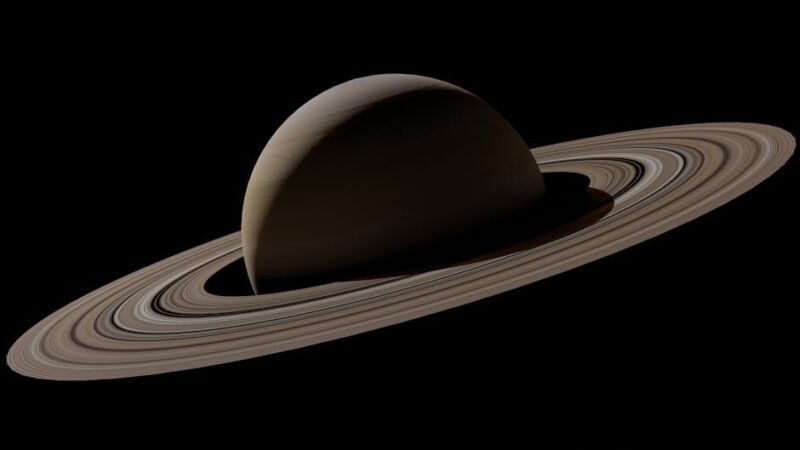
On 15 September 2017, NASA engineers deliberately steered the Cassini spacecraft into Saturn's atmosphere at 70,000 miles per hour, not because the mission had failed but because they were terrified of where it might fall if they left it in orbit.

On 15 September 2017, Cassini stopped talking. The spacecraft had spent its final minutes plunging into Saturn's upper atmosphere at roughly 70,000 miles per hour, firing its thrusters at full strength to keep its antenna pointed at Earth while the gas giant tore it apart.

Tech Explained

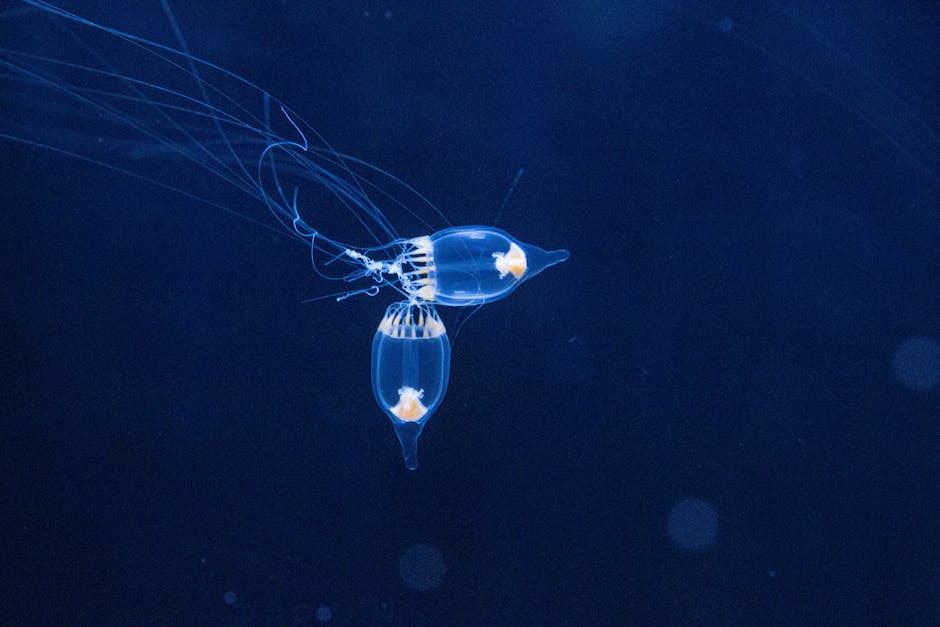
At Kyoto University's Seto Marine Biological Laboratory on the Shirahama coast, biologist Shin Kubota has watched the same Turritopsis dohrnii jellyfish die and un-die so many times in his tank that he has started writing karaoke songs about an animal that, for all practical purposes, just refuses to stay dead.

Shin Kubota keeps a tank of Turritopsis dohrnii in his lab at Kyoto University's Seto Marine Biological Laboratory, on the…

Tech Explained

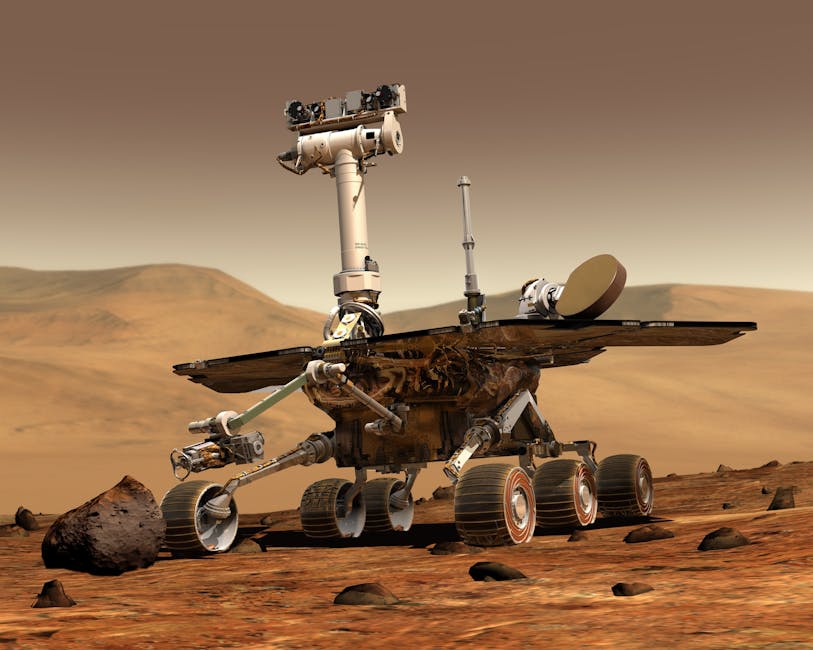
In 2022, NASA engineers in Pasadena watched a new image come down from Perseverance and saw a small heap of broken rocks resting on the Martian surface in a pattern that looked almost intentional, and the explanation they eventually offered involved a vanished river that has not flowed in three billion years.

Perseverance landed in Jezero Crater on February 18, 2021, in a basin that scientists believe held a lake roughly 3.5 billion…