


Tax time is always stressful – you sit down at your computer and just want to get it done! It makes it easy to just take the first easy, cheap method you find when Googling. This is behind the agreement between Intuit and multiple states for Intuit to pay $141M to TurboTax customers who were deceived by advertisements promising “free.”
Also read: The Best All-In-One CRM Software for Freelancers and Creatives
“Free, Free, Free
All 50 states and the District of Columbia came together to agree that Intuit should repay customers who paid a fee to file their taxes with TurboTax when they could have done so for free. Additionally, Intuit will be required to suspend TurboTax’s deceptive “free, free, free” ads.
News of this agreement appeared on New York Attorney General Letitia James’s official blog. New York TurboTax customers will receive more than $5.4 million collectively.

“Intuit cheated millions of low-income Americans out of free tax filing services they were entitled to,” wrote James. “For years, Intuit misled the most vulnerable among us to make a profit.
“Today,” continued the state attorney general, “every state in the nation is holding Intuit accountable for scamming millions of taxpayers, and we’re putting millions of dollars back into the pockets of impacted Americans. This agreement should serve as a reminder to companies large and small that engaging in these deceptive marketing ploys is illegal.”
An Intuit investigation was opened by the Office of the Attorney General after it was reported that the company was deceiving potential customers. This practice lured low-income taxpayers to its paid TurboTax product rather than free services provided by the government. It’s nearly impossible to avoid these ads through the first four months of each year.
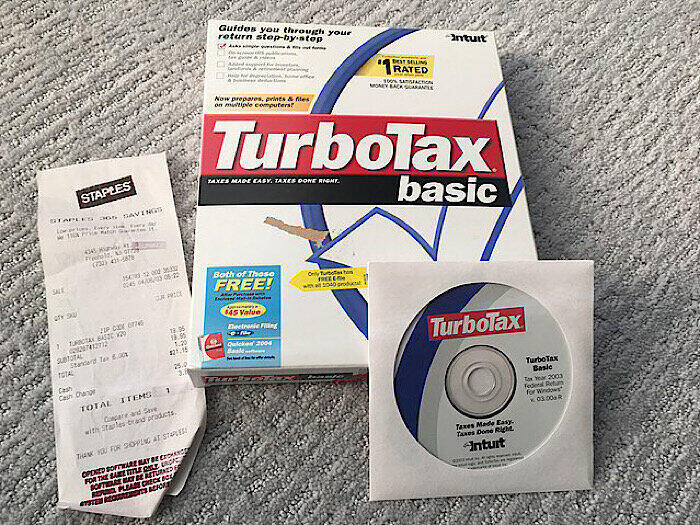
One product TurboTax offered was through a joint effort with the IRS Free File Program. This allowed people who earned a low income and members of the military to file for free. In return, the IRS agreed to not compete with Intuit and similar services by providing its own services.
But Intuit also offers the “TurboTax Free Edition” product that aids taxpayers who are eligible to file a “simple return.” This product was aggressively pushed in the online ads with the “free” selling point. Some of these ads repetitively included the word “free” in quick succession. But this product was only free for about one-third of the potential customers, while the IRS product was free to about 70 percent.
Intuit Investigation Results
The investigation determined that “Intuit engaged in several deceptive and unfair trade practices that limited consumers’ participation in the IRS Free File Program. The company used confusingly similar names for both its IRS Free File product and its commercial ‘freemium’ product. Intuit bid on paid search advertisements to direct consumers who were looking for the IRS Free File service to the TurboTax ‘freemium’ product instead.”
Additionally, the company also intentionally blocked the IRS Free File landing page on its site from search engine results during the 2019 tax filing season, “effectively shutting out eligible taxpayers from filing their taxes for free.”

TurboTax’s website also included a “Products and Pricing” page that explained it would “recommend the right solution.” Yet, the IRS Free File program was never shown or recommended, even when taxpayers were not eligible for the “freemium” product.
After the investigation, it was agreed that Intuit would pay restitution to 4.4 million of its customers from 2016 to 2018 who were encouraged to pay, even though they qualified for the free IRS program. Each taxpayer will receive about $30 for each tax year they were deceived.
In addition, Intuit is required to change its business practices with TurboTax in the following ways:
- “Refraining from making misrepresentations in connection with promoting or offering any online tax preparation products.
- “Enhancing disclosures in its advertising and marketing of free products.
- “Designing its products to better inform users whether they will be eligible to file their taxes for free.”
- “Refraining from requiring consumers to start their tax filing over if they exit one of Intuit’s paid products to use a free product instead.”
This is most likely connected to Intuit’s withdrawal from the IRS Free File program last year.
There are plenty of other scams out there outside of deceptive tax-paying software. If you think you’re being scammed, here are four things you should do immediately.