


This is somewhat of a curious move for Google. First the company acquired popular fitness band Fitbit, and now it’s adding features to its Pixel phones that will essentially do away with the need for a fitness band. Google announced that it is adding functionality to Pixel phones to read heart rate and breath rate with the phones’ cameras.
Google Adds Heart Rate and Breath Rate to Fit
It’s duly noted that this isn’t groundbreaking – there have been mobile apps for quite some time that could read heart rates. Smartwatches started adding this function a few years back, then started adding breath rate readings.
But Google likes to fashion itself as a Jack of All Trades, so now they’ll have phones with every Google function and also health monitoring. Is there a need for any other device to do these same functions?
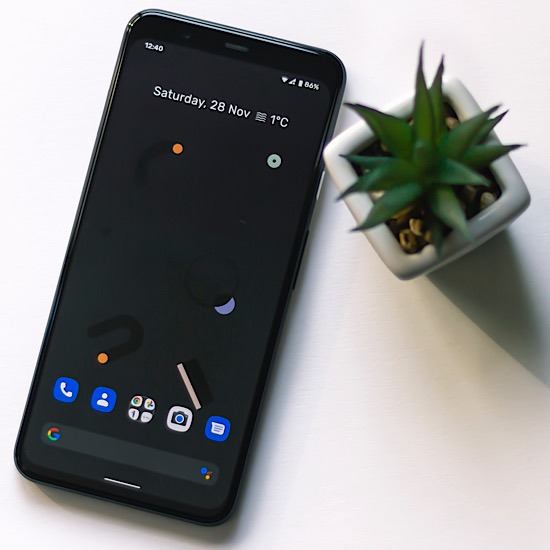
These functions will be part of a new app within Google Fit. It will ask you to take a portrait picture of yourself. While you’re doing that, it will be monitoring the rise and fall of your chest to calculate respiratory rate. You will place your finger over the camera for it to read your heart rate. This works by measuring your blood flow while watching the changing colors of your skin.
Google claims this technology is clinically validated and that it will be publishing a paper based on its research. The breath rate measurements are said to be accurate within one breath per minute. With so many issues with biometric data not working with all skin types, Google says this technology will.
Expected Availability
Initially, this functionality will only be available on Pixel phones with the latest Android version. It will expand this to other Androids once it’s assured the technology will work with other sensors. Google even has lofty dreams of seeking medical device approval from the Food and Drug Association.
Heart rate monitoring is already on the Fitbit, though it’s such a recent acquisition for Google that the company added these health functionalities on its own. Google Fit is on Android, iOS, and Wear OS, so it’s interesting to note how the company is expanding its reach with this new technology.

Google product manager Ming Jack Po says the goal is to provide this heart rate and breath rate functionality to people who only have phones and cannot afford wearables.
“I’ll use myself as an example,” said Po. “I have a Peloton bike, and I’m interested in how high my heart rate goes when I really exercise, so I might use it multiple times a day to figure out if I am really biking near my limit.”
He added that some people may only check their heart rate once a week to check their overall resting heart rate. Surely, though, he isn’t insinuating that someone who has a Peloton bike can’t afford a wearable. Someone who can’t afford a wearable is more apt to be out jogging for free in the streets.
“If you think about what doctors do, we get a measurement every six months when we show up to the office, and we base clinical decisions on that,” added Po, making the argument that having the capability on your phone will provide you with a fuller picture.

And that’s a definite advantage of collecting your heart rate and breath rate data on a device you wear or carry with you daily. It can be monitored more often and provide a better picture of your health.
It’s important to note, though, that Google, Apple, and other companies providing heart rate, breath rate, and other health tracking don’t have as complete of a picture as a doctor.
This functionality makes it far too easy to self–diagnose, and certainly, on a Google phone, that heart rate and other data is just a hop, skip, and a jump away from a Google search that could have users convinced they have some fatal disease instead of something treatable.
Knowledge is power, but too much knowledge can also be dangerous.
If you’re interested in Google’s path through health, read on to learn how Google created an algorithm that could determine heart disease from examining the eyes.