
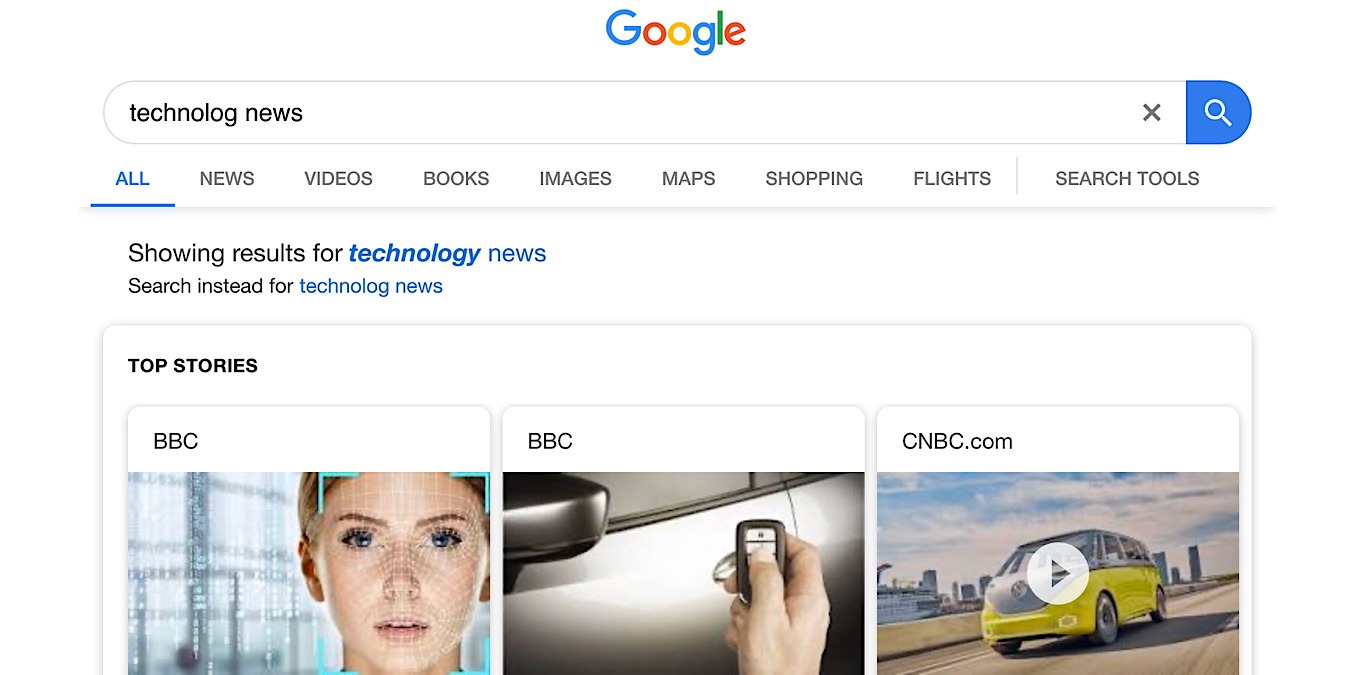

As a news writer, I am using Google constantly, looking up a variety of things, so it’s big news to mean when I hear that Google is updating its search results page and making it “smarter.”
But while the changes as mentioned sounded very big in print, the actual differences when applied are very subtle. Let’s take a look at those changes as Google describes them.
Google Search Gets Smarter
Google said in their announcement of the recent changes to search results that they make improvements “to help people better orient themselves around a topic and easily explore related ideas so they can more quickly go from having a question in mind to developing deeper understanding.”
For their new changes, they’re applying machine learning to the top stories in Google Search to make it easier for people to find timely news articles that are the most useful to them.
They explain that if you’re looking for news on a particularly timely topic, you’ll see a carousel of articles at the top of the search results that highlights the most relevant news. But now when there are multiple stories related to your search, Google will also organize the results by story so it’s easier to see what’s most relevant to you.
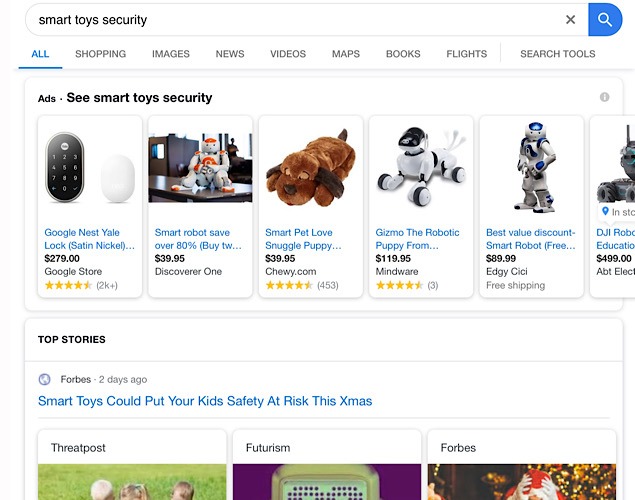
They believe this will lead to more “high-quality content” rather than just the most recent, as well as “more diverse sources to bring more context and perspective to the day’s news.”
They provide an example of searching for “NASA news” and finding results grouped under the news stories of “NASA adds Dve companies to moon bid” and “NASA detects water vapor on Jupiter’s moon Europa,” with additional results listed under “Also in the news.” I wasn’t able to find the organization with many topics I googled, so again, it’s subtle.
Google explains they developed a “new story-understanding technology to map the people, places, and things involved in a news story, and then draw connections between them.” That allows them to group the articles by sub-topics and machine learning allows them to “determine where one story ends and another begins.”
Google is also including quotes and related opinion articles in the top stories carousel, with the thought that the “different content types provide people a more well-rounded view of a news story to help them decide which angle to explore more deeply.”
Starting Only on Mobile Devices
These changes are in effect now, but only on mobile devices and only in English in the United States. Again, they’re subtle changes, and they’ll certainly help at some point, but it’s not a huge noticeable difference. It just seems to be something that will help at some point.
Have you noticed these changes in Google search? Do you think the organization will help you a great deal? Let us know in the comments if the changes seem helpful to you.