

It’s time for us to realize that tracking our whereabouts online is big business in the tech world. Facebook and Apple have been arguing for months about Apple’s plan to notify users of which apps are keeping data on them. Now Google is announcing a change to third-party cookies – it plans to replace them with “Flocks.”
How Google Uses Third-Party Cookies
Before we look at the change Google is instituting, we need to discuss its current system with third-party cookies. These are different than first-party cookies, but all record information about you. First-party cookies are recorded to keep you logged into a website so that you won’t need to provide your username and password each time you visit – the app remembers you.
Periodically, you may need to reset your first-person cookies. This forces you to have to log back in to all those sites. There is also a notification on these sites warning that it’s keeping cookies on you. You are often asked to accept that.
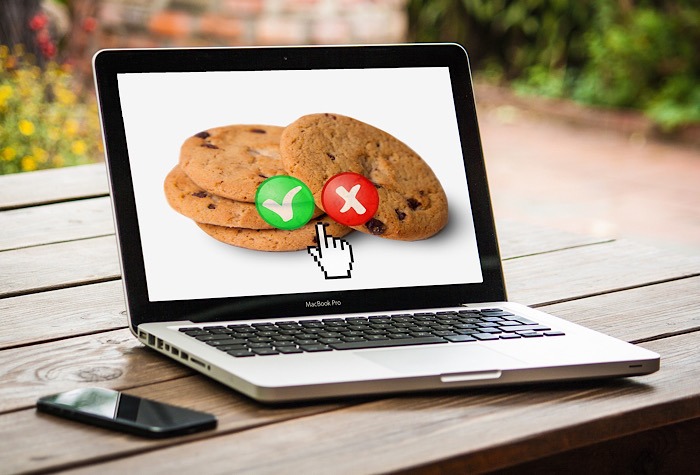
Third-party cookies are different. Ad networks keep data on which sites you visit and what you do there. These are used to decide which ads to show you.
It’s all business. This is how websites make money, by you clicking on the ads it shows you. It’s all that matters. They don’t care so much what you’re doing as what your browsing habits are. The digital ad business is huge for the larger companies like Facebook and Google.
More than eighty percent of Google’s business is from selling ads. Overall, it’s 30 percent of the total digital ad market. Its business depends on finding a way to sell ads. If companies like Apple want to control which other companies make money off you, Google needs to get back in there somehow.
Google’s Change to Flocks
This week Google announced a test it will be running in the second quarter of 2021. It refers to the change as Federated Learning of Cohorts – FLoC or Flocks. It says it’s been “encouraged by what we’ve observed and the value that this solution offers to users, publishers, and advertisers.”
Apple’s Safari browser already blocks third-party cookies and has since last year. Other browsers, such as Brave, have made it their business to block the third-party cookies business. This leaves Google needing to come up with a plan for its Chrome browser. It’s doubly involved – while it has a browser, it also needs to sell ads for other areas of its business.

“By creating simulations based on the principles defined in Chrome FLoC proposal, Google’s ads teams have tested this privacy-first alternative to third-party cookies,” said Chetna Bindra, product manager for trust and privacy at Google, in a statement.
“Results indicate that when it comes to generating interest-based audiences, FLoC can provide an effective replacement signal for third-party cookies.”
Flocks work by selling you ads based not on your usage – but yours and others like you. It assigns a group identifier to you and others with common interests as you.
While cookies track you to know your gender, approximate age, whether you own or rent, who you live with, and what you’ve been Googling lately, Flocks lump you in with others in your gender, age range, home status, location, and family status.
There are still arguments against this. Stereotyping is involved with certain demographics. And sites don’t need to track you at all to provide you with ads. It can provide any ads – they don’t need to be targeted. But sites want to provide ads you will click on so they can make ad dollars.
Google wants to say the Internet business thrives on digital advertising and needs such tracking info. However, it’s more important to Google than others, as its ecosystem is so involved, between Chrome, YouTube, the search engine, etc.
Other Obstacles for Google
By Google not using cookies and switching to Flocks, it isn’t just affecting its business – it will be preventing its competitors from accessing the cookie info as well. Google is being helped up and down the board, no matter what they are presenting.
The U.K. is planning on investigating Google’s plans with Flocks, as there is concern of it being anti-competitive. It will still make money off search ads while denying others a right to that data when using Flocks.
That’s the benefit in the digital world for the big tech companies – Apple, Google, Facebook, and Amazon. They have their hands in everything. They aren’t as affected by changes as much as they may portend to be.
Facebook and Apple will both continue to make money, no matter their argument, just as Google will, whether using cookies or Flocks. Its upcoming test may be examining how much money it can make with Flocks rather than whether this will be detrimental to its business model.
Read on to learn about a rumor that Apple is developing its own search engine, which would, of course, make a dent in the money Google is earning off Mac and iOS customers.