


The past year hasn’t been easy on websites, thanks to Google’s constantly changing algorithms, mostly within the past few months. One site that isn’t losing traffic is Reddit, as Google Search seems to be prioritizing it.
Difficult Year for Websites
It’s been difficult for websites, and it seems to only get worse. Websites, including the site where you’re reading this article, have watched their views steadily fall, then take a deep dive. It’s both frustrating and maddening to try to keep up.
A quick search of SEMRush shows that traffic on Reddit has gone from 174 million visits per day to 671 million. Why is that? Reddit is now appearing at the top of many Google searches. Again, this is a site that didn’t need the help, but it appears it has received help while taking away traffic from sites that didn’t need help before, but definitely do now.
Google has always worked and reworked its search algorithm, but at some point you have to ask what the desired result is. They definitely aren’t doing this to help websites, and it doesn’t always seem to be benefitting the general public, leaving the likely reason that it is benefitting Google in some way.
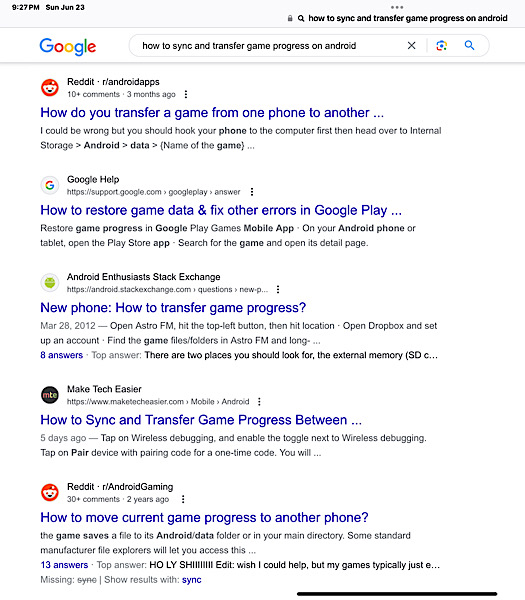

Additionally, Google has introduced AI Overview. This feature summarizes content, with no need for anyone to go searching for the answer. It doesn’t apply every time – just to certain search requests. No websites need to be opened. That means no one is clicking ads, either. But of course, Google still shows its ads.
In both of these changes, Google left many websites high and dry. They’re off the front page or left out of the equation altogether.
Tip: get even more from Reddit with these Chrome extensions.
But Reddit’s Traffic Is Up
And now it’s become even more interesting. Reddit, a website that needs no help in finding traffic, has been helped either directly or indirectly by Google’s changes. It’s been widely reported that Reddit traffic is up.
One reason this could have happened is that, when Google updated its algorithm recently, it was after the Google AI used Reddit posts for the training. Reddit made $60 million in the process. If you’re an executive at Reddit, it’s great news. You’re swimming in money, and now the new search algorithm seems to be prioritizing your site. Google denies that the $60 million deal had anything to do with Reddit’s huge jump in traffic.

Another reason for the jump is that some people searching for answers are adding “reddit” to the end of their search string. This filters out all other sites but quickly leaves them with answers and opinions on their query. It makes sense, but it’s also limiting and perhaps not revealing true answers, as you can’t necessarily trust everything on an opinion site.
And Reddit isn’t the only site with a jump in traffic. Quora, another well-known question and answer site, has also seen a jump in traffic. But again, experts aren’t always providing answers on Quora. So while you may get quick answers, they may not be correct.
Is this a change that the public as a whole wants? Do we want Google to knock down its searches to aggregated answers and large opinion and Q&A sites, as that’s what’s going to happen. Websites will not be able to sustain themselves once they lose all their traffic to the much, much larger opinion and Q&A sites. And no one will be able to start new sites. It will be far too risky.
If you’ve had enough of Reddit at this point, learn how to delete your Reddit account.
Image credit: Canva. Screenshot by Laura Tucker.