

One of the great things about Gmail is that you can access it on any mail system. But that will be ending, as Google has announced that in three months, it is ending less secure access to Gmail in Google Workspace accounts, meaning some services and apps will no longer have access.
Google’s Gmail Announcement
For so long, Gmail has been the easier email to use amongst mail apps. It worked out for Google, of course, as that led to many people switching over to Gmail, or even forwarding their email to a Gmail address, all just to have easier access. But it turns out that easier access comes with a price.
Google announced it is making Gmail more secure, which could limit access for some third-party apps and services. This security enhancement is part of Google’s ongoing efforts to protect its users from potential vulnerabilities that could be exploited by malicious third-party applications or services. While this may cause inconvenience to some users who rely on these third-party integrations, the primary goal is to ensure a safer email environment.
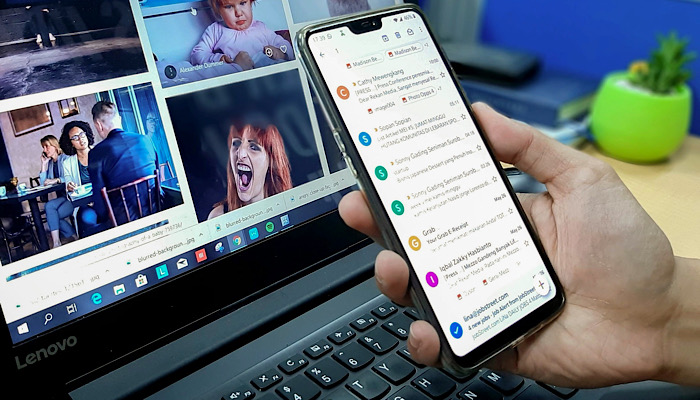
Google said in its Support post, “Starting on September 30, 2024, less secure apps, third-party apps, or devices that have you sign in with only your username and password will no longer be supported for Google Workspace accounts. … To continue to use a specific app with your Google Account, you’ll need to use a more secure type of access that doesn’t share password data.”
While the specific details of these security enhancements have not been revealed, they are likely to include more stringent access controls and oversight of third-party applications. Users may need to review and update their settings or find alternative applications that meet Google’s enhanced security standards.
Tip: do you think someone is messing with your email? Learn how to recover a hacked Gmail account.
Who Will Be Affected?
Again, this is only affecting those who are using a Google Workspace account. However, there is nothing wrong with looking for more security. So it’s entirely possible that Google will be adding it to Gmail as a whole eventually. Things sometimes happen in the tech world in stages.
If you access your email through Gmail’s web app or through the mobile app, you have no concerns at all. Assumably, Google ensures that its own email is secure.
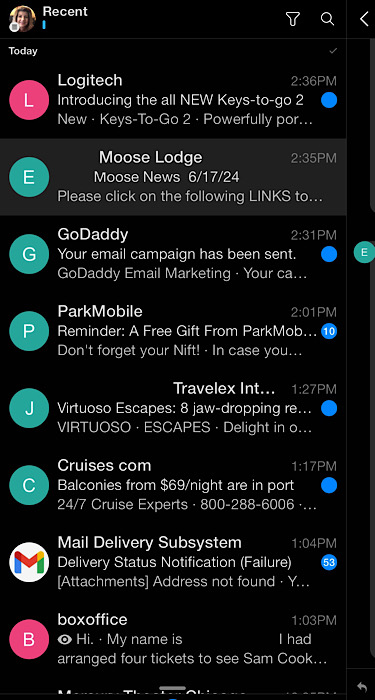
What’s at question are the third-party apps, services, and even devices that don’t require much security when they take your Google login credentials. They simply ask for your username and password, and that’s simply not enough for Google.
And before you think you’re in the clear, as you don’t use Gmail, this also applies to Google Calendar and Contact accounts. Bulk email senders have already been shut down by Gmail – since April 1, as a matter of fact.
If you try to access Gmail, your Calendar, or Contacts after September 30, with a less secure app, service, or device, you’ll get an error. It will say something like, “Invalid username or password” or “Unable to log in.”
I think the apps I use for my email asked me for authentication. I can’t remember which ones didn’t, so I will be removing all that I don’t use from my device.
Are you considering just switching to Outlook? Learn which is best in our Gmail vs. Outlook comparison.
Image credit: DALL-E. Screenshot by Laura Tucker.