

If you’re looking to track your fitness, while also enjoying some smartphone capabilities, you’re most likely looking at a Fitbit or Apple Watch. While it was reported that Google was ending the Fitbit in preference to the Pixel Watch, the company is fighting back and saying it has no plans to do so.
Report that Google Is Ending Fitbits
Google obviously wanted in on the smartwatch trend when they purchased Fitbit in 2019. The future of Fitbit has been questionable since the acquisition, though Google promised initially that it would not be putting an end to Fitbit devices.
With a claim that the Fitbit brand had been losing ground since the Google purchase, it was reported that after Google announced the Pixel Watch 3 last week, a smartwatch with many Fitbit features, that Google would be putting Fitbit out to pasture.
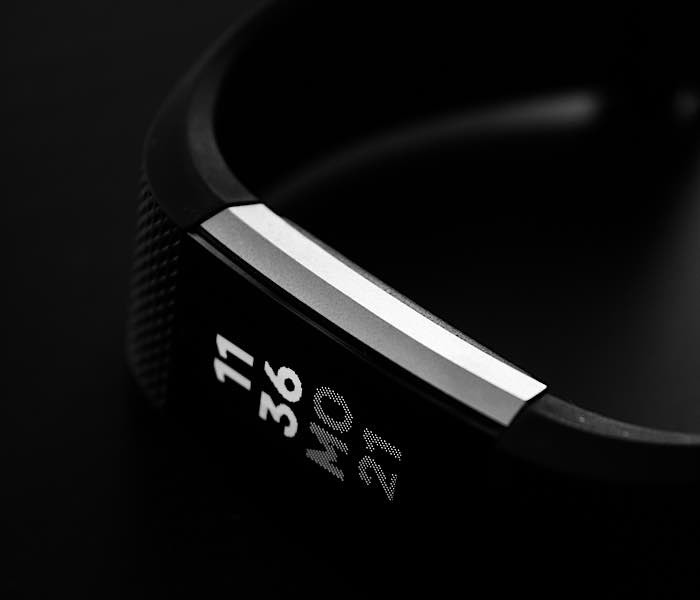
The report claimed that Google “quietly confirmed” it would not be producing Fitbit Versa or Fitbit Sense anymore. While the Inspire, Luxe, and Charge devices would continue, it was reported that the brand would be phased out.
Google finalized its acquisition of Fitbit in 2021, then in 2022, Fitbit co-founder James Park said the Fitbit would not be ending, despite the brand introducing Pixel watches. He did say that some of the Fitbit technology would move away from only being used on smartwatches and trackers.
Additionally, Fitbit announced a few months back that it would no longer be supporting the Fitbit dashboard. This requires users to check in via the mobile app. Yet, it was said last year that the brand was being updated with the addition of AI for health data insights. Of course, users can also hook into the premium plan for $10/monthly six months after purchase.
Google Clears the Air
But Google is fighting back against the report of the Fitbit’s demise. It seems to still be in love with the Fitbit brand, as it said that everything it just launched in the Google Pixel Watch 3 is “based on Fitbit technology, so it is not going anywhere.”
However, a Google spokesperson said after the article that they are “very committed to Fitbit,” and more importantly, to the customers in that base. They also reminded the faithful that they “just launched Fitbit Ace LTE,” a kids version of the smartwatch/fitness band, and promised that it would be launching new products under the Fitbit label.
While the spokesperson could not confirm specifically that there would be another Fitbit Sense or Fitbit Versa, they could confirm that it was not the end of the line for those models. This is despite the last models not having the same features that the new Pixel Watch was awarded.
So what does this mean for Fitbit owners? It’s really hard to tell. While Google is vowing commitment, they are also on the wrong end of some news stories lately that aren’t painting the company in a good light. If things continue to not go Google’s way, they’ll start cutting expenses.
Being that Fitbit has been losing money, it could easily end up on the chopping block. While Google remains committed to the brand … for now, it may not always be. It may just take the technology gained from the Fitbit acquisition and run with it. If you’re unhappy with your Fitbit smartwatch, learn how to fix these common problems.
Image credit: Unsplash