

Just under a week before the release of iOS 18, Google announced that it would be releasing Android 15 soon. While it’s not a huge change from Android 14, 15 still has some features to look forward to.
When Will We See Android 15?
When you will be able to download and use Android 15 depends on the manufacturer of your Android. To no one’s surprise, if you have a new Pixel 9 phone, you’ll be getting the update first, sometime in the coming weeks. Older Pixels will receive it next, from the Pixel 8 down to the Pixel 6. If you have a Samsung, Motorola, OnePlus, or other Android manufacturer’s phone, you’ll be seeing the update even later.
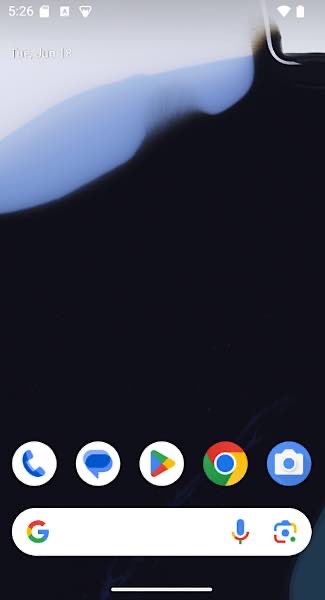
Some of the news stories are deceiving, as there are headlines stating that Android 15 dropped September 3. In truth, the Android 15 source code was released to the Android Open Source Project. This is the open-source software stack for the Android mobile operating system. It includes the core components and source code that allow developers to create custom versions of Android. Google maintains AOSP and releases the source code for each new version of Android.
Changes to Android 15
If you’re looking to be really wowed by the Android 15 update, you will be disappointed. There aren’t any dramatic changes from Android 14 to Android 15. Yet, there are some features that you can look forward to.
Not surprisingly, AI features into Android 15. It adds an accessibility feature for vision-impaired people. Android’s screen reader, TalkBack, will use Gemini on supported devices to make digital images more accessible with audio descriptions. Use it on your camera roll photos, a photo someone messages you or includes in social media, or online product images. You can also have Chrome web pages read aloud to you.
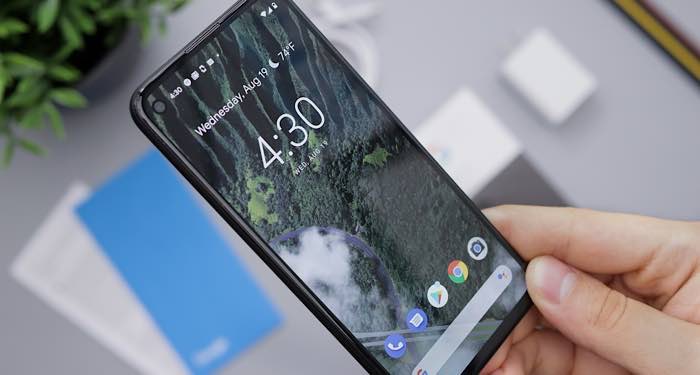
While we’ve all grown accustomed to using Shazam and similar tools to identify songs, Google’s “Circle to Search” feature can now check images as well. There’s no need to switch to a different app, as it can all be done in a matter of taps, and then you can resume your work or play. Also check out these speech-to-text apps to make dictating easier.
A unique new feature to Android 15 is the Android Earthquake Alerts System. Crowd-sourced technology to detect earthquakes provides warnings just before an earthquake starts. Tap your phone for tips on what to do next once it’s all over.
And finally, if you have a Wear OS watch, you can download a Google Map to access it through your watch. You won’t need to constantly check your phone to keep track of where you are – just check your phone. When you’re back online on your phone, you have more options.
If you’re unsure how to share your location on an Android, check out these options. If you have that covered but really want an Android smartwatch, learn about the best Android smartwatch options.
Image credit: Android