


As you’ve browsed the web, you’ve undoubtedly noticed ads strung up along the sides of webpages. These ads drive much of the wealth that powers the Internet and sometimes even fund complete websites. Many of these ads are driven by a single program, Google AdSense. This program has made countless websites and businesses a lot of money, including Google.
What Is Google AdSense?
Google administers the AdSense program as a means for publishers to distribute text, image, and video ads aimed at specific audiences. People who are browsing a blog about home improvement may be more likely to buy a new lawnmower than someone reading about celebrity gossip, so Google AdSense delivers targeted ads on the most receptive webpages. Advertisers don’t have to manually search out the best locations on the Internet to purchase ad space; they can just trust Google to do so for them.
How Does AdSense Work?
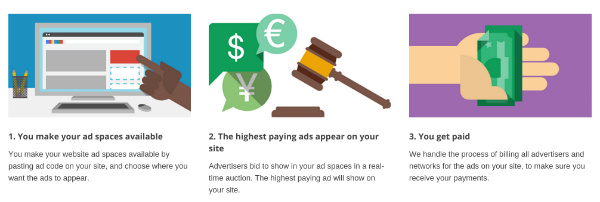
People who commit to the program insert AdSense JavaScript code provided by Google into their webpage. Whenever that page is visited, the code fetches content from Google’s servers. For contextual ads, Google searches the webpage for keywords and displays relevant text or images. For ads targeting specific sites, advertisers get to choose which pages to display their ads on. Search ads appear in search results whenever visitors search a site for content. Online games are also capable of displaying ads through the program.
Who Makes Money From AdSense?
First, Google. Publishers can buy ads on a per-click (pay Google every time someone clicks on their ad) or per-impression (pay Google based on the traffic of the page the ad is placed on) basis. In 2011, Google earned nearly 30 percent of its total revenue from this program, just under $10 billion.

But the people at Google are far from the only ones drawing money from the program. Bloggers turn to AdSense as a means of turning what could be just a hobby into a professional endeavor, as Google shares a portion of its revenue with the owners of websites hosting their ads. YouTube partners also draw their earnings via this program.
Advertisers obviously find success, which is why the program continues to exist. That said, there is no such thing as a sure thing. Many bloggers make mere pennies from the program, and some advertisers find that it’s more trouble than it’s worth.
How Do People Join The AdSense Program?
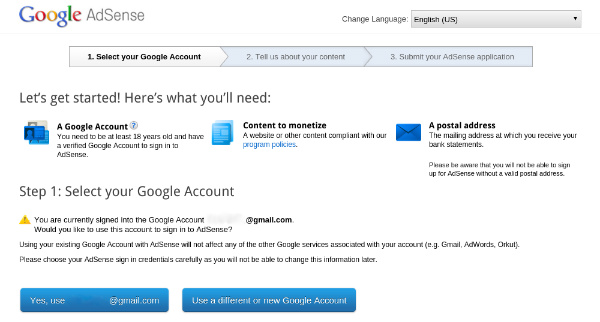
Google has a sign-up page for anyone interested in joining the AdSense program. Applicants must be at least 18 years old, have a website or content that can be monetized, and a mailing address to receive bank statements. Your AdSense account will be tied to your pre-existing Google Account unless you choose to create a new one. AdSense users will be given control over the types of ads that appear on their pages and offered metrics on how much traffic their ads are receiving. Also, signing up is free. The only cost to using AdSense is the addition of what some consider to be unsightly ads that don’t always integrate nicely into web layouts.
Final Thoughts
Google AdSense can be a decent way to make a living, and it can be a waste of time. Either way, it could take months, even years, to find out. If you’ve had experience using Google AdSense, please share your experience with others in the comments below.