
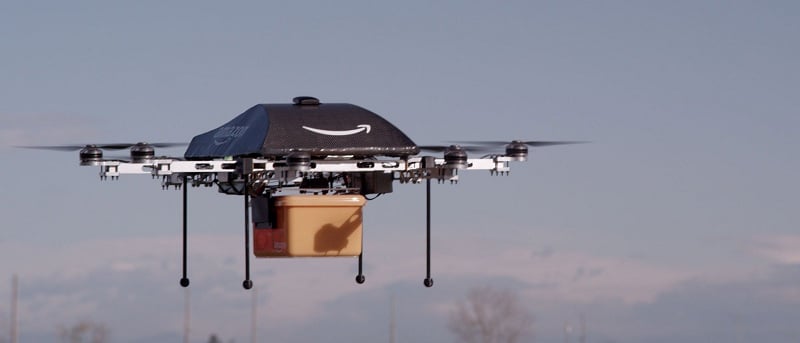

On June 5th, 2013, Domino’s UK delivered two delicious pizzas to someone using a drone. Not much later, Amazon decided to announce its plans to introduce drone deliveries for packages weighing lower than 5 pounds. Governments, competitors, and consumers all over the world now have their eyes on the prospect of drone deliveries, and what their future might hold. What are we going to see? Are there privacy implications? What countries will be the first to allow such adoptions? Why is permission even needed? As always, we’ll dive into these questions and answer them!
Why Even Use Drones?
I mean, we have cars, right?
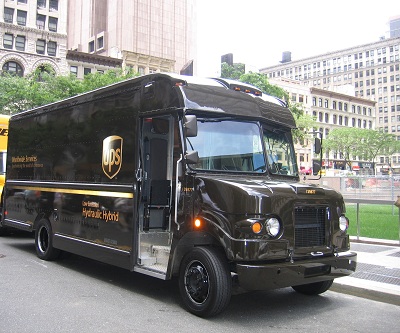
Well, it seems that the answer to this question is actually pretty easy! Have you thought about how much a company has to pay for maintaining a vehicle that’s delivering light-weight products? You have to pay for car insurance, fuel, regular oil changes, check-ups by a mechanic, tolls, taxes, inter-district road usage permits (in some countries, like Romania and others in Eastern Europe), and many other expenses that regular people may not pay for as often as you do.
With a drone, you eliminate a lot of this overhead, and end up with a very low-maintenance lightweight device that’s fuel-efficient and able to get somewhere fast by flying a direct route, as opposed to driving a winding route to get form point A to point B. With a quick dispatch of a hundred drones, you kill two birds with one stone: You offer the customer convenience, and you get to cut costs.
What Does The Future Look Like?
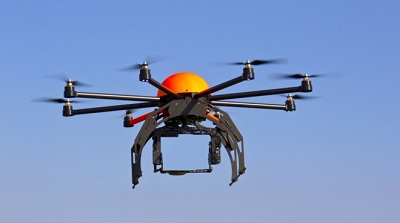
Drone technology has to advance a little bit before we see anything more impressive than the equivalent of an RC helicopter army. However, only with investment can we make that happen. This means that we must allow businesses the freedom to invest in this technology and use it extensively before we see a significant demand for higher-end delivery hardware. Eventually, we may end up with very affordable drones that fly to their destinations automatically with one remote command.
What Are The Concerns?
Before we talk about the obstacles to drone delivery, we need to discuss what concerns we may have about this new idea. First of all, there’s the worry that they could be used to clandestinely spy on you. The answer to this is “so can people in cars, and that’s actually somewhat easier to get away with.”
But there’s another concern, one which is very difficult to dismount. What if someone shoots (or hacks, or somehow brings down) the drone that is supposed to deliver your package? They can just run away with the item, no consequences. This question still remains to be answered. However, in all likelihood, companies will find a way to deal with the problem, since sending over a replacement is also costly for them. Yes, that’s the best answer I can give you for now. It’s just too early to speculate on what could solve the problem. My guess is that there would be some sort of failsafe that keeps the device flying even after it’s been damaged. As for hacking, the remote radio can shut off while cruising and dial home when it’s delivered a package. That would prevent a lot of incidents.
What Are The Roadblocks?

The primary roadblock to drone deliveries is regulation. No shooter or thief will hurt the prospect of having drones deliver our goods more than the men and women holding the pens that can make it very difficult.
What Countries Will Be First To Finish The Drone Delivery Race?
China looks like it’s hopping on the bandwagon rather quickly. Other than that, we’re seeing signs of life from the UK and the US, although both countries suffer a bit from heavy bureaucracies (with the UK, of course, seeing less of a problem with commercial delivery drones in their skies). We’ll likely see quicker adoption (if there’s demand) in Singapore and Hong Kong, two countries where the legal environment is a perfect breeding ground for awesome ideas like these to flourish.
Some Final Thoughts
My take on this is that you can’t expect drone deliveries to become a “thing” too soon. It might take until the year 2015 or even later for us to start seeing a healthy market penetration of this type of innovation. After all, there are many markets (like the smartphone market) today that were basically niche markets back in 2006.
Just keep waiting patiently and the moment will come when your packages will come in pristine condition at your doorstep, delivered by a little flying machine.