
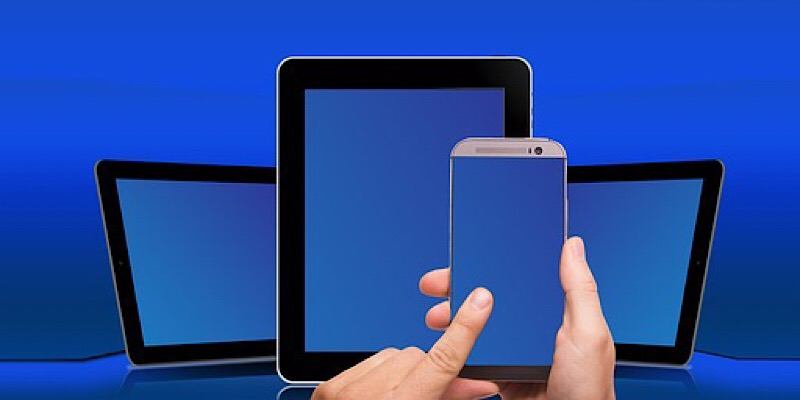

All the devices that are available to us are great: smartphones, tablets, smart watches, streaming devices, gaming systems, smart TVs, and smart speakers. But it’s a pain, isn’t it? To have to keep track of all your accounts and all of your data across all these devices? Sure, some of the accounts will keep track of where you left off across all your devices, but you still need to sign in to all of them.
But what if you didn’t need to worry about that? What if no matter what device you were on all of your information and accounts always had a way of finding you? Sounds great, doesn’t it?
It doesn’t need to be a pipe dream. There are already virtual PCs that exist solely in the cloud. You can access them anytime you want to use with any device you choose.
How It Works
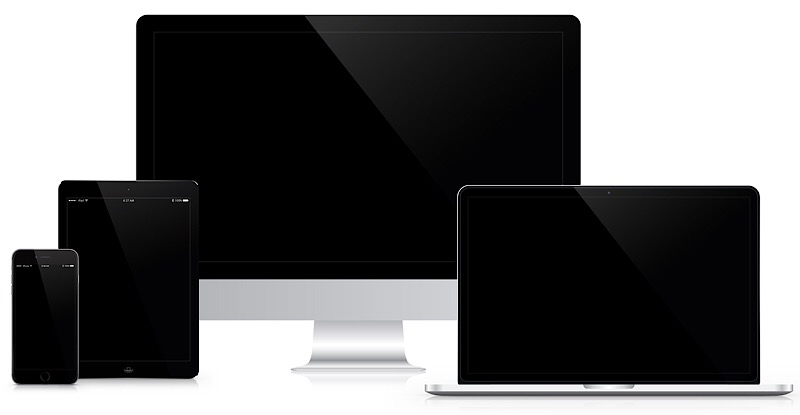
A French startup called Blade has created these virtual computers. They’re all linked to a virtual system based in a central data center.
When you access the app and log in, it creates the processing that you need to run all your apps, whether you’re on a PC, a mobile device, a gaming system, or something else. Once you log in, it sends you right back to wherever you left off on the last device you worked on.
All you need to do this is a device – any device – a screen, and a connection to the Internet. You also, of course, need to pay a subscription fee.
This system has already been in place in France for the past year, and now it’s making a move towards the United States, and it’s aiming for the gamers, believing they’ll be eager to pay the subscription fee. To be clear, it does way more than gaming, but this is just their starting point.
The suggestion is that you won’t have the types of devices that you have today. You’ll have a variety of touch screens, such as a mobile one, a larger one for when you’re sitting at a desk, and maybe even a much larger one that is attached to your wall.
Closer than You Think
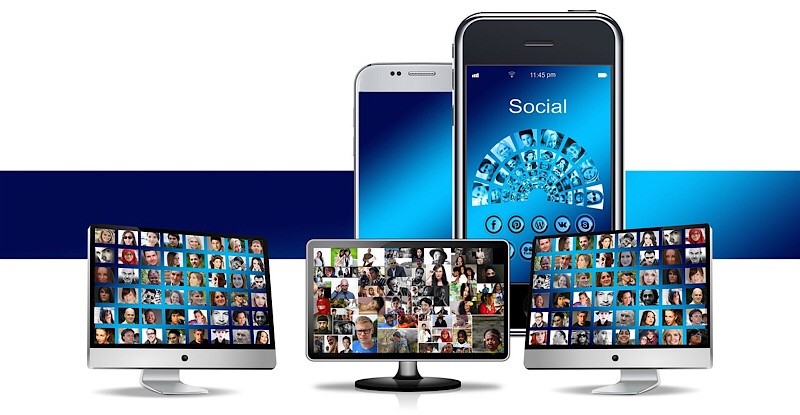
The biggest advantage to this is while you will have to pay for the subscription, $35 or $50 a month, you won’t have to continually buy new devices, as the power is a virtual power that will be upgraded on the other end. You won’t need to worry about upgrading.
Perhaps existing tech companies are already planning on this. Recently there were rumors that Apple was going to start combining their mobile and desktop software. Quite frankly, they’ve been making moves toward that for quite a while anyway.
This means this idea may be closer to your everyday computing needs than you realize. If Apple is working on it, chances are other companies are working on it as well, especially if this system has already been in place for the past year in France.
You wouldn’t need so many different devices. You would just need a few, and they would all do the same things. There would be no need to learn multiple operating systems, just one that follows you all the time with the same apps.
A Simpler Life
It’s nearly head spinning in a way, thinking of how life-changing this would be. But again, it’s not that far away. When you think about it, isn’t it something that it seems tech companies have been leading to for a while anyway? Doesn’t it seem like we’ve been leading more and more to one central system that does it all?
What do you think about all this? Is this possibility exciting for you, or does it still seem too distant to you? Are you looking forward to someday being able to enjoy a virtual PC? Let us know your thoughts in the comments section below.