
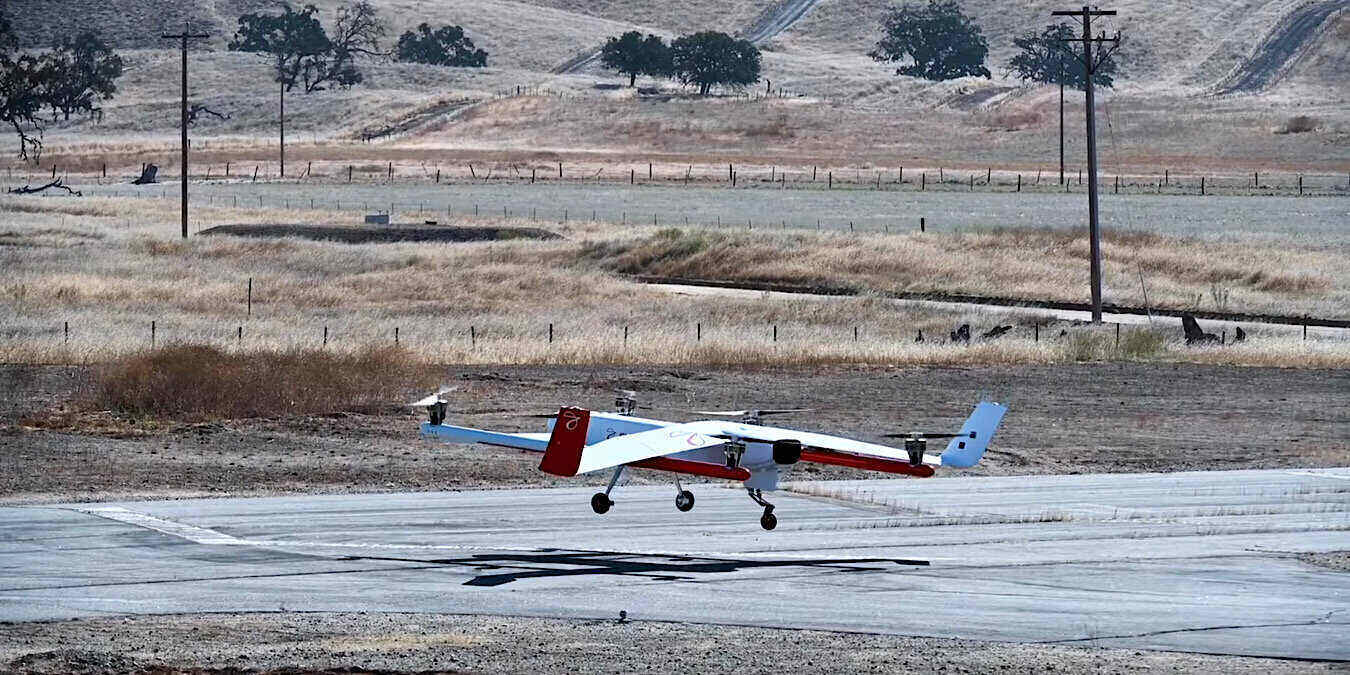

We’ve been hearing for some time about the onset of autonomous and drone deliveries, and there’s no better time than now to advance this technology. FedEx is jumping on the bandwagon, as it will soon start testing autonomous cargo delivery by air.
Also read: FTC Investigated Amazon for Deception with Prime Accounts
FedEx Working with Elroy Air
The pandemic escalated the need for autonomous and drone deliveries. Being unable to breathe the same air as others, much of the world spent much more time at home. Shopping at a brick-and-mortar store became passé.
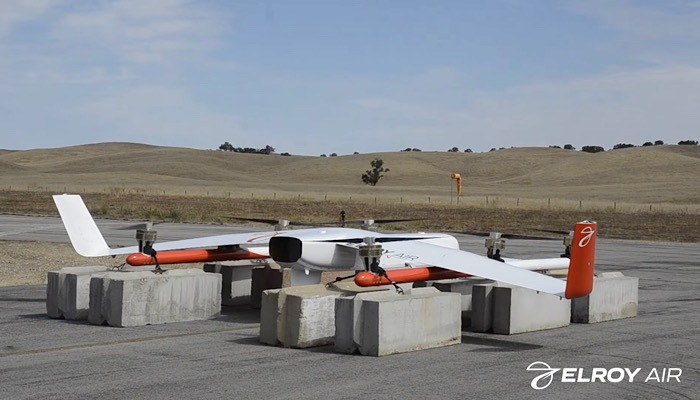
But this put much stress on the logistics industry. FedEx announced this week in a blog post that it was looking into autonomous technology to help with the demands of its delivery schedule. It has been working with Elroy Air since 2020 to develop an aircraft that would fit its needs.
“FedEx was built on innovation, and we are always looking toward new technologies to help enhance the logistics industry through improved safety, efficiency, and customer service,” explained FedEx Express executive Joe Stephens. “We look forward to continued testing and learning throughout our collaboration with Elroy Air.”
Elroy Air was founded in 2016 and is based in San Fransisco. The company has been working on what would be the first end-to-end autonomous vertical takeoff and landing (VTOL) aerial cargo system.
The product of Elroy Air’s development is the autonomous Chaparral C1 aircraft, announced earlier this year. It’s able to carry 300 to 500 pounds of cargo and deliver it as far as 300 miles. It can make those long-range flights without additional airports, charging stations, or pilots.

“We are proud to work with FedEx to build the next generation of express logistics,” stated Kofi Assante, Business Development and Strategy VP with Elroy Air. “When you’re not limited by challenging infrastructure, traffic, or airports, logistics can reach more people, faster than ever before. We look forward to working together to create a new future for how we get goods to people around the world.”
FedEx believes it can incorporate the Chaparral C1 into the shipping service, with an eye toward 2023. The company believes “continued innovation and automation will improve safety, efficiency, and productivity.”
A Push for Autonomous Land Deliveries Too
With prices of gas heading to astronomical prices, autonomous delivery could be even more alluring. This extends to “last mile deliveries,” as well as the air cargo business.
Technology news has been peppered the past few years with stories of small autonomous delivery robots in testing phases. The Domino’s Pizza chain ad Uber Eats have pushed forward with autonomous testing.
Research shows that more than 20 percent of urban pollution can be attributed to last mile delivery. Autonomous robots could alleviate some of that. They can also complete their runs during times with lower traffic concerns.

Multiple companies are engineering autonomous delivery robots to handle this demand for last mile delivery. New robots developed by Polytechnic University of Catalonia and CARNET, and partially funded by the Volkswagen group SEAT, are headed for pilot programs in Spain, Germany, and Hungary.
These robots are 5.6 feet by 38 feet by 3.8 feet and have six wheels apiece. They can travel up to 12.4 mph and can go up or down stairs up to 17.9 inches tall.
A press release noted that these autonomous delivery robots would represent “a significant reallocation of the carrier’s costs and would make the service more economical and efficient than with conventional vehicles.”
There’s still a push in the industry for autonomous cars, too, though Tesla seems to keep running into speed bumps along the way. Read on to learn about the battle over the Autopilot feature.
Featured Image Credit: YouTube