


In the 1990s, there was a growing concern – one which is still very much alive today – that using cell phones could provoke health issues due to the radio waves that they transmit. Lately, I’ve been getting comments on articles about Wi-Fi regarding the effects that using radio waves from routers could have on someone’s health. Considering the volume of messages, it’s safe to assume that this is a concern we should address in order to give these comments the reply that they deserve.
The Root of the Concern
For a long time after we discovered the uses of Uranium, we’ve considered it a benign substance. It wasn’t until we discovered several cases of cancer among people working with radioactive materials that we have found a link between the two. Fast forward into the late 20th and early 21st century, and our concerns are a bit broader. Almost anything that emits some sort of radiation is scrutinized. The sun, your microwave oven, your cell phones, and even your Wi-Fi access point all emit some level of radiation.
So, is it true? Is radiation dangerous no matter the source?
Why Wi-Fi Is Not Entirely Dangerous (And Neither Are Cell Phones)
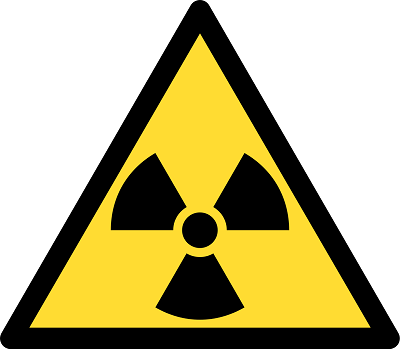
There are two types of radiation we might come across: Ionizing and non-ionizing. To explain it simply, ionizing radiation is the kind of radiation that poisons you horribly. It’s able to ionize the atoms in your body and break their bonds. This is what you see in unstable isotopes like Uranium 235. If you must wear a hazmat suit just to be around it, it’s emitting ionizing radiation. There are some forms of ionizing radiation, though, that don’t present an unambiguously excessive amount of danger, such as X-rays. While they may kill you after a decent amount of exposure, the quick flash of an X-ray while you’re at the doctor to get your bones checked won’t necessarily do anything to you that constitutes as “harmful” even if you took one every single day for a year.
The other type of radiation – non-ionizing – emits electromagnetic (EM) waves at varying wavelengths, but not enough to reach the danger level of gamma or ultraviolet rays. Everything from your computer to your Wi-Fi router emits this type of radiation. Your light bulbs, the satellite floating invisibly over your head, and all of the radio stations within range are not excluded from this spectrum. The low amount of power behind these waves and their large wavelength make them harmless to living things. Their wavelength isn’t small enough to rupture your atoms or powerful enough to emit enormous amounts of radiant heat (or, in the case of microwave ovens, an electrical arc).
Conclusion
If you’re not afraid of listening to the radio or turning on the lights at home, you shouldn’t be afraid of your Wi-Fi router or your cell phone. They all emit the same stuff, just with different properties. Despite this, don’t discount the things you should really be careful with. Microwave ovens, for example, emit EM radiation just like Wi-Fi access points do, but the waves have more punch in them (between 700 and 1000 watts of “punch”). Still, they’re shielded enough that you can stand in front of one while it’s operating as long as the door is closed.
Hopefully, this has alleviated any concern you’ve had about using Wi-Fi (even with high-power antennas). Continue to enjoy your wireless Internet without any worries!
If you feel any further concerns, please be sure to leave them in a comment below.