


If physical exercise makes your body stronger, mental exercise must make your brain stronger, right? Actually, it turns out the brain is a bit more complicated than that, and the two-billion dollar industry centered on cognitive training programs and apps may not have enough evidence behind it.
Overall, it is likely that cognitive benefits from brain training do exist, but they do not necessarily apply outside of the app. People with brain injuries may experience some improvements, but playing memory games may not help the average person find their car keys any faster.
Also read: 10 of the Best Brain-Training Apps for Android and iOS
The claims
The most common benefits touted by brain-training programs include improvements to your working memory, decision-making ability, and information processing speed. Neuroscience has legitimate ways of observing and testing the concepts that these programs claim to enhance, like executive function and working memory, so if brain training has benefits, it should be observable.
Many programs advertise that they are backed by such scientific evidence, and to some degree that is true. Brain training has been a research topic of interest for quite some time, and evidence has emerged in several studies that demonstrates legitimate improvements. Lumosity, NeuroNation, BrainHQ, LearningRx, Elevate, and many other apps have sections of their websites dedicated to displaying their scientific credentials, some of which are fairly impressive. Whether all of those studies directly support their product, or whether the studies themselves are well-conducted, is another matter – and the FTC seems to agree, having handed down several fines to Lumosity and other brain-training companies for false advertising.
The evidence

Neuroscientists have been interested in these brain-training programs since they started to become popular, and several of the platforms are actually designed by neuroscientists themselves. The body of research, however, has generally come down on the negative side.
In 2017 a group of neuroscientists tested a group of 128 healthy young adults, comparing the effects of brain-training games to either normal video games or no games at all. The brain-training group improved at the tasks they were doing in the brain-training app but scored the same as the other two groups on other measures of cognitive activity.
In 2016 another group of neuroscientists published a review of the relevant evidence and found that even including the studies most commonly cited by proponents of brain training, there was, in most cases, insufficient evidence of measurable benefits. Tasks that were closely related to the brain-training activities did tend to improve, but there was little visible evidence of skill transfer to more distantly-related tasks.
There are dozens of other studies in the same vein, all with similar findings. While there are many other studies that support the idea of brain training, and plenty of neuroscientists still endorse certain aspects of the idea, the vast majority of these studies are focused on subjects with some form of dementia, brain injury, or other existing cognitive issue. Many others are unreliable since they were not conducted independently, and some suffer from poor experimental design.
The Programs
Though there are dozens of brain-training apps, these are some of the most popular, along with what science has to say about them.
1. Lumosity
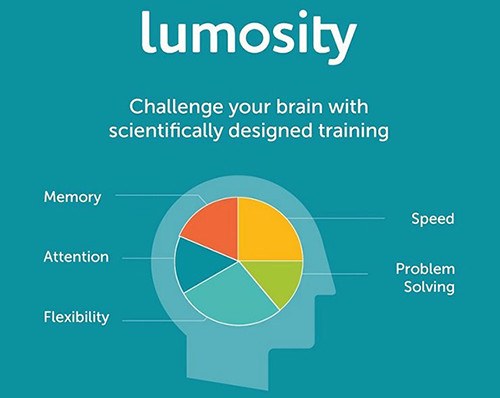
This is the most well-known cognitive training app, which means it has been fairly well-studied. The results fit the general pattern — subjects perform much better at closely-related tasks, and some of those skills might transfer, but the effects were usually not significant enough for researchers to be certain.
2. NeuroNation
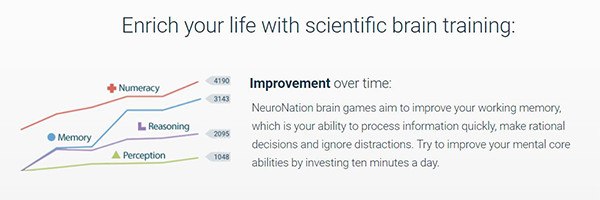
There are no conclusive studies that specifically test NeuroNation. Their website, meanwhile, while replete with claims of partnerships, ongoing research, and scientific support based on past research, provides no guarantee that their specific brand of training will work.
3. LearningRx
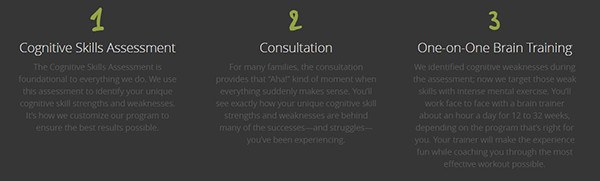
LearningRx is not a smartphone app, but rather a one-on-one brain training program. This company is actually very proactive in commissioning peer-reviewed studies on their product, but many of them come from researchers affiliated with the company. These studies tend to show strong positive results, but more independent evidence may be needed.
4. BrainHQ
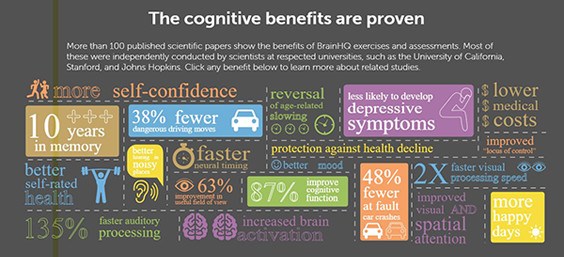
This is one of the more scientifically-substantiated programs out there – pieces of evidence in favor of it have emerged in several studies over the past few years. It’s unlikely that BrainHQ has major effects on cognition in general, but there have been several high-quality studies showing at least some effect on processing speed and memory. Their website may exaggerate the breadth and reliability of their research findings a bit, however.
5. Elevate
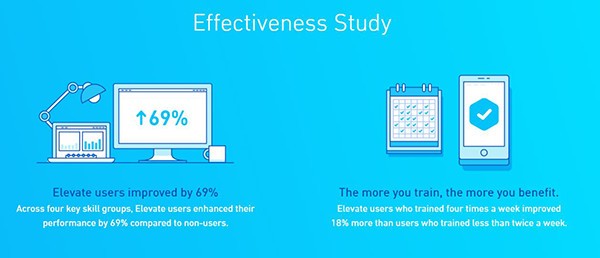
The only available evidence directly supporting Elevate’s program was a study commissioned and partially conducted by the company itself. An independent researcher and research company was involved, but the study was not peer-reviewed. In the absence of any other solid evidence, it’s most likely that the Android/iOS app won’t make you a genius.
How do I get smart, then?
Good news! You don’t need to spend any money on brain apps or obsess over getting to the next level of the memory game. It might keep you a little sharper, but if all you want to do is make sure your brain is getting a decent workout and staying plastic, you should just try to learn something new, keep your body healthy, and get some exercise. If you prefer brain games to taking a math course or learning Finnish, that’s fine. All of the above brain apps are mentally stimulating, there’s no question of that, they’re just not magic bullets.