

It’s basically become accepted wisdom that staring at screens too close to bedtime will interfere with your sleep, and this isn’t just a popular myth. There is real scientific evidence that blue light has small, but measurable, effects on many of the systems in your body and brain, from circadian rhythms to cells in your retina. It doesn’t affect everyone the same way, and it’s hardly a public health crisis, but cutting your blue light intake might be at least a little beneficial.
Why blue light, specifically?
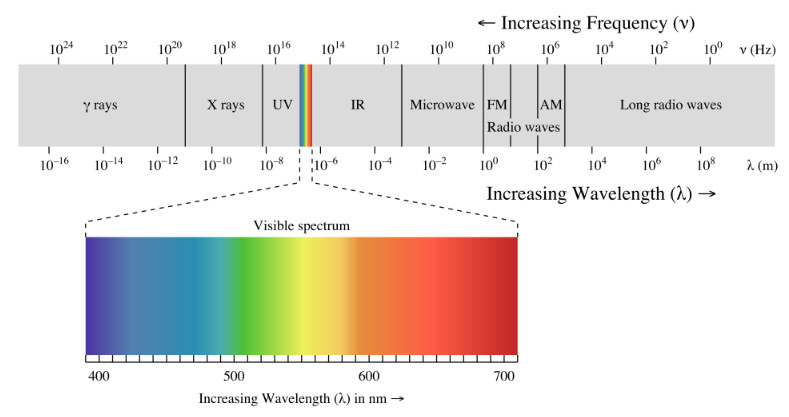
Blue light is on the high end of the energy spectrum, meaning that the photon is bouncing up and down a little bit faster than in other colors. A shorter wavelength means there is less distance between each peak of the wave (665 nanometers for red light, 470 for blue), and color is detected because these waves are bouncing directly into your retina.
Your brain processes these wavelengths and gets some signals about what to do. Any amount of light can send a “wake up!” signal, but higher energy sends the strongest message of all. Blue LEDs aren’t the highest-energy color, but because they’re in everything, we’re absorbing a lot of their light.
This is your brain on blue light
Blue light is actually good for you. Your “memory, alertness, attention span, reaction times, learning ability and cognitive performance all perform much better under blue light,” so if you need to get some work done, it might give you a little boost. The healthy relationship only turns a bit toxic if we get too much blue light or if we get too high of a dose late at night. Research has found evidence for some negative effects, but they generally aren’t too severe.
Trouble sleeping
One of the reasons that blue light especially makes you more alert is that it inhibits melatonin production in your brain, which means your brain isn’t getting the signal that says it’s time for sleep. This might make it harder for you to fall asleep and decrease the quality of the sleep you do get. Not all humans react the same way, but on average, this effect has generally been found to exist. Insufficient sleep, especially under six hours per night, can then lead to a whole other set of health issues.
A disrupted circadian rhythm
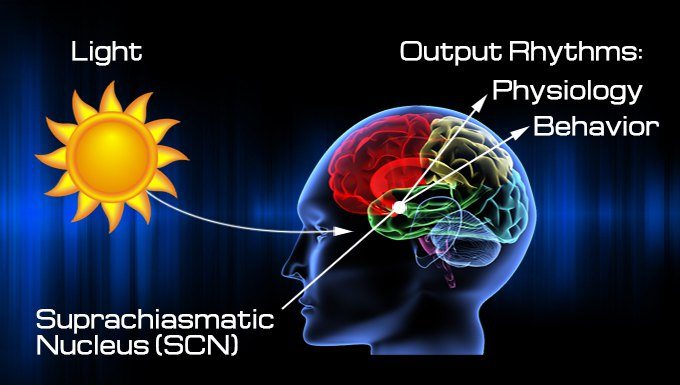
We all have a different circadian rhythm – the internal clock that keeps track of when it’s time to feel sleepy or feel more awake. Staying up later with artificial light doesn’t seem to be a huge problem for us, but blue artificial light can be more disruptive than other types, especially late at night.
A Harvard study compared the effects of 6.5 hours of exposure to blue light with the same amount of exposure to green light and found that blue light shifted circadian rhythms by an average of 3 hours, versus 1.5 hours for green light. This can make us a lot sleepier in the daytime and has even been linked to health problems, like a higher risk of diabetes.
Blue light and your body
Blue light affects your body indirectly by messing a bit with your brain, but it turns out that higher-frequency light, like blue light, may actually be somewhat damaging to your eye as well. High-energy light like ultraviolet rays can definitely damage your skin, so it’s certainly possible that intense blue light is doing something to the more sensitive photoreceptors in your eyes.
The effect has been shown in animal studies, but has yet to be confirmed in humans. Either way, it’s not cause for too much alarm just yet. At worst, it’s unlikely to do more than speed up the eyes’ natural aging process a little bit.
How to not get the blues
Since the science seems to agree that large amounts of artificial blue light aren’t good for you, it’s worth looking into solutions.
Apps
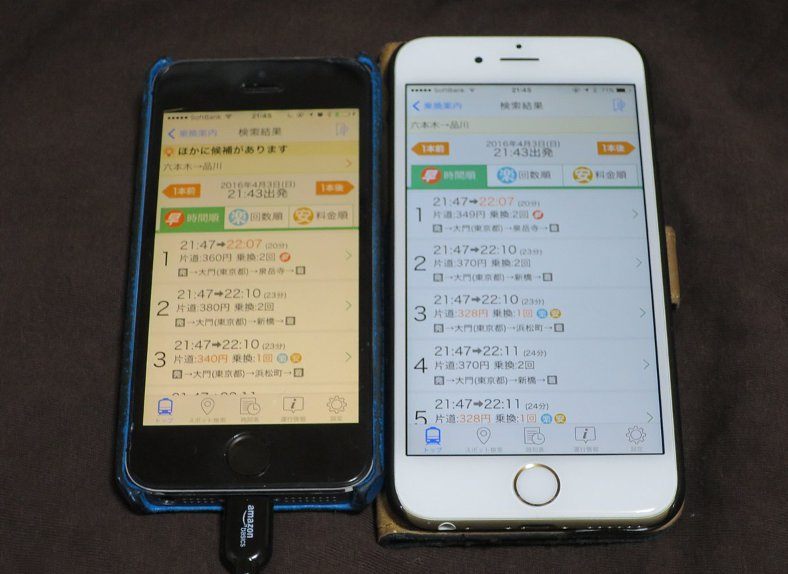
Using one of those blue-filter apps is probably the easiest way to cut your intake, but there isn’t really much evidence on their effectiveness. The automatic brightness-lowering feature may help more, as less light has definitely been shown to help with melatonin levels. Despite the lack of hard evidence, using these apps can’t hurt.
Blue light-filtering glasses
Also called “computer glasses,” these spectacles are usually tinted yellow (but you can get clear versions), which changes the wavelength of the light passing through them. They do block blue light and wearing them while using devices close to bedtime may help you reach more natural melatonin levels. Studies on their effectiveness are largely inconclusive, though.
Blue light filters for your devices
If you don’t want to start wearing glasses, you can choose to put a blue light filter directly onto your device screen. They’re mostly transparent, so your screen won’t get that reddish tint, but they work on the same principle as the glasses.
Restricting device use at night
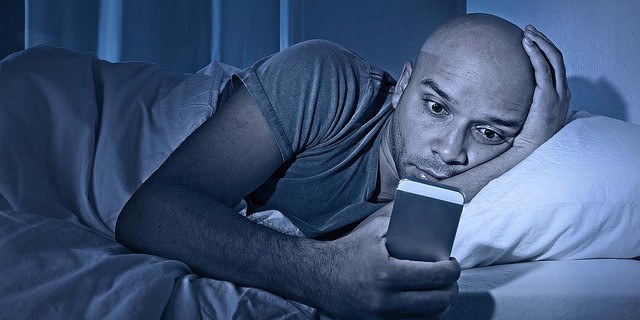
Let’s be honest, this solution is the worst. Even if you could spend most evenings without needing to use your phone or computer, would you want to? If less screen time sounds good to you, though, the general advice is to ditch the devices one-two hours before bed.
Conclusion: Don’t Panic
Blue light won’t burn out your retinas and turn you into an insomniac no matter how much you look at a screen. Some people may have stronger biological responses to it than others, but as long as you don’t get less than six hours of sleep a night, decreasing blue light probably won’t change your life. Of course, new research is always coming in, so it can’t really hurt to take some precautions if it makes you feel better.