
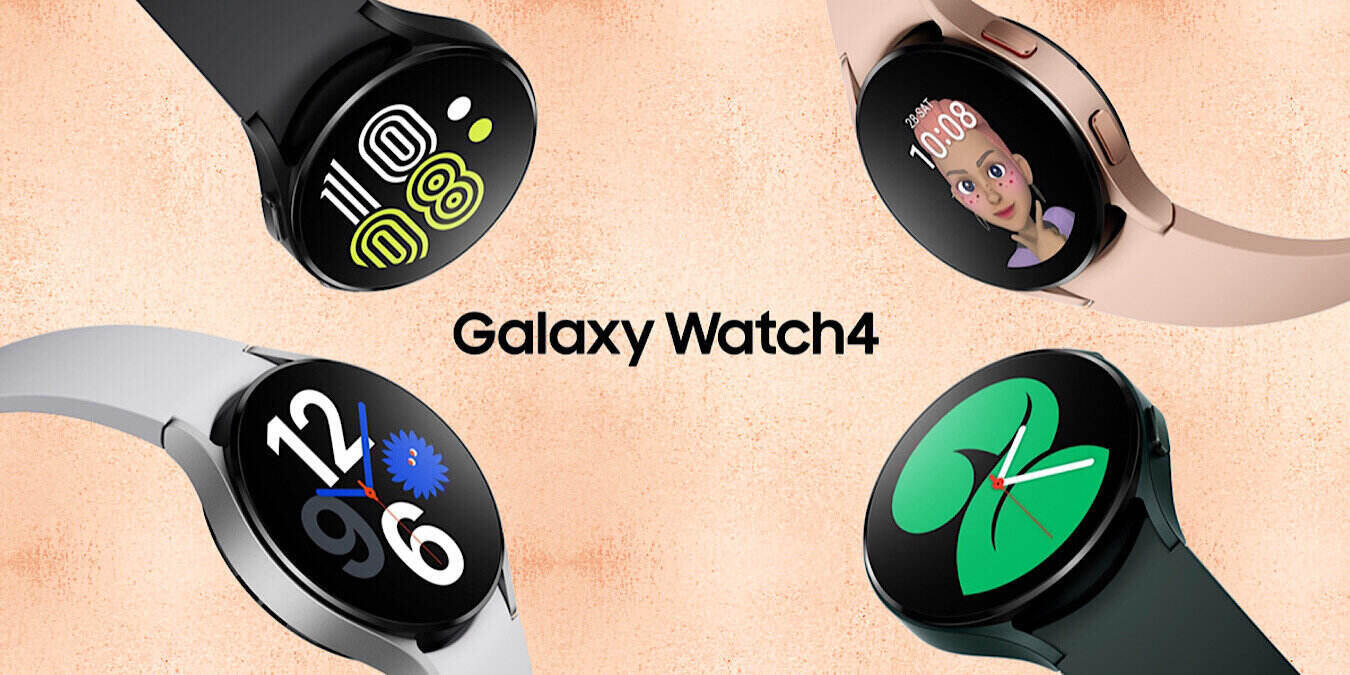
Save $90 on a Samsung Galaxy Watch 4 Smartwatch & Wireless Charger

We may earn a commission from links on this page.
Deal pricing and availability subject to change after time of publication.
Samsung Galaxy 4 Smartwatch Featured

If you’ve decided against getting an Apple Watch, perhaps because it’s a little too pricey, you may want to go for a similar option: the Samsung Galaxy Watch 4 Smartwatch that ships with a wireless charger. Connecting via Bluetooth, it’s normally around $100 cheaper than the Apple Watch, but now you can save an additional $89.99.

With just one Wireless Charger Duo, you can charge both the Galaxy Watch and a compatible device, such as a phone or set of earbuds. Both devices can charge overnight together and be ready for you by the next day. Yet, there’s a dedicated spot just for charging your watch.

Your Samsung Galaxy Watch 4 Smartwatch is your ticket to a healthier life. Why wait to make a New Year’s resolution to start getting healthy? You can do it now by setting wellness goals on your watch and getting measurements and readings as well.
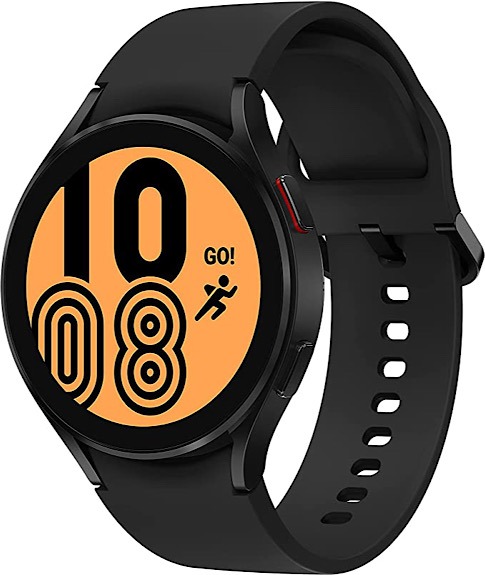
Samsung Galaxy 4 Smartwtch Watchface

It can track six popular fitness activities, i’ncluding running, rowing, and swimming. You’ll get advanced run coaching technology as well that will track your heart and lung endurance. Track your sleeping, too, with the watch. It will monitor your sleep and SpO2 levels, leading to better sleep so that you’ll wake up more recharged and ready for your day.

Along with the health benefits, you can also consider your Galaxy Watch an extension of your phone. It will allow you to do many of the same things, such as talk, stream, and text when you’re on the go. You’ll also get the convenience of Google, including some of Google’s most popular services and apps, such as Google Pay, Google Maps, Google Assistant, and YouTube Music.

Take $89.99 off the price of the 44mm smartwatch and charger in your choice of colors and pay just $249.99. Optionally, get the watch with LTE or in 40mm. You can opt to get the watch without the charger as well, but you’ll be paying the same price either way, so basically, you’re getting the Wireless Charger Duo for free!

Samsung Galaxy Watch 4 Smartwatch and Wireless Charger Duo

Make Tech Easier may earn commission on products purchased through our links, which supports the work we do for our readers.

Subscribe to our newsletter!

Our latest tutorials delivered straight to your inbox

Laura Tucker Avatar

Read next

When you tilt a smartphone, gravity shifts microscopic silicon fingers inside its accelerometer by only a few nanometres, changing the capacitance between them and producing the electrical imbalance the phone reads as a new direction for down
Content and cloud networks now account for three-quarters of used international bandwidth, while Google, Meta, Microsoft and Amazon own, co-own or buy capacity on a growing share of the 600-plus submarine cable systems carrying over 99 per cent of data between countries, a private map hidden below the wireless internet
The peak of Chimborazo in Ecuador sits about 2,072 metres closer to space than Everest’s summit — because Earth bulges at the equator, and Chimborazo stands almost directly on the bulge
Wi-Fi doesn’t actually slow down when a café gets crowded — the signal is fine, but every device has to wait its turn to speak on the same frequency, and the polite queuing is what you feel as lag
People who are truly pleasant and kind but have no close friends often spent decades being the one everyone called during a crisis — and somewhere along the way noticed almost none of those calls had reversed direction
Research suggests the feeling that time speeds up with age can be shaped by fewer temporal landmarks — the small disruptions to routine that give the brain something worth remembering
Ray-finned fishes evolved bioluminescence at least 27 chemistry and others by housing luminous bacteria, a repeated evolutionary experiment spread across deep-sea, inshore and reef lineages using different molecular machinery to make visible light
The Sun is actually white — the yellow we see is Earth’s atmosphere scattering the shorter blue wavelengths away before the light reaches our eyes, which is also why sunsets turn red