

How to Create QR Codes From The Context Menu In Your Browser

QR codes are becoming increasingly popular these days. With these QR Codes, you can easily encode links, images, text etc. which can be shared with anyone who has a Smartphone or a device capable of scanning them. In this article, we will show you how you can quickly create QR codes directly from your browser’s context menu.

How to Create QR Codes in Firefox

QR Coder is a very handy add-on for Mozilla Firefox that allows users to convert links, images and text selection to QR codes with a single click. Once the QR code is generated, you can save it to your computer and share them with anyone you want.

Go to Firefox Add-ons Repository and install QR Coder. You should see a new option in the context menu. All you have to do is right-click on the element you want to share and select “Encode URL to QR Code”.
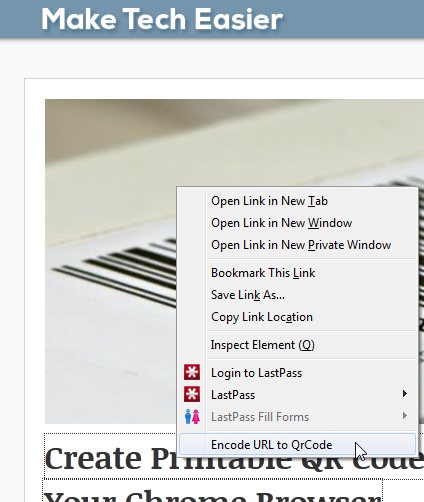
create-qr-codes-encode-link

You will also find a QR code icon in the address bar. Click this icon to convert the web page you are browsing to QR Code.
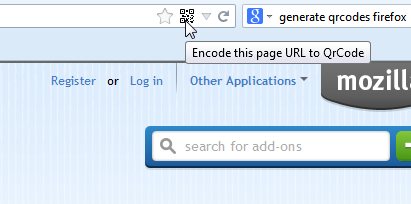
create-qr-codes-addressbar

How to Create QR Codes in Chrome

QR Code Generator is a very handy extension for Google Chrome that allows users to generate QR Codes from the context menu. Go to Chrome Web Store and install QR Code Generator. Once installed, just open any link or website you want to convert into a QR code, right-click on it and select “Generate QR Code”.
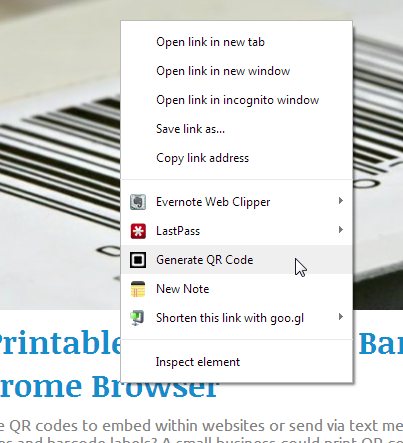
create-qr-codes-chrome

The displayed code can be saved and shared via email. You can also customize the size of the code from the extension settings.
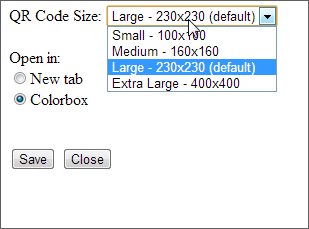
create-qr-codes-chrome-settings

Conclusion

QR Codes can be really convenient when you want to share images or other data with anyone on the go. The extensions mentioned above work great and are really simple to use. Feel free to share your thoughts in the comments below.

Image Credit: Geolocation Specific QR Code

Subscribe to our newsletter!

Our latest tutorials delivered straight to your inbox

Hammad Avatar

Read next

Suzanne Simard sealed paper birch and Douglas fir seedlings inside plastic bags, fed them carbon-14 and carbon-13 dioxide, and nine days later found carbon had crossed between species through fungal threads in the British Columbia soil beneath her boots
A species of jellyfish called Turritopsis dohrnii can revert its adult cells back to a juvenile polyp stage when injured or starving, effectively restarting its life cycle, and biologists have so far failed to identify any natural limit to how many times it can do this.
A Japanese man named Jiroemon Kimura, who lived to 116, was born in 1897 when Queen Victoria still ruled and died in 2013, meaning a single human life personally overlapped with the invention of the airplane, the atomic bomb, the internet, and Instagram
The Hollywood sign originally read HOLLYWOODLAND when it was built in 1923 as a real estate advertisement for a housing development, and it was only meant to stand for 18 months, but nobody ever got around to taking it down and the city eventually adopted it as a landmark
Almost all of the world’s internet traffic does not travel by satellite but through fibre-optic cables lying on the ocean floor, a hidden web of wires crossing the deepest parts of the sea to connect the continents.
People who flip their phone face down on every table aren’t being secretive. They figured out that staying interruptible meant handing their time to whoever rang first
Twitch vs. Facebook Gaming vs. YouTube Gaming: What’s the Best Live Game Streaming Platform?
Chrome Extensions Ownership Transfer is a Direct Threat to You: How to Stay Safe