
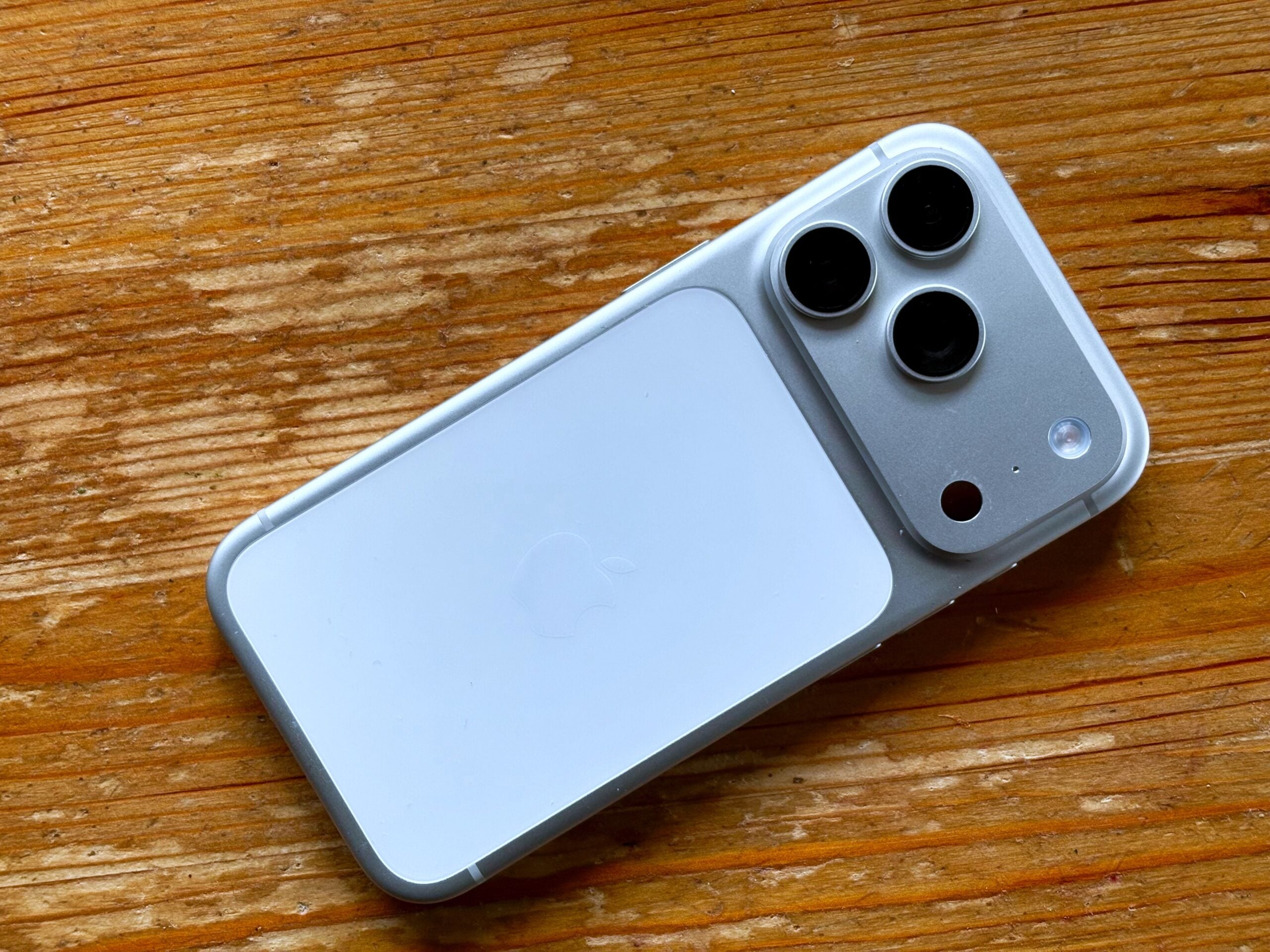


Apple’s iPhone 18 Pro Max placed first overall in a 32-phone battery comparison published by CNET, which tested each handset for three hours and 45 minutes and ranked the results on how much charge was left at the end.
The $1,999 iPhone Duo, Apple’s first foldable, finished level with the $699 iPhone 17e and the $1,400 Motorola Razr Ultra (2026). CNET wrote that the 17e, the cheapest phone Apple sells, matched devices costing nearly twice and three times its price, both of them foldables. MacRumors, reporting the test on 11 November 2026, placed that three-way tie fourth overall.
Patrick Holland, CNET’s director of content for hardware, published the results on 3 November 2026. They cover 28 phones the site tested during 2026, plus four handsets that did not get a new model this year, for a total of 32 devices and 120 hours of testing over the past year.
Each phone ran two tests, both starting from a full battery. One streamed video over Wi-Fi for three hours with the screen at maximum brightness. The other was a 45-minute stress test combining video playback, a video call, gaming and scrolling social media. The score in each case is the share of charge remaining when the run ended, and the two figures were averaged to set the overall order. The measure is therefore charge left after a fixed period, not the time a phone takes to run flat.
Where the iPhones finished
In the 45-minute mixed-use test, the iPhone 18 Pro Max and the iPhone Duo shared the top spot, each dropping a single percentage point to finish at 99 percent. Google’s Pixel 11 Pro XL tied for third at 97 percent, an improvement on the 2025 Pixel 10 Pro XL, which fell to 93 percent in the same test.
The smaller iPhone 18 Pro led the streaming test, holding 94 percent of its charge after three hours of video at full brightness. The iPhone 17 was among the stronger performers in both runs, as were Motorola’s Razr (2026) and the more expensive Razr Ultra (2026).
CNET attributed the 18 Pro Max’s overall lead to a larger battery than the one in the iPhone 17 Pro Max, the efficiency of the A20 Pro chip and optimizations in iOS 27.
A $699 phone alongside two foldables
The Duo’s shared win in the stress test did not carry into the overall table. Averaged with its streaming score, the $1,999 foldable, the most recently released device in the test, came out level with a $699 iPhone and with Motorola’s $1,400 Razr Ultra.
“If you’re looking for an affordable iOS phone, you might need to adjust your definition,” Holland wrote, adding that the $699 iPhone 17e is the cheapest model Apple sells and that he would argue it is not a budget device.
The iPhone 17 and the iPhone 17e were both listed among the better value options for battery endurance, alongside the OnePlus 15, the Motorola Razr (2026) and the Motorola Moto G Stylus (2026).
Two cheaper Motorola handsets reached the overall top 10: the $500 Moto G Stylus (2026) and the $600 Motorola Edge (2026). Neither has the silicon-carbon cells Motorola has put in its Razr line. Their screens and processors probably draw less power than those in a $1,000 flagship, CNET said. Most phones sold in 2026 carried a price increase, which the site attributed to US tariffs and to higher RAM and component costs driven by demand from AI data centers.
Apple top by brand, with the industry flat
Results were also averaged by manufacturer, counting only brands with more than one model in the test. Apple came first for the second year in a row. OnePlus was second, though the company has said it will stop releasing phones in the United States after the OnePlus 15 series.
The wider picture was flat. Phones tested in 2026 returned about the same average battery performance as those tested in 2025 and in 2024. A higher capacity in milliamp-hours did not reliably indicate which phone would last longest through a day, CNET said, because brighter screens, more powerful processors and AI features take up the extra capacity.
Silicon-carbon batteries were the main hardware change in this year’s field. They increase capacity without requiring a larger physical battery, and they are fitted to the Samsung Galaxy Z Fold 8 and the Motorola Razr (2026), both of which were among the top performers. Motorola and Samsung began adopting the cells in 2026, mostly in foldables, and Holland wrote that he expects more companies to use that type of power cell in 2027 and beyond.
The test also took in handsets outside the main flagship lines, among them Xiaomi’s photography-focused Leica Leitzphone and the “gold” T1 Phone from Trump Mobile, a rebranded 2024 HTC U24 Pro, which scored toward the bottom of the ranking.
For owners whose only complaint is that an older phone no longer holds a charge, CNET’s advice was to replace the battery rather than the handset, at $80 to $100 at an Apple Store depending on the model and how far the cell has degraded. How a phone is used affects how quickly that degradation happens, and Apple’s own guidance sets out the ambient temperature limits it recommends for iPhones as well as what to do with a wet iPhone.