
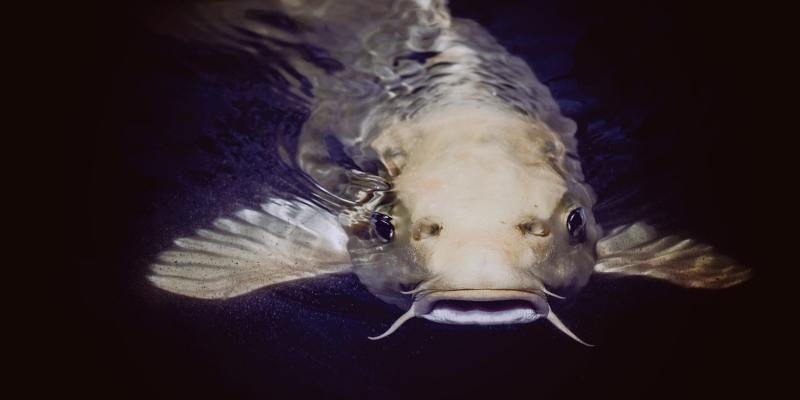

As our social lives move onto the Internet, so do certain aspects of it. One of the major players in the online world is dating. No longer do people have to show up to meetups in order to find potential partners. Now they have an entire directory online of beautiful people to browse at their leisure. But are potential partners actually as good-looking as they appear to be?
The relatively new fad of “catfishing” is where the online crush you have your heart set on may not be telling the whole truth. Due to how easy it is to fetch an image of an attractive person off the Internet, people can use it as a profile picture to appear more desirable online. They then approach people of interest and try to establish a romantic relationship using their fake persona.
Why Do People Catfish?
The more obvious reason why someone would adopt a fake persona is to initiate an online relationship. Of course, if the catfisher ever meets up with their partner in real life, the illusion will be lost the moment they see one another. As such, a catfisher will push for a long-distance relationship and will deny any video chats or invitations to meet up.
While this is the more obvious reason why someone would create a fake persona, catfishing has a darker side to it. When the victim asks if they can meet in real life, the catfisher will agree that it would be a great idea but then claims there’s a problem; they supposedly live across the country and have no means of travel or money to do so. If the victim would donate some money, however, they could meet in real life and make their relationship more real.
If the partner is head-over-heels in love, they may decide to pay up in order to see the love of their life. Once the money has changed hands, the catfisher deletes all their details and leaves the victim in the dark and without their money.
How to Avoid Catfishing
The main way to avoid catfishing is to apply the one thing that works for the majority of Internet scams – common sense! If you’re dating an online partner who doesn’t want to use a webcam, but does want you to spend a lot of money on them, red flags should be going up. Never give anything to anyone unless you know for sure they are who you think they are.
A common trait for catfishers is that they act quite quickly and irrationally in order to set up the relationship. If someone completely and totally falls for you within days of saying “hello” for the first time, be extra careful. Likewise, if they seem very clingy and shame you into doing things for them, they might be a catfisher.
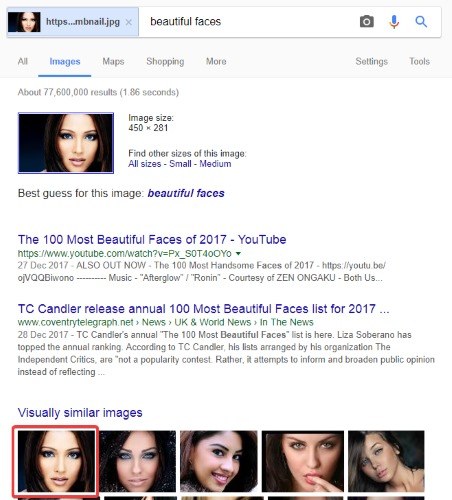
If the dating profile seems too good to be true, it probably is! One way to check if the profile picture was downloaded from Google is to save it to your computer somehow, then go to Google Images reverse image search and upload it there.


Chrome users can do this faster by right-clicking the image and selecting “Search Google for image.”

Google will let you know if the picture is found elsewhere. If it appears on a site not affiliated with your potential date, you’re probably dealing with a catfisher!
Fishing Without Bait
Catfishing is a relatively new phenomenon on the Internet. Its motives range from an insecure person trying to find love all the way to a scammer trying to steal money from lonely hearts. Now you know what catfishing it, its darker side, and how to avoid it.
Has someone ever tried to trick you with an online persona before? Tell us your stories below!