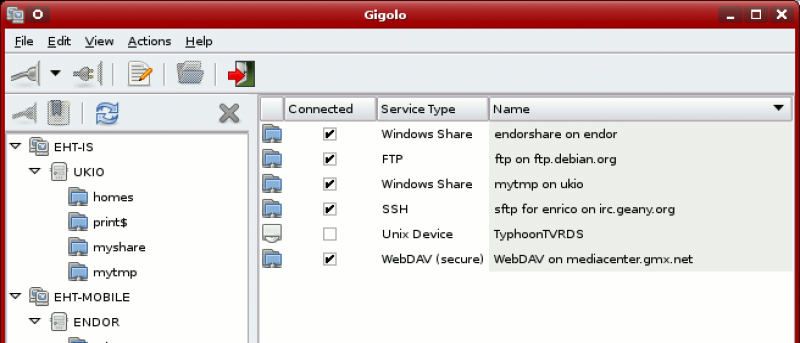
If you’re using a lighter-weight desktop for your Linux machine, or you just want a dedicated application for viewing and interacting with your remote filesystems, Gigolo is the one for you.
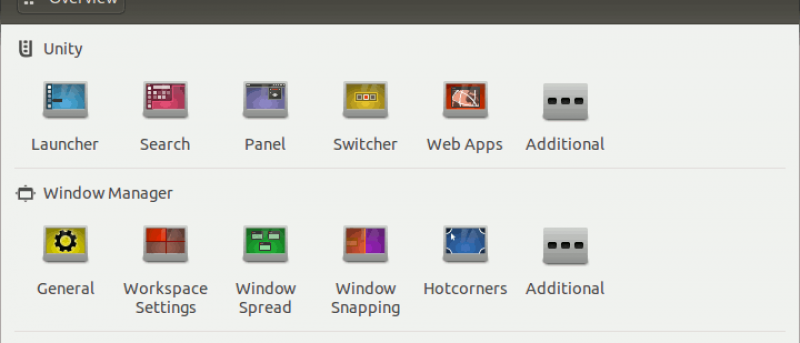
Unity Tweak Tool is a configuration tool for the Ubuntu Unity Desktop. It brings all the settings together in a single place so you can access them easily.
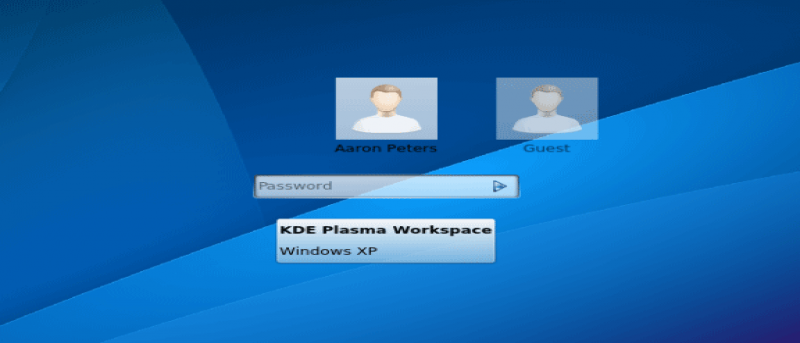
Virtualbox is a useful application that allows you to run another operating system in your Ubuntu. Here, we will show you how you can setup your Ubuntu so you can log directly into the Virtual Machine from the login screen.
This article examines the desktop toolkits, GTK+ and Qt, that allow developers to create applications quickly and with a common look and consistent functionality.
Who doesn’t want a talking computer? Festival is a multilingual TTS system and framework that will run on any Unix-like system, including Windows with Cygwin installed.
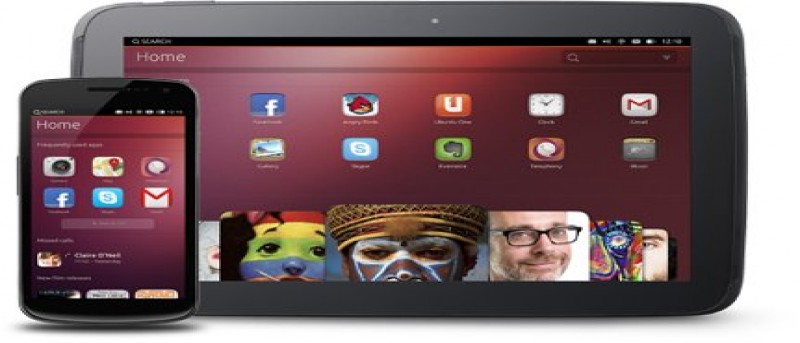
If you have heard of the new Ubuntu Touch mobile OS and are keen to try on your Nexus device, here are the instructions for you to install Ubuntu Touch on Nexus 7, and also to restore back to Android.
If you are a writer, you would have used tools like Final Draft or Scrivener to create your work. What if you are a Linux user and those tools are not available on Linux platform? Here are some Linux-based creative writing applications for you.
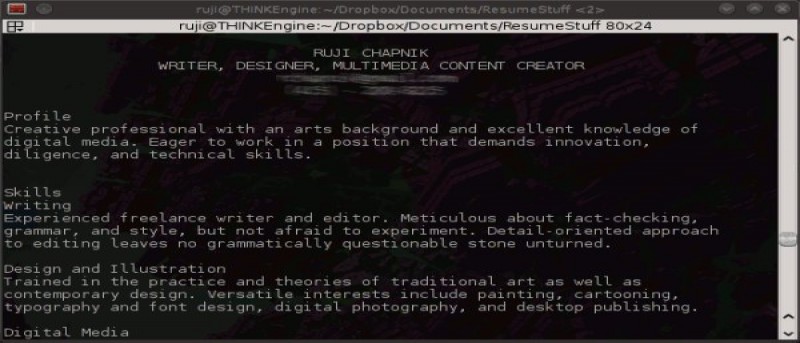
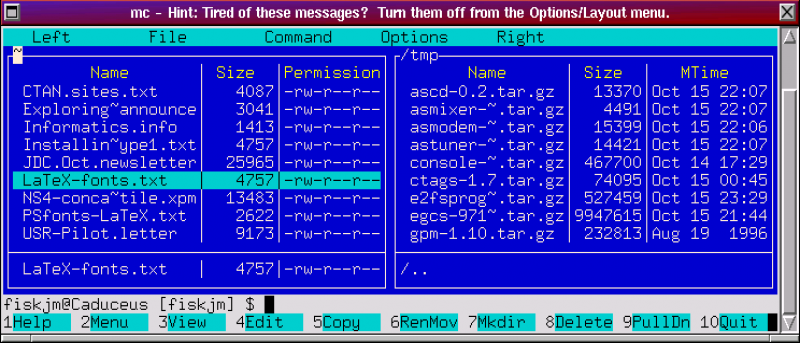
For Linux users, knowing how to get around on the command line is an essential skill. But there are times where you might not remember a command or you actually need to edit a file. The Midnight Commander is an excellent tool to manage your files in the terminal.
The Plasmoids is one useful feature in KDE that didn’t receive plenty of attention. Here, we will show you 5 useful KDE plasmoids that you can make good use of.
If you want to make your workflow even easier, you can consider having specific applications open up automatically into separate workspaces in GNOME, saving you from having to rearrange windows the old-fashioned way.
Most Linux users are familiar with the various desktop manager like KDE, GNOME, etc, but few understands the important component that makes each of these desktops possible – the venerable X-Window System. Let’s take a look at this important piece of software in more detail.
If you are not a fan of one of GNOME 3’s default fonts, for example the Cantarell font, it is possible to replace it. The following shows how to change the fonts in GNOME 3.
Most Linux distributions currently default to using the Ext4 file system, but the future for many of them lies with the B-tree file system, better known as Btrfs. Learn all about Btrfs and why is it better than Ext4 file system.
Do you crave a stunning visual accompaniment when you listen to your favorite songs? Do you want to turn your computer into an extravaganza of sensory stimuli? If so, the music visualization app projectM is for you.
Evilwm is a stacking, or floating, window manager for the X desktop. It is known for being almost obscenely minimalistic, boasting only 1-pixel borders for application windows and using no panels, launchers, or menus.
For those who miss those classic games such as The Secret of Monkey Island, you can now relive the glory and play classic adventure games on Linux with ScummVM
Most guru will disapprove the using of GUI desktop on a server, but there are situations where a GUI desktop is desired. When such situations arise, you can make use of the instruction here to install a GUI desktop on your Ubuntu server that will only start on demand.