

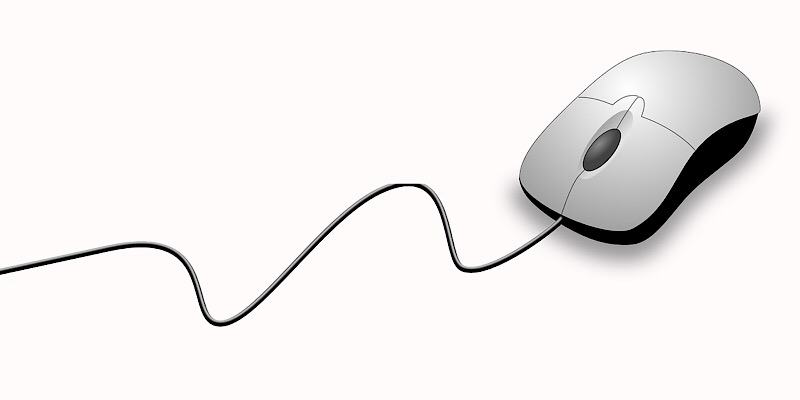
Everyone over a certain age can remember what life was like before the mouse. When you sat down at your computer, all your work was done with keystrokes. But the mouse added much in the way of productivity.
But that was decades ago, and now another implement is knocking on the door, and it’s threatening the livelihood of the mouse, and that appears to be Microsoft’s very intention. Can the stylus completely eliminate the need for a mouse?
Microsoft’s Plans
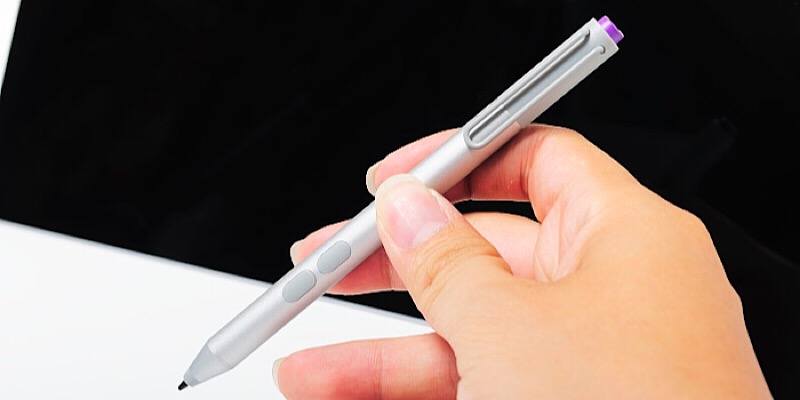
Microsoft picked up a new patent last week for an update to the Surface Pen. It will have a U-shaped touch-sensitive retention clip and will be different than most other styluses. The goal is for it to replace the scroll wheel that is found on a mouse so that you can use it to scroll through pages and zoom in and out. Running your finger along that retention clip will allow you to do these functions.
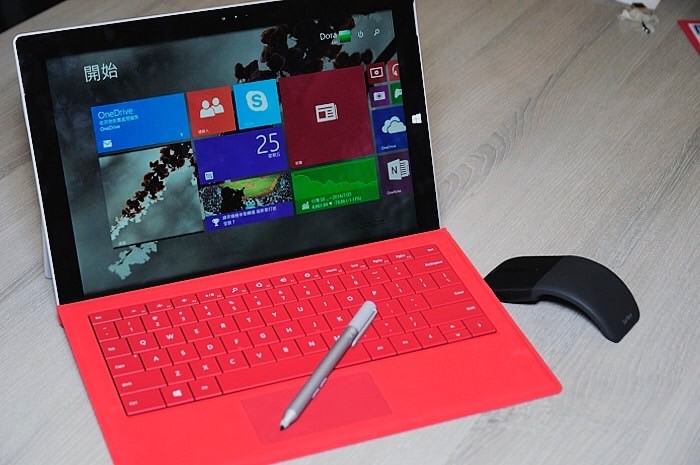
“By providing a touch-sensitive retention clip on the stylus, the stylus is able to provide scrolling, zooming, and/or other computing functionality in a manner that is similar to a scroll wheel of a mouse device,” reads the patent. “As such, a user may forgo using a mouse device in favor of the stylus when interacting with a computer.
The current Surface Pen connects to devices running Windows 10 through Bluetooth 4.0, and it uses a AAAA battery. This new patent includes a tail eraser and two barrel buttons. These will emulate the left- and right-click buttons of a mouse.
Could It Replace the Mouse?
The real question is if this new stylus could eventually replace the mouse. Clearly that’s what it’s being designed to do, but will it do that just for some people, or will it eventually completely eliminate the need for a mouse?
The retention clip is towards the eraser end of the proposed surface pen. To use the scrolling function, it’s shown in the artist’s rendition laying down next to the device, not being held in the user’s hand. Only one hand is shown on the stylus, using the retention clip, so it would seem it would have to be laying down.
This seems to be the biggest drawback of this proposed stylus. What makes a stylus a stylus is that you can hold it in your hand as you would a pen. If you have to lay it down, it seems like you may as well be using a mouse.
Sure, it’s nice to be able to eliminate an implement such as the mouse and have the proposed surface pen do the job for both a stylus and a mouse, but the pictures don’t make it look very convenient.
Your Thoughts
What are your thoughts on this proposed stylus pen? Do you think it could replace your mouse? Do you think it’s in danger of revolutionizing the way we use peripherals in that it could eliminate all mice from the market? Do you find it an interesting idea that needs a few more tweaks to be fully implemented? Or do you think Microsoft is going in the wrong direction with this one? Let us know your thoughts in the comments section below.
Image Credit: Sinchen.Lin via Wikimedia and Wikimedia. Other images are public domain.