

Bluesky’s been making small waves as an X competitor, but thanks to an upcoming app, it could feel more like an Instagram competitor. The Flashes app turns your typical Bluesky feed into a Instagram photo feed without needing you to join yet another social network.
Users Searching for an Instagram Replacement
When Mark Zuckerberg announcement major changes to Meta’s moderation system, that was the last straw for many Facebook, Instagram, and Threads users. The search for something new actually resulted in Facebook blocking any posts containing links to Instagram competitor, Pixelfed, which is part of the Fediverse.
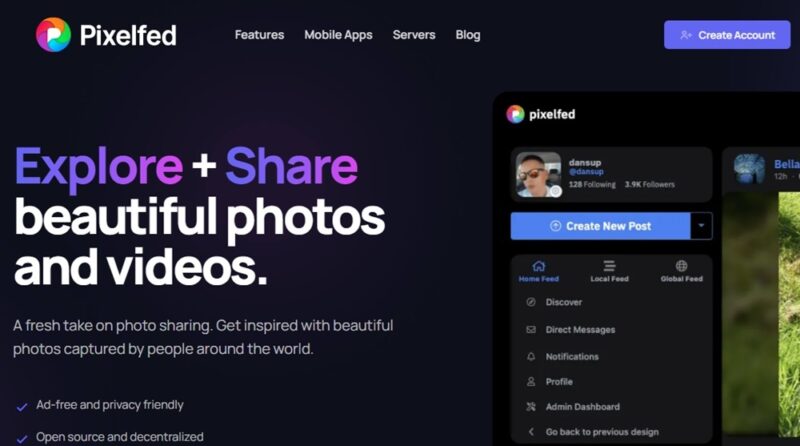
While Facebook has since admitted it was wrong to limit free speech by labeling the posts as spam, it shows Meta is afraid of losing users. Now, Bluesky may be getting it’s own version of Instagram, creating even more competition for the popular photo and video sharing platform.
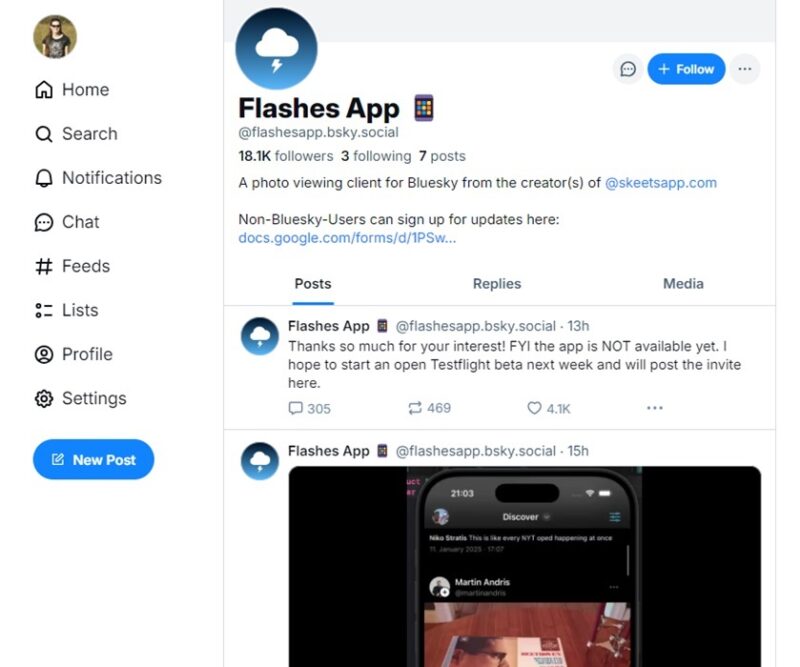
The Flashes app was created by Sebastian Vogelsang, who already created Skeets, an alternative viewer for Bluesky. The name, which makes me instantly think of a camera flash, doesn’t require you to join yet another social network. It works with Bluesky. One network that looks and feels like two other major social networks.
Flashes Simply Filters Bluesky
Vogelsang has tried to make it very clear that the Flashes app isn’t an Instagram clone. Instead, it’s a Bluesky client that filters content. For users that prefer visual content, Flashes pulls just photos and videos from Bluesky into a feed that looks incredibly similar to Instagram, though I would guess it doesn’t include an ad after every other post.
I’m already excited about the potential here. Based on what Vogelsang has teased so far on Bluesky, I can use the same login for both apps. And, any engagement happens on both at once since Flashes is just a client and filter.
Vogelsang is hoping giving Bluesky a sort of Instagram makeover may attract far more users who never used X/Twitter. Instead, this could attract both Instagram and Pinterest users who’ve always preferred social networks focuses on images.
At the moment, Flashes is only designed to support up to four photos or one video of up to one minute per post. Why? This is what Bluesky supports.
But, now for the bad news. If you were ready to download the Flashes app and ditch Instagram, it’s not available just yet. According to the Flashes Bluesky account, a Testflight beta may start as early as next week for iOS users. If you’re on Bluesky, just follow @flashesapp.bsky.social for updates. Or, fill out this Google form to be sent updates.
Next on Vogelsang’s to-do list is a video-only client for Bluesky, which could mimic TikTok. Of course, videos would still be subject to Bluesky’s video limits.
Curious about Bluesky before Flashes launches publicly? See what all the fuss is about. Then, learn how to build followers.
Image credit: Pexels