


Even if you don’t own any cryptocurrency, odds are good that you know someone who does. “Bitcoin” and “blockchain” have entered the modern vocabulary, and they seem to be here to stay – but are they good for anything besides speculation and impressing people at parties? Actually, they are already being used by several companies, and they could soon become a part of your life.
A blockchain is a ledger, or an accounting book, stored on a network of computers, usually dispersed across the world. These computers check each transaction against their records to ensure that it is valid, and if it is, it becomes part of the permanent blockchain. Think of it as a set of accounting books containing every transaction ever made. When a new book is written, each blockchain user gets a copy of the book. If anyone ever tries to change their book, all the other books will still show the correct values, so the change will be rejected.
If you are wondering how is this useful to you, here are some of the ways that Blockchain technology is being used right now.
1. Tracking fine wines in China with Vechain Thor
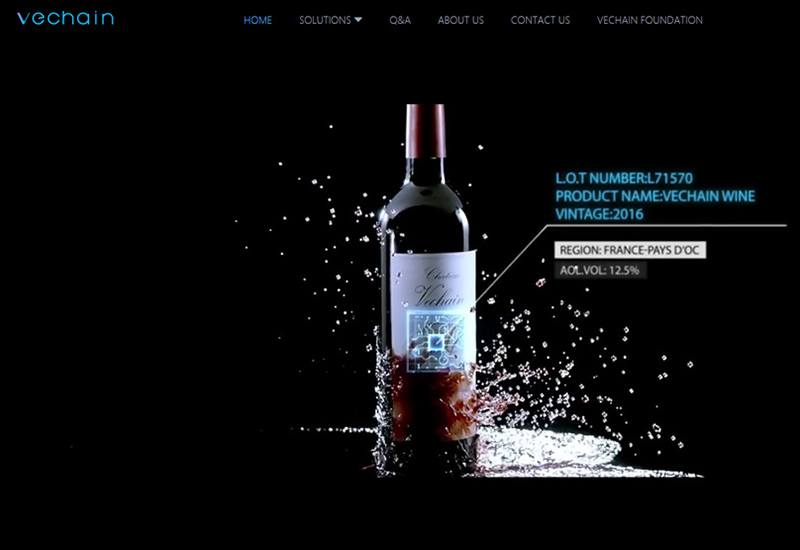
Counterfeiting is a big problem in Chinese markets – clothes, technology, and even alcohol can be cheaply copied and sold to unsuspecting buyers. That’s why Vechain Thor, a Singaporean blockchain startup that has partnered with China’s largest fine wine importer (D.I.G), is using a blockchain to track bottles. Here’s how it works:
- I.G imports wine to China and puts a QR code or NFC/RFID tag on each bottle. Each one has a unique cryptographic ID that cannot be duplicated.
- Each place that checks the bottle into their inventory is registered on the blockchain.
- A wine buyer that wants to verify the wine’s legitimacy can look up the QR code or tag to see every stop it’s made.
If you want to see for yourself, just head to a wine shop in China and look for one of the million bottles currently on the blockchain.
2. Mining Monero instead of showing you ads

Journalism is an industry with money problems – specifically, they’re having trouble figuring out how to make it online, especially with the rise of ad-blockers. The online publication Salon has a creative solution that might soon be commonplace: instead of seeing ads, you can let their site mine Monero on your computer.
If this sounds like cryptojacking, that’s because it is similar. Salon, though, promises that they won’t do it without your permission and that they’ll stop when you leave their site. Since they want people to keep visiting, it’s very unlikely that they’ll abuse their power.
3. Making the cloud cloudier with Storj, Sia, Filecoin, and MaidSafe
Where do your files go when you put them in your Dropbox or Drive? Probably a large, warehouse-like structure with endless stacks of hardware – not much like a cloud. These are expensive to run, prone to data breaches, and not very private. But what if your files could be split up, encrypted, and sent to live in pieces on computers all over the world, unreadable to anyone who finds them? The four services listed above do exactly that, and though they’re not the most user-friendly, they have working products that are storing decentralized data right now.
4. Cutting out the media middleman with Steemit
Aside from mining Monero, Salon is sticking to a pretty traditional publication structure. Steemit, on the other hand, is a fully decentralized media platform. You can sign up for the platform, create content, curate other people’s content, and get paid depending on your popularity.
But it’s not people paying you. It’s the blockchain, which measures your level of influence on the site and rewards you with cryptocurrency that can be exchanged for U.S. dollars. It sounds odd, but the website has been paying since 2016, and the developers are currently working on making “smart media tokens” into a solution that traditional publishers could easily implement.
5. Keeping track of diamonds with Everledger

Theft, counterfeiting, insurance fraud, and ethical sourcing are all expensive, hard-to-verify problems in the jewelry industry. If you bought a diamond after 2015, however, it may already be listed on Everledger’s blockchain along with over a million others. The company uses over forty pieces of metadata and high-resolution photography to identify diamonds and track their movements via the blockchain. If a diamond is a known “blood diamond” or has been reported stolen, a simple blockchain check will show its past. Diamonds are forever, and so are blockchains.
Conclusion
Fans of HBO’s “Silicon Valley” may remember a revolutionary idea from one of the characters: create a decentralized Internet with all the data stored on peoples’ phones. Thanks to blockchain technology, that may be a reality sooner than we expected. The projects listed above are just a few of those with working models; many more are in various stages of development.