
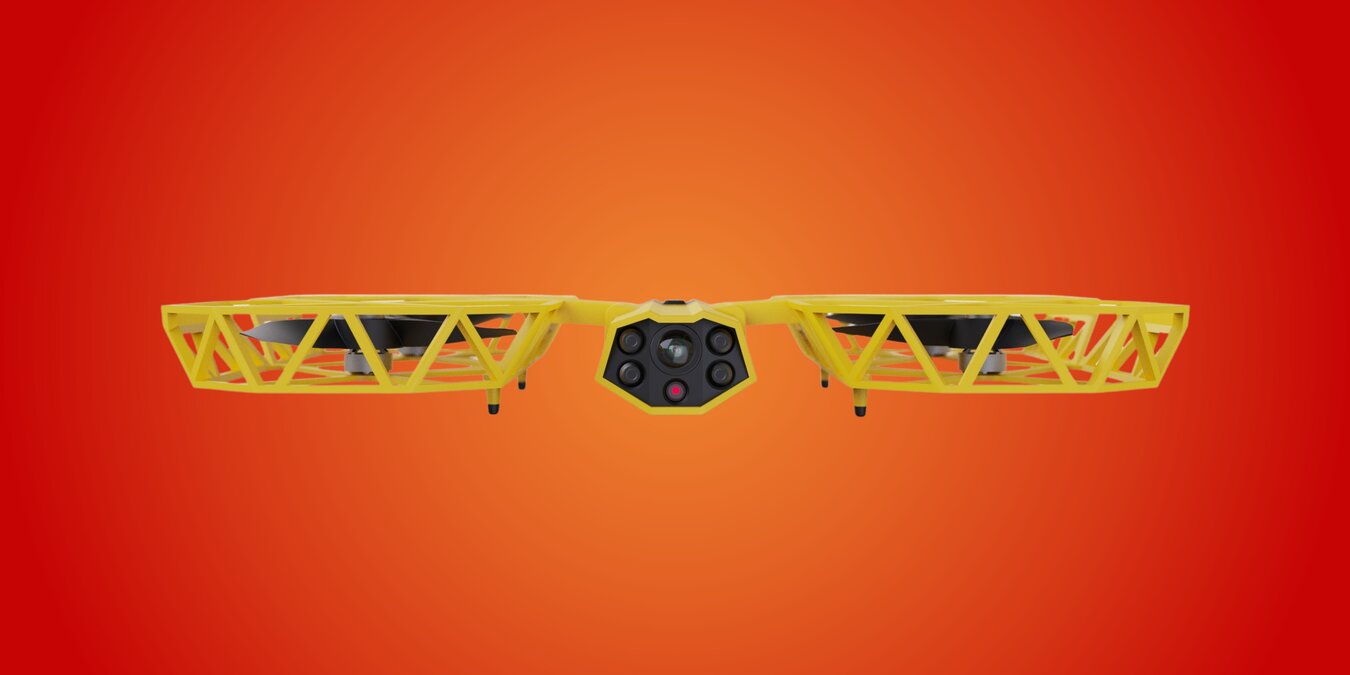

The news of yet another school shooting shook much of the U.S. and confused the rest of the world. Ideas to remedy the situation range from arming teachers to limiting access to guns. The CEO of Axon, the company behind Taser stun guns, has another idea. He wants to stop the shootings with armed drones.
Also read: ID.me and Facial Recognition Software Probed by Lawmakers
The Bold Idea of Using Armed Drones
This isn’t a new idea for Axon CEO Rick Smith. He has been considering armed drones for years, even publishing a novel about the idea. He’s now done with watching the senseless violence unfold.
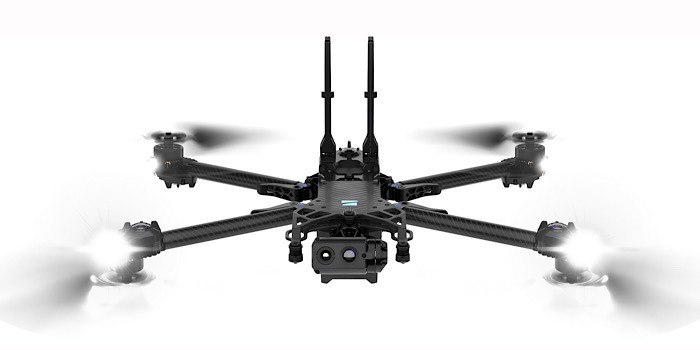
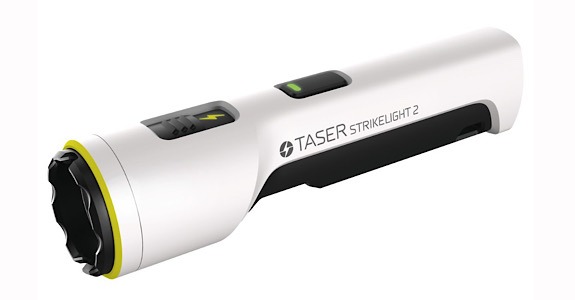
Smith announced in a statement that Axon plans to develop “a remotely operated, non-lethal drone system that we believe will be a more effective, immediate, human, and ethical option to protect innocent people.”

An Axon advisory board believes Smith is being hasty. “We think Axon’s decision is deeply regrettable,” read a tweeted statement.
The board first heard of the idea of armed drones a year ago. A majority of board members just last month voted the idea down.
The advisory panel explained that Axon wants to make the technology available beyond the police and that the plan would include adding school security cameras that could be monitored by police.
A member of the board, Danielle Citron, is a University of Virginia law professor. She believes it’s possible that some board members will resign over the decision. “There’s a lot of disappointment, but a lot of us don’t want to be hasty and lose the chance to have an influence,” she said. “If we all resign, then who’s there?”
Noting that Smith is usually considerate of the board’s advice, Citron believes he has a genuine desire to put an end to school shootings. “It’s the real deal, his concern about an alternative to guns and bullets,” she added. “He’s a very thoughtful guy.”
Not Axon’s First Controversial Product
Armed drones aren’t Axon’s first controversial product. Many people have died after being struck by Taser stun guns, and the company’s police body cameras have been held up to privacy concerns. The board previously advised against adding facial recognition to Axon’s cameras, leading Smith to cancel the plan.
But Smith doesn’t want to waste any more time and wants to put his armed drones plan into play. “Now is the time to make this technology a reality – and to begin a robust public discussion around how to ethically introduce non-lethal drones into schools,” he said in his statement.
Comparing the idea to indoor fire sprinklers, the CEO said, “There are over 10 million fire hydrants pre-emplaced in the United States, and every modern building has fire suppression systems to contain fires until firefighters can arrive.”
He added, “I believe we can create systems that can detect, deter, and ultimately stop a shooter within a building for a comparable cost as, or less than, fire suppression systems.”
In 2019, the FAA said armed drones would be illegal unless receiving prior authorization. “Perhaps you’ve seen online photos and videos of drones with attached guns, bombs, fireworks, flamethrowers, and other dangerous items,” said the agency at the time. “Do not consider attaching any items such as these to a drone because operating a drone with such an item may result in significant harm to a person and to your bank account.”
Check out other ways drones have saved lives.
Image credit: Axon