
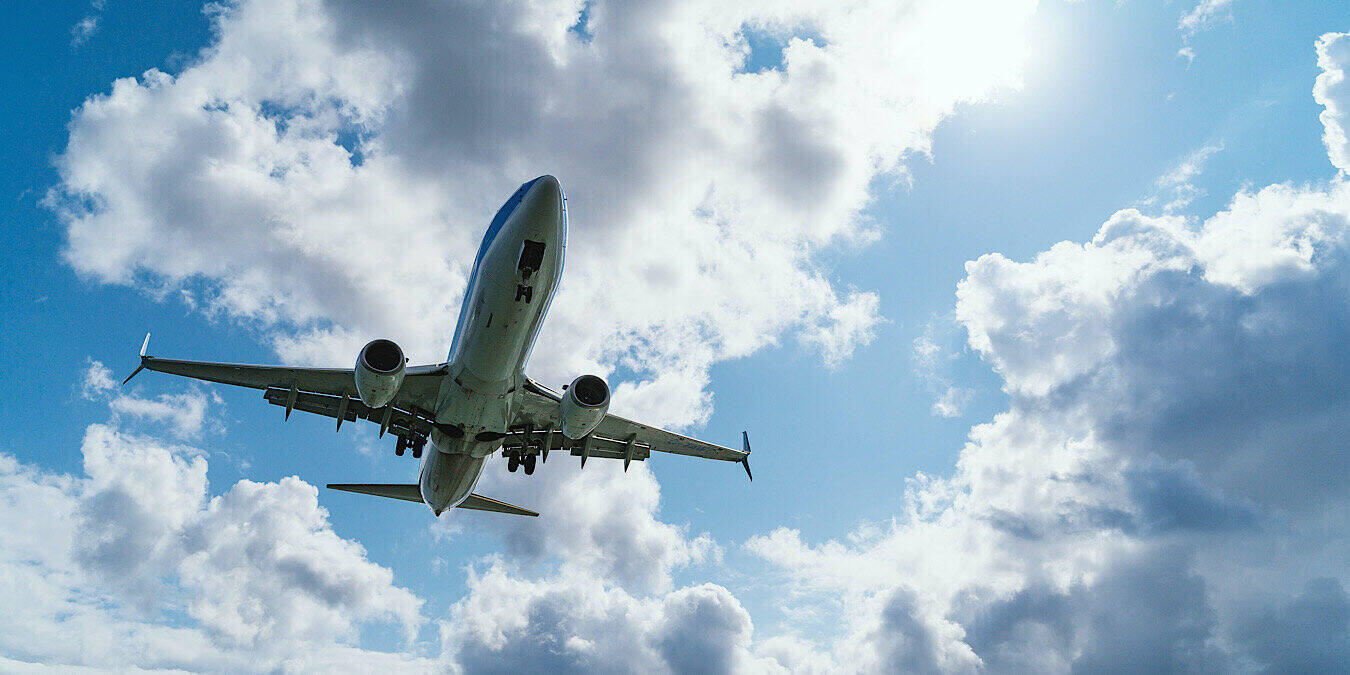

Cell carriers have been fighting each other to be the first to roll out different phases of 5G service, but this time they’re working together. There were plans for a rollout next month of a new 5G spectrum, but AT&T and Verizon agreed to put it all on hold because of possible interference with airplanes.
Potential Air Space Conflict with 5G
The Federal Aviation Administration (FAA) had plans to issue mandates that would put limits on the use of some automated cockpit systems by pilots. An example of one of these systems is the one that helps planes land in poor weather. The FAA was hoping to avoid interference from cell towers that would be transmitting 5G.
Officials in the telecom industry don’t agree on the level of concern. They don’t believe there is evidence that the 5G signals would interfere with airplanes in flight. Yet, AT&T and Verizon agreed they would put their rollout on hold for a month.
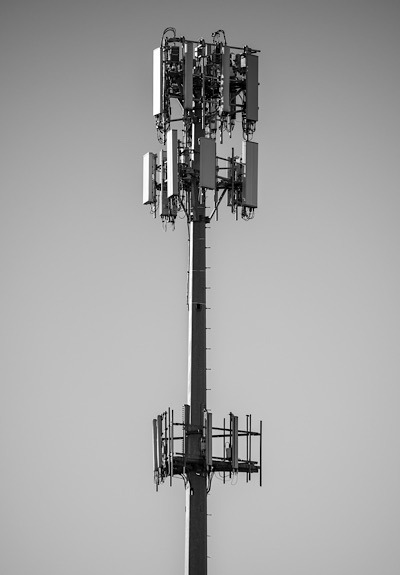
The Federal Communications Commission (FCC) backs up the FAA’s concern. The agency issued a statement after AT&T and Verizon’s agreement that said, “Aviation safety and technology leadership are national priorities, and with today’s announcement, these companies have demonstrated their commitment to both.”
AT&T said it would continue to work with the two federal agencies. Relying on science and data, the telecom company said, “That is the only path to enabling experts and engineers to assess whether any legitimate coexistence issues exist.”
Its competitor, Verizon, announced that it agreed to postpone the rollout “in the spirit of good faith” yet wants to stay on track to bring 5G over the C-band early next year. The C-band spectrum is recognized as being very suitable for 5G and is already in use in other countries. Only a portion of the spectrum would have been scheduled for the rollout next month.

A Verizon spokesperson said in a statement, “We appreciate the FCC’s work in its discussions with the FAA and others to ensure a data-driven analysis that will again demonstrate that 5G operations in this band pose no risk to flight safety.”
The delay probably won’t affect AT&T and Verizon too much, as the 5G infrastructure has been slowly rolling out. One month won’t make too much of a difference. But timing beyond that month is critical. Verizon wants to use C-band frequencies to deal with the demand for speeds to handle app downloads, games, and video streaming.
Airline Response to the 5G Delay
Aviation groups had already been warning federal officials about the perceived risk to safety from the 5G rollout, which they assumed would lead to an economic fallout, according to sources.
An aviation group coalition was expected to speak to government officials this week with a warning that the FAA restrictions could lead to airports being shut down and maybe even entire regions. The cancellations and delays would bring it all to a halt. The restriction would have affected flights over the U.S. airspace that use radio altimeters to measure the distance between airplanes and the ground.
The rules for C-band were set last year after reviewing how it could impact flights. It suggested a “guard band” to buffer between the cell towers and air space uses. The FCC reviewed the risks and said proper equipment “should not ordinarily receive any significant interference (let alone harmful interference).” It later set December 5 as the date for C-band to start rolling out.
Read on to learn how to fix it when cellular data isn’t working on your iPhone and find the best Wi-Fi channel for 5gHz frequency.