
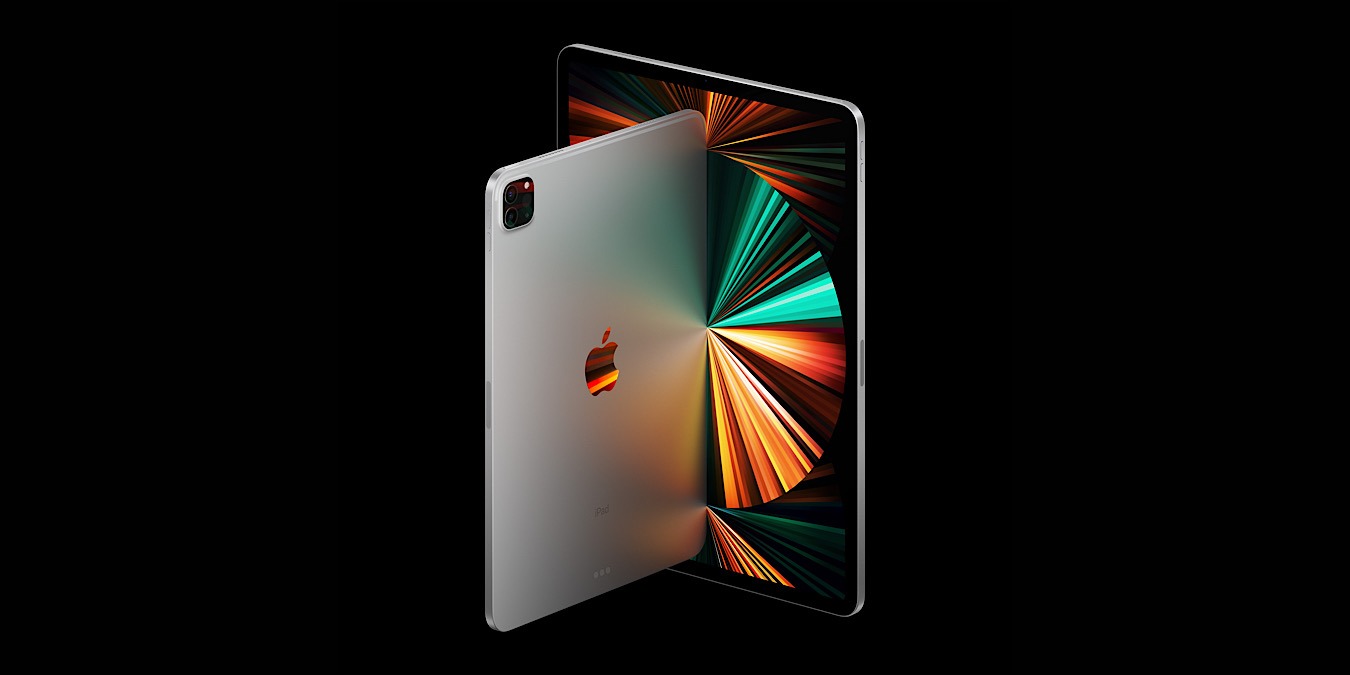

Apple happens to have a golden touch when it comes to developing new products. Even when it develops a product that is already marketed by other manufacturers, it can quickly rise to the top and become the top seller, such as the Apple Watch and AirTag. Apple is also working on a smart home hub or dock to work with an iPad that would rival the Amazon Echo Show or Google’s Nest Hub.
Apple Marrying Existing Products
One of Apple’s most successful products has been the iPad. It definitely owns the market in that field. There aren’t any devices that could rival the popularity of the iPad. It sold nearly double the tablets that Samsung sold last year. The Apple HomePod, however, could have been considered one of Apple’s rare flubs – until it released the HomePod Mini.
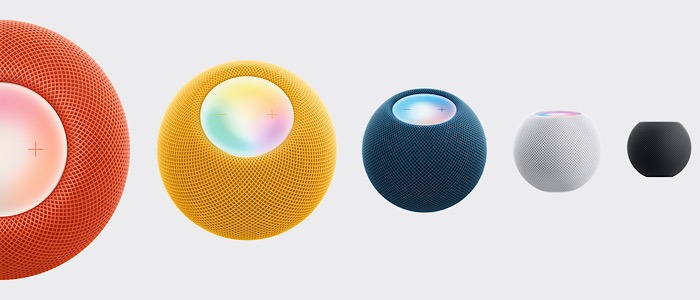
What Apple doesn’t have is a smart speaker with a screen to rival the Amazon Echo Show series or Google’s Nest Hub series. These devices have multiple uses: play music and videos, give information, and act as a smart home hub.
Apple must have realized it didn’t have to stray too far to develop a similar smart home hub, as it already has a screen-less smart speaker and a display that isn’t much of a speaker. It just needs to figure out how to capitalize on those existing devices to create a new one.
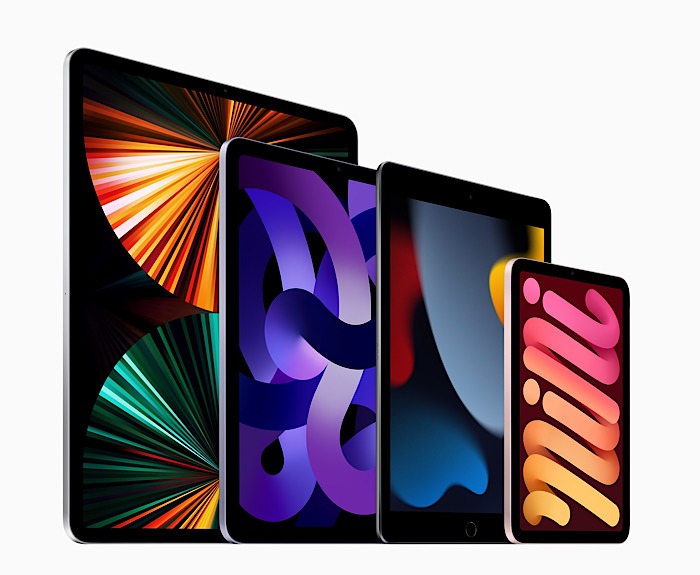
Apple is working on developing a product that would be similar to Google’s new accessory that acts as a dock for a Pixel tablet to be used as a smart speaker and smart home hub. This new Apple device would work like a HomePod and allow you to attach an iPad to it as a display and smart home hub.
At the same time, Apple is exploring an all-in-one device similar to an Echo Show or Google Nest Hub that would allow you to do it all and not attach an iPad to it.
New Device Availability
Whichever way Apple decides to go with this new device, it won’t be available at Apple’s expected new iPad announcement this week. However, it could be ready as soon as next year.
In the meantime, perhaps we can learn which way Apple is leaning in this new development process by looking at what it does release this week. A new iPad that Apple releases may be perfect for connecting to the under-development smart home hub to work as a smart speaker. If Apple finally ditches the Lightning port in all iPads, that would certainly lend to using it to attach to a hub or cradle, as it’s sometimes referred to.
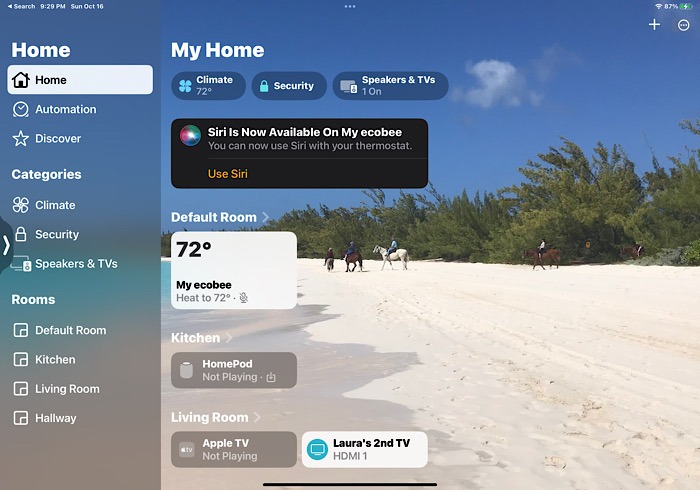
Additionally, Apple made big changes to its Home app that controls smart home devices. It gives a better picture of everything in your smart home.
But perhaps the one Apple improvement that will make the most difference to a new smart home hub will be Matter, which was recently made official. The technology will allow products from different manufacturers to work together more easily and efficiently, streamlining the process. The improved Home app would work great with Matter.
We’ll have to wait and see what Apple releases next week, but even without a new smart home hub/smart speaker device, the iPad launches could be important to your future smart home.
Read on to learn about the new iPhone 14 series that was released last month
Image credit: Newsroom. All screenshots by Laura Tucker.