
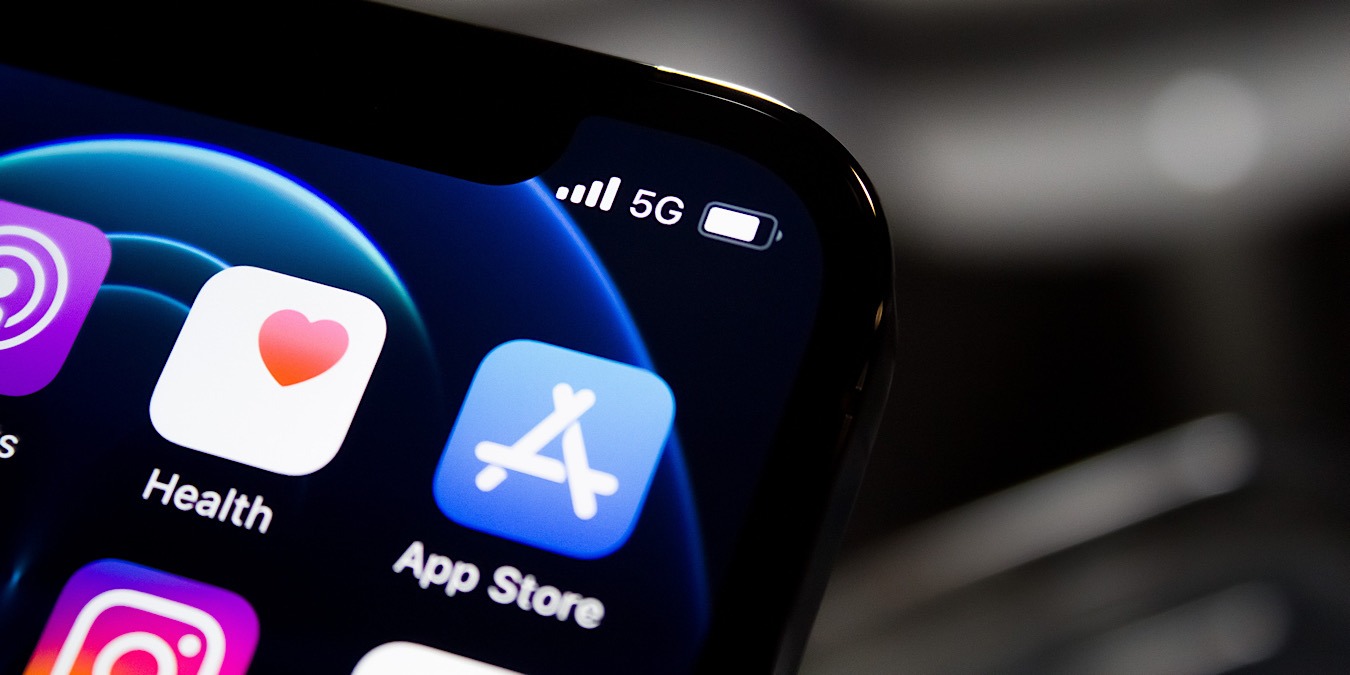

There are many differences between Android phones and iPhones, but one glaring difference is that the Apple handheld forces users into its App Store ecosystem. Because of new EU laws, that will soon be changing, as Apple is making changes that will lead to allowing third-party app stores on iPhones and iPads, which will hurt the company’s big app commission.
Read on to learn how apps in the Google Play Store were made less safe after a revision to the Data Privacy Policy.
Apple’s Plans for 3rd Party App Stores
It was reported that employees with Apple’s software engineering and services department are working on making the Apple platform more open. It would lead to iPhone and iPad users being allowed to download third-party software that doesn’t have to go through the App Store.
Apple has fought this policy in court, famously going up against Epic Games and its battle to manage the Fortnite business the way it wanted to on the App Store. Developers and regulators have long-standing complaints that Apple – and even Google – hold too much power with the way they conduct their app stores.
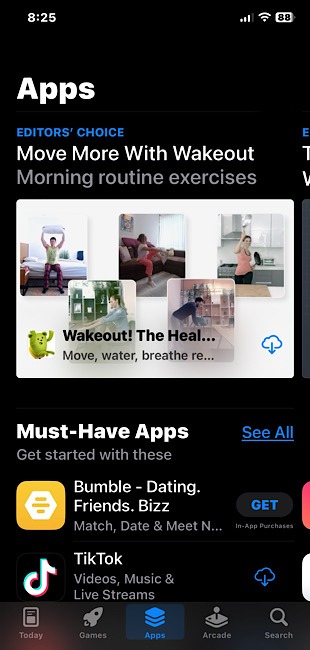
Apple is reportedly using a large number of resources on this project that it previously referred to as “sideloading.” Some of the engineers working on allowing third-party app stores see it as a distraction from developing new features, but Apple would like to see the changes are part of iOS 17, which would feasibly need to be ready to go by next September.
While Apple has argued that allowing sideloading would lead to its users downloading unsafe apps onto their iPhones and iPads, it does have an idea to help with that. Apple is considering requiring apps to comply with security standards, even if the apps are uploaded outside of the App Store. They may need to be verified, and that could allow Apple to still collect a hefty commission.
EU’s Demand on Tech Companies
The European Union passed the Digital Markets Act in September, and it went into effect on November 1. It demands that technology companies change their policies to allow third-party apps and easier changes to default settings. Additionally, messaging services need to work together.
Apple won’t be required to comply with the Digital Markets Act until 2024. The United States has wanted to pass similar regulations but hasn’t made the strides that the EU has.
Other Possible Changes at Apple
While Apple is reportedly working on allowing third-party app stores and opening more APIs, it has not made an ultimate decision on what it will do. It also hasn’t decided on whether to allow third-party payments, as that would cut Apple out of a commission that is often 30%.
Additionally, Apple is looking to open more features up to third-party apps, such as camera-related features and its NFC chip. The Wallet app and Apple Pay are the only features that can use the chip, but there’s been pressure on Apple to allow access to third-party financial apps. Apple is also considering opening the Find My network even more to third-party accessories, including Tile, which competes with the Apple AirTag.
The company has not decided on how it will handle the Digital Markets Act’s demands on messaging. It has so far resisted Google’s insistence that it use the same technology, RCS. Apple is worried that opening up to other services will affect end-to-end encryption.
And that’s what it all comes down to. While some people contend Apple is just trying to get more business, the company always insists that it’s looking out for the privacy of its users. It will be up to Apple to walk that tightrope between keeping users happy and keeping their privacy safe.
Image credit: Unsplash. All screenshots by Laura Tucker.