
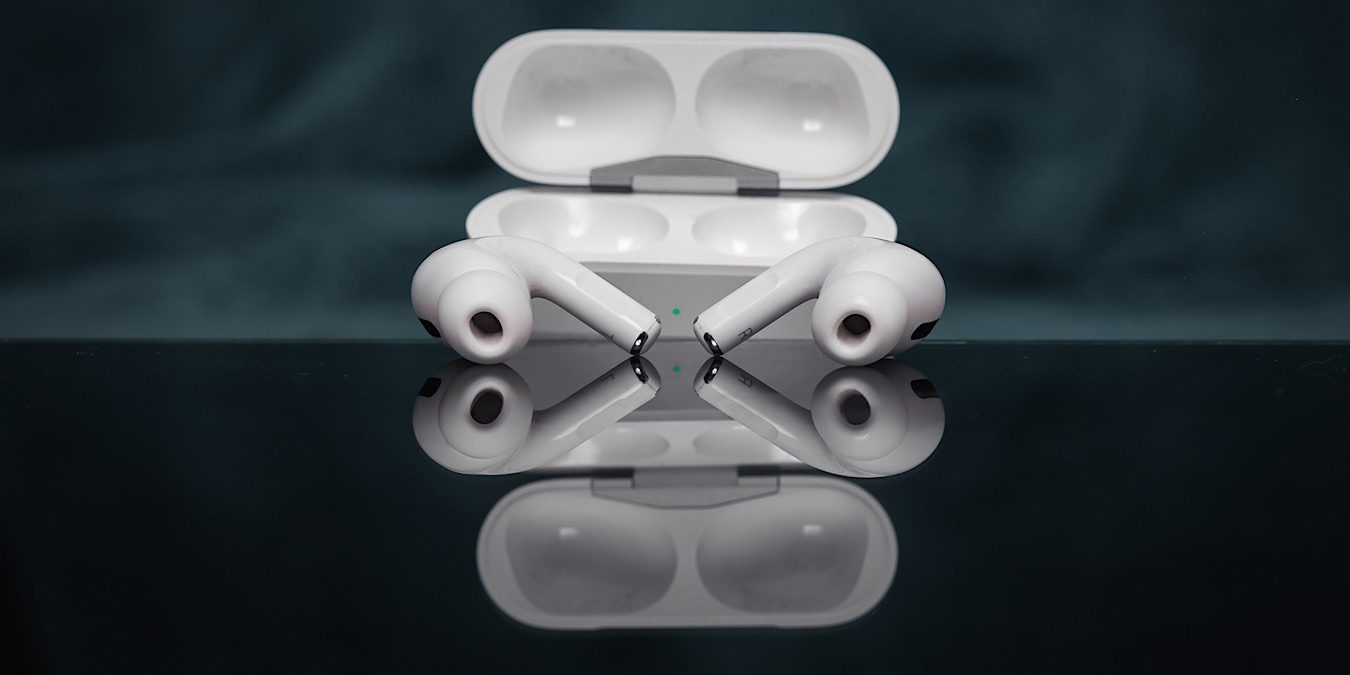

There’s been a push for the tech industry to adopt a right-to-repair policy. The U.S. government put more emphasis on that push last week. They seem to be calling out Apple as a big offender of forcing users into costly repairs and replacements. AirPods are seen as somewhat of the focus in right-to-repair legislation, with users saying battery life becomes reduced down to approximately one hour.
Why AirPods Are Difficult to Replace
Apple AirPods, the most distinguishable earbuds in the industry, have been around for five years. In that time, they have picked up many impostors. But it’s AirPods taking the blame in the right-to-repair push.
Apple added a small lithium-ion battery to create the wireless design that allows AirPods to be charged in their case. They’re prone to wearing out quickly.
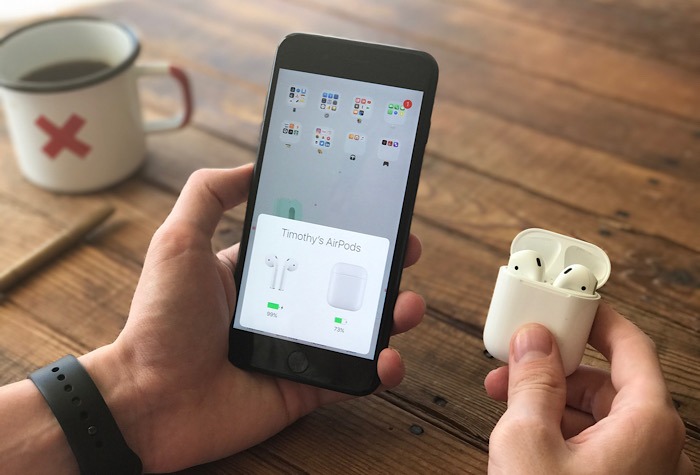
iFixit is a company that sells instructions and parts to allow users to repair AirPods on their own. These instructions include soldering, hot glue guns, and cutting off existing glue. This is probably more than most users want to do to achieve the right to repair their own AirPods.
To get something so tiny, you have to make adjustments to the design, but the right-to-repair push is still targeting Apple to do more to help users keep their AirPods a little longer. Time-consuming user repair, costly professional repair, or chucking them in the garbage and buying a new pair shouldn’t be the only options.
Government Right-to-Repair Push Gunning for Apple
The right-to-repair push has been pushed by legislators and repair shops. They want an increased availability of manuals and parts, as well as consumer protections. They believe tech gadgets should be designed with repair in mind, such as less glue involved.

Apple’s ecosystem sets them up to be a target in this push; however, the company said, “We design our products for durability in order to minimize the need for repair,” earlier this year. “But in the instance a repair is needed, we believe our customers should have convenient access to safe and reliable repair services to get their product back up and running as quickly as possible.”
The Federal Trade Commission released a report a few months back that said restrictions on repair have led consumers to replace gadgets “before the end of their useful lives.” Last week, the U.S. federal government ordered the FTC to craft new regulations.
“Tech and other companies impose restrictions on self and third-party repairs, making repairs more costly and time-consuming, such as by restricting the distribution of parts, diagnostics, and repair tools,” wrote the White House regarding the order. It linked to a story about Apple products.
Not that Apple is the only offender and the only company targeted with right-to-repair legislation – they just appear to be the most egregious. Medical companies and tractor manufacturers are also targeted.
Apple is putting on an appearance of trying to bring about changes. iFixit says iPhones are now designed for easier battery and screen replacement. Apple also has more authorized repair centers and stores than other manufacturers.
The question here is whether, as consumers, we want laws to change all this. Will changes to AirPods to make them easier to repair ourselves leave AirPods as the same valued product?
Read on to learn how to check your AirPods’ battery life, or if you want to avoid all this altogether, check out six AirPods alternatives.