
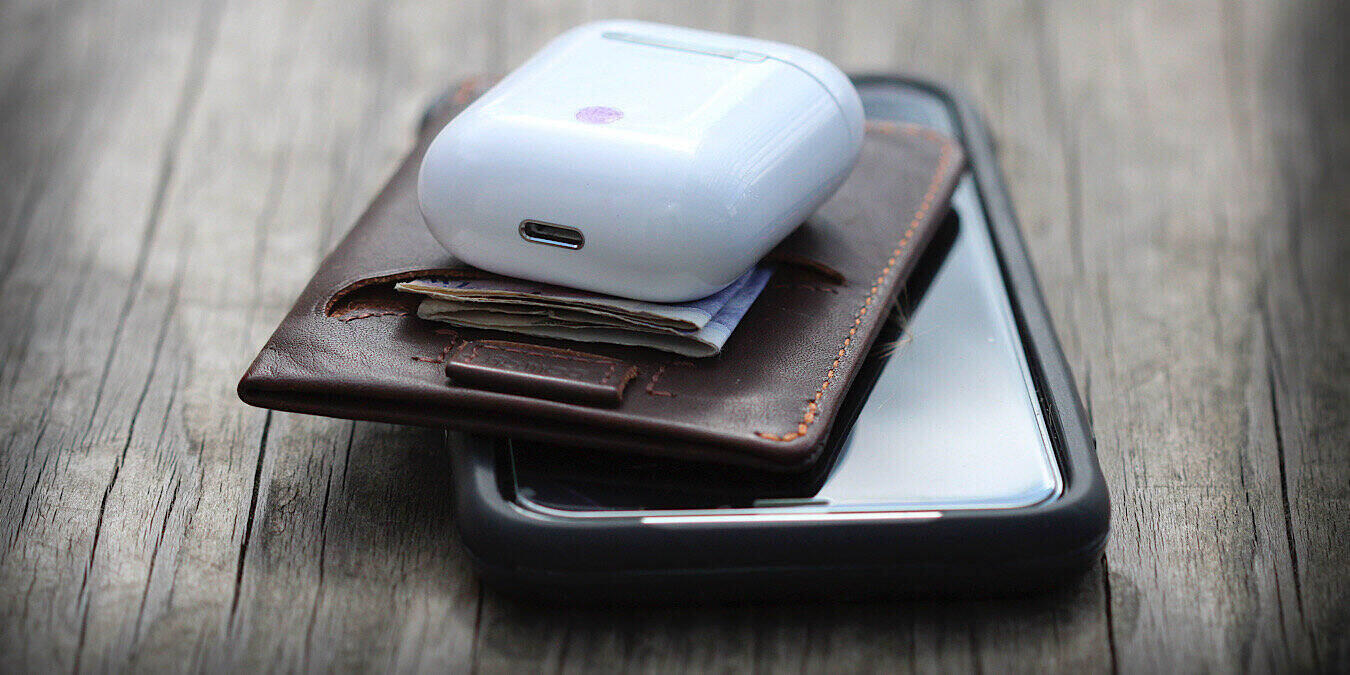

It can be difficult when traveling through the airport and having to fumble through rolling a carry-on bag and holding onto your boarding pass, picture ID, and, for the past year or so, a vaccination card. There’s help on the way, though. This week, Apple released a new solution: add your driver’s license or state ID to your iPhone’s Wallet app alongside your digital boarding pass and vaccination card.
Also read: iOS 15.1 Will Support Adding Vaccination Cards to Wallet
Arizona First State to Use New Feature
Apple first announced the feature at last year’s Worldwide Developers’ Conference. It wasn’t live yet with the release of iOS 15 in September, but Apple announced on March 23 that it’s now live – in Arizona.
“We’re thrilled to bring the first driver’s license and state ID in Wallet to Arizona today and provide Arizonans with an easy, secure, and private way to present their ID when traveling, through just a tap of their iPhone or Apple Watch,” announced Apple’s vice president of Apple Pay and Apple Wallet, Jennifer Bailey.
“We look forward to working with many more states and the TSA to bring IDs in Wallet to users across the U.S.”
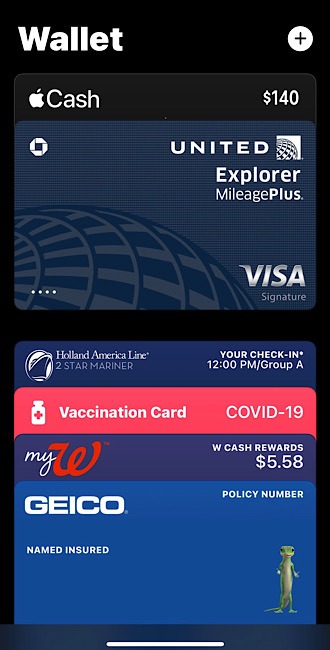
This should be a good indication of how long it will take to fully roll out. It took this long to add one state, despite Apple announcing in September that the driver’s license feature would be available in the Wallet app first in Arizona and Georgia, and later in Connecticut, Iowa, Kentucky, Maryland, Oklahoma, and Utah.
Those states are assumably still working on this, while the new announcement said the states of Colorado, Hawaii, Mississippi, and Ohio, and the territory of Puerto Rico are as well. This leaves 38 states completely out of the loop, but perhaps they are waiting to let Arizona be the guinea pig.
How the Driver’s License in Wallet Works
Like most things on an iPhone, adding your driver’s license or state ID to the Wallet app is really quite simple.
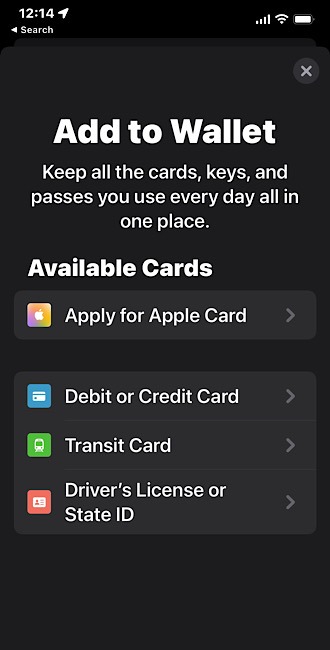
Users tap the “+” in the upper-right corner of the Wallet app, then select “Driver’s License or State ID.”
This prompts them to scan in a picture of their license or ID. The final step is to take a selfie, which will be sent with the other info to the user’s home state for verification. The user will also be asked to pose for a series of face and head movements for further setup.
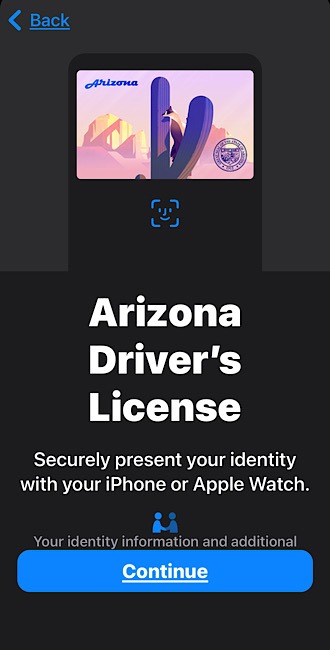
Once the state verifies the user’s request, the digital driver’s license or state ID will be added to the Wallet. It can be used when going through TSA lines by tapping the phone on a reader, the same way a boarding pass is scanned.
The iPhone (or Apple Watch) will display the information TSA is requesting, and the user is required to approve it via Face ID or Touch ID. The TSA agent will snap a photo of the user for further verification.

Apple said in its announcement that “driver’s license and state ID in Wallet is presented digitally through encrypted communication directly between the device and the identity reader, so users do not need to show or hand over their device.”
If you’re worried about losing your iPhone holding that type of sensitive information, you can use Find My to locate it, then remotely lock or erase it.
Availability
The main downside is the availability issue. As mentioned, this feature is only available in Arizona currently. The user needs an iPhone 8 or later running iOS 15.4 or later or Apple Watch 4 or later with watchOS 8.4 or later.
While it’s great that Arizona residents can fly out of the state with this feature, they can’t return using their digital driver’s license, as other states aren’t using the Apple Wallet feature just yet, so they don’t have the setup. It won’t be truly useful until it’s universal.
Will these types of features lead to “digital wallets for all”? It may be too soon to tell, but it definitely seems it’s headed in that direction.