


It is definitely a hassle to carry a vaccination card around, but it’s so important that you don’t want to misplace it. Apple plans to help you out with that. With iOS 15 just being released on September 20, the iOS 15.1 beta was released to developers, with support for adding vaccination cards to your Wallet.
Also read: Best iOS and Android Games With Controller Support
iOS 15.1 Developer Beta Includes Vaccination Card Support
First, before I go any further – yes, I know, Android already includes the ability to store your vaccination card. But because we’re talking about Apple, it goes one step further.
Some businesses, travel options, workplaces – even friends and family – won’t allow you in unless you can prove you’ve been fully vaccinated against COVID-19. This makes proving you’ve been vaccinated very, very important. Some people say you should laminate your card; some say you shouldn’t. Keeping it in your phone digitally just seems like a no-brainer.
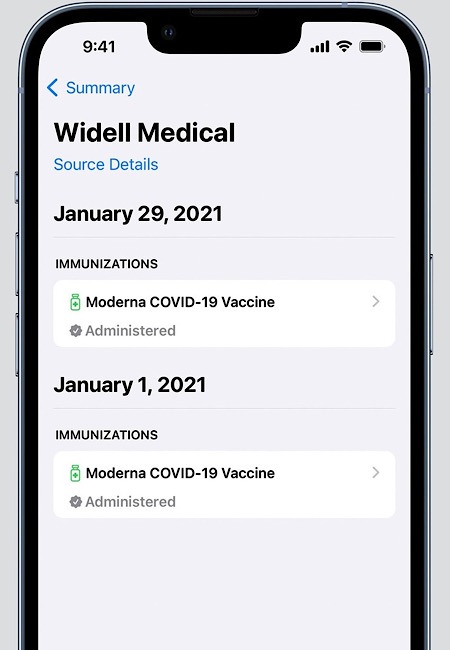
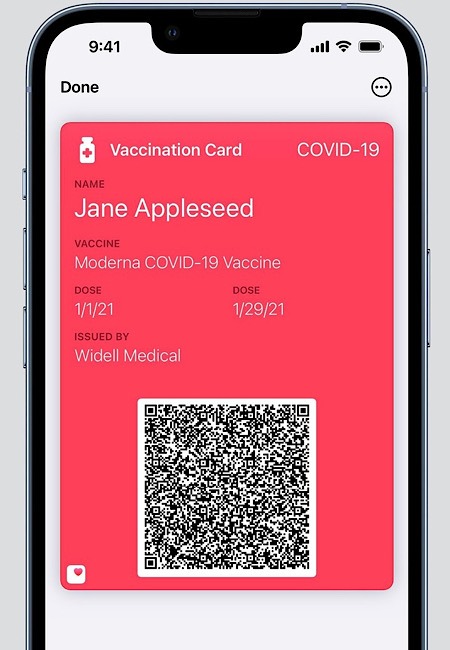
The iOS 15.1 developer beta allows you to add your vaccination status to the Health app. Once it’s stored in the app, it can then be shared as a vaccination card in your Wallet. You can show it when you need to, just as you would an airline ticket. It will also include a scannable QR code.
An existing feature in iOS allows verifiable health records to be stored in the health app. These are based on the SMART Health Cards specification. If a third-party app asks for this information, you can share it. These third-party apps could include airlines, entertainment venues, employers, etc.
Organizations that use SMART Health Cards will be able to alert their patients/customers that they can download and store their vaccination status in the Health app on their iPhones, which will allow them to quickly show it via the Wallet app.
One disclaimer is that this will depend on individual states in the U.S. If your particular state decides not to allow this, you won’t be able to participate. Additionally, the organization that is in control of your vaccination information will need to take advantage of it.
iOS 15.1 Availability
iOS 15.1 is expected to have other anxiously-awaited features as well. One of these is SharePlay. This feature will allow users to stream music, binge-worthy TV shows, etc., via FaceTime. It also allows users to share their screens. It was announced as part of iOS 15 but wasn’t available in the initial release on September 20.
Another feature that may be available in the final iOS 15.1 release is iCloud’s Private Relay feature, which encrypts your data on Safari and other apps.
It will be some time before iOS 15.1 will be released publicly and even more time before all organizations and states are on board. While it has just been released to developers, it still has to debut as a public beta, but that should be soon.
Read on to learn about the initial iOS 15 announcement as well as the more recent iPhone 13 announcement.
Image Credit: Apple Developer