


There is a rapid increase in online threats, which makes it important to have programs that can protect your devices. Antivirus and antimalware are two such tools, and while they often get grouped together, they serve slightly different purposes. Below, we share how these two programs differ and why both are essential for your device’s security.
What is Antivirus?
To understand antivirus, let’s first discuss what a virus is.
It is a type of malicious software that, like a biological virus, attaches itself to legitimate programs/files and is activated when you run them. A virus can corrupt your files, damage your system’s performance, and even compromise sensitive information.
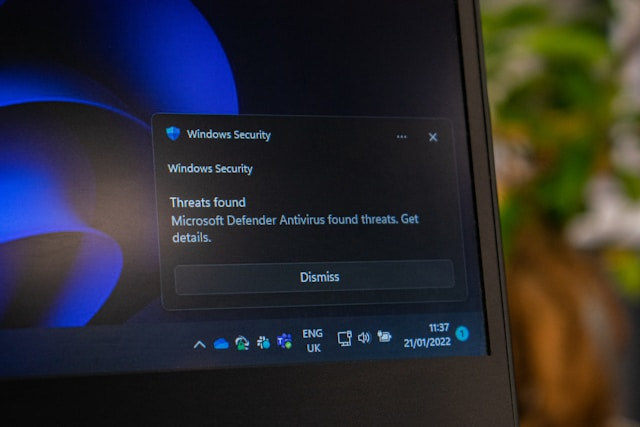
An antivirus is a tool that is designed to protect your devices from all of the above. It works by scanning your computer for files or programs that match a regularly updated database of known viruses. When something is detected, it either removes it or quarantines it to prevent it from causing harm. Some of these programs run in real-time, so they can catch the threats before they run on your device.
For example, let’s say you download a free music file from a website that looks legitimate but isn’t entirely trustworthy. The file contains a virus that can corrupt your files and slow your computer down. An antivirus program would scan this file as soon as you download it or before you open it. If it detects the virus, it can either block the file altogether or quarantine it.
What is Antimalware?
A virus is just one form of malware. There are several other types (ransomware, spyware, trojans, adware), and antimalware protects your devices from this broader range of malicious programs.
Unlike antivirus, it doesn’t just rely on a known database of threats. Antimalware combines a range of detection methods and uses techniques like behavioral analysis to identify and stop newer, more sophisticated threats. Some can also tackle emerging threats that traditional antivirus software might not yet recognize.

You can deploy it on your computer, gateway servers, or even network-level systems.
For example, imagine you are on a website and come across what looks like a legitimate pop-up offering a free trial for a known app. You download it, not realizing it’s actually spyware that can track your online activities and access private information. Traditional antivirus software might not catch it immediately since it disguises itself as a legitimate program. Anti-malware can detect unusual behavior and block the program before it causes any harm.
The Main Differences Between Antivirus and Anti-Malware Software
Antivirus software primarily targets viruses, which are just one form of malware. Since it relies on an existing database of viruses, it works better against older, well-documented threats. You can use it to protect your computer from the more traditional risks.
An antivirus can also remove the existing viruses on your computer.

Antimalware takes a broader approach. It can help protect from a wider range of malicious software that antivirus software may not always recognize. Antimalware can also include add-ons like password managers, ad-blockers, and other or real-time scanning features.
When to Use an Antivirus
All of us download files and programs on a regular basis. Even if you are cautious, it is nearly impossible to manually check every single file for hidden threats. This is where antivirus software can help provide a basic but essential layer of protection.
It works in the background, scanning downloads, email attachments, and even websites you visit to make sure anything harmful doesn’t slip through unnoticed. Simply put, if you are someone who regularly interacts with online content (whether it is downloading something or streaming content), you should have an antivirus installed.
However, there are several essential features your antivirus program should have if you want to enjoy comprehensive protection.
When is Anti-Malware Necessary
If you want to protect your device from advanced and more sophisticated threats, you should have an anti-malware installed.
These can include ransomware, which locks your files and demands payment if you want to regain access. Similarly, there is spyware, which quietly tracks your activities to steal sensitive information like passwords or credit card details.

If you often download files from lesser-known websites, use peer-to-peer sharing platforms, or receive frequent email attachments, you’re at a higher risk of encountering these forms of viruses. Even if you already have an antivirus installed, having anti-malware will add an extra layer of security.
In conclusion, both antivirus and antimalware play an important role in keeping your devices secure. There are several paid as well as free antivirus and antimalware options to consider. Choose the one that best fits your needs based on the threats you are likely to encounter.
Image credits: Pixaby