


This is not what most Alexa users signed up for when they decided to build their lives around the voice assistant. Starting next year, some of your questions to Alexa will be met with “Customers Ask Alexa,” sponsored shopping responses from brands partnered with Amazon.
Also read: Amazon to Add Creepy Alexa Feature to Mimic Any Voice
Customers Ask Alexa
Amazon announced the Customers Ask Alexa feature on Thursday. A blog post explained that “when customers pose questions to Alexa, including queries related to a product’s features or compatibilities, Alexa responds with helpful answers provided by brands from those product categories.”
The example Amazon provides is a customer asking how they can remove pet hair from their carpet. I posed this question just now to Alexa, who answered, “I found this on the Web: use a lint roller or a wet paper towel to remove pet hair from carpet or furniture.”
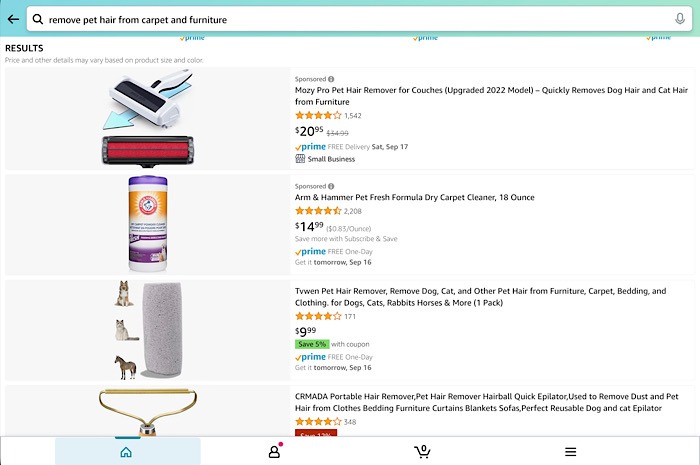
Putting aside that the answer is something most people already know, for argument’s sake, that is helpful information and wouldn’t require me to buy any products.
But if I ask Alexa that question later in 2023, I’ll get a response from a brand that is partnered with Amazon. Amazon showed a series of questions related to the pet hair question that it would supply to a brand, telling the brand to “answer frequently-asked customer questions that Alexa has identified as relevant to your store.”
It goes on to explain that if the brand’s answer is selected, it will be shown at the top of Amazon Search, increasing the “discoverability” of the brand’s products and “boosting your reputation” as an expert. Brands also get to see the metrics of how many times their answer was viewed and how many store visits it led to.
Amazon tempers this by letting users know that all answers will need to go through content moderation before being selected to answer that particular question.
“Amazon recognizes brands as experts on their products. With this new capability, we have made it easier for brands to connect with customers to help answer common questions and better inform their purchase decisions,” said the general manager of Alexa Shopping at Amazon, Rajiv Mehta.
But the thing is, when I asked that question, I wasn’t looking to buy anything. It’s not making it easier. It will annoy me, as I just want to know how to get rid of the pet hair. But after asking my questions, I will have to sit through what amounts to commercials on behalf of Alexa on Amazon Echo or Fire TV.
Availability of This Alexa Change
A select group of brands will be invited into the program and will start seeing Customers Ask Alexa in Seller Central next month. Next year, it will be available to all eligible U.S. brands. Amazon users will start seeing the answers in the Amazon search bar later this year and on Echo devices in mid-2023.
The burning question is how Amazon’s Customers Ask Alexa will affect the use of Alexa. I used to use Siri as my go-to voice assistant, but there just aren’t as many devices that use Siri, while Alexa is installed on nearly everything. It’s just so much easier to use.
However, it won’t be easier for me to use Alexa with Customers Ask Alexa getting in the way. It will take longer to retrieve the information I was looking for.
It’s clear that having Alexa be more helpful isn’t the goal Amazon is trying to meet by providing these sponsored answers to questions. It mentioned in the blog post that billions of dollars are spent “helping sellers succeed.”
This news follows other Amazon Alexa upgrades, such as alerting you that your package has been delivered and Sidekick, that helps kids learn to read.
Image credit: Unsplash Alterations and screenshots by Laura Tucker