
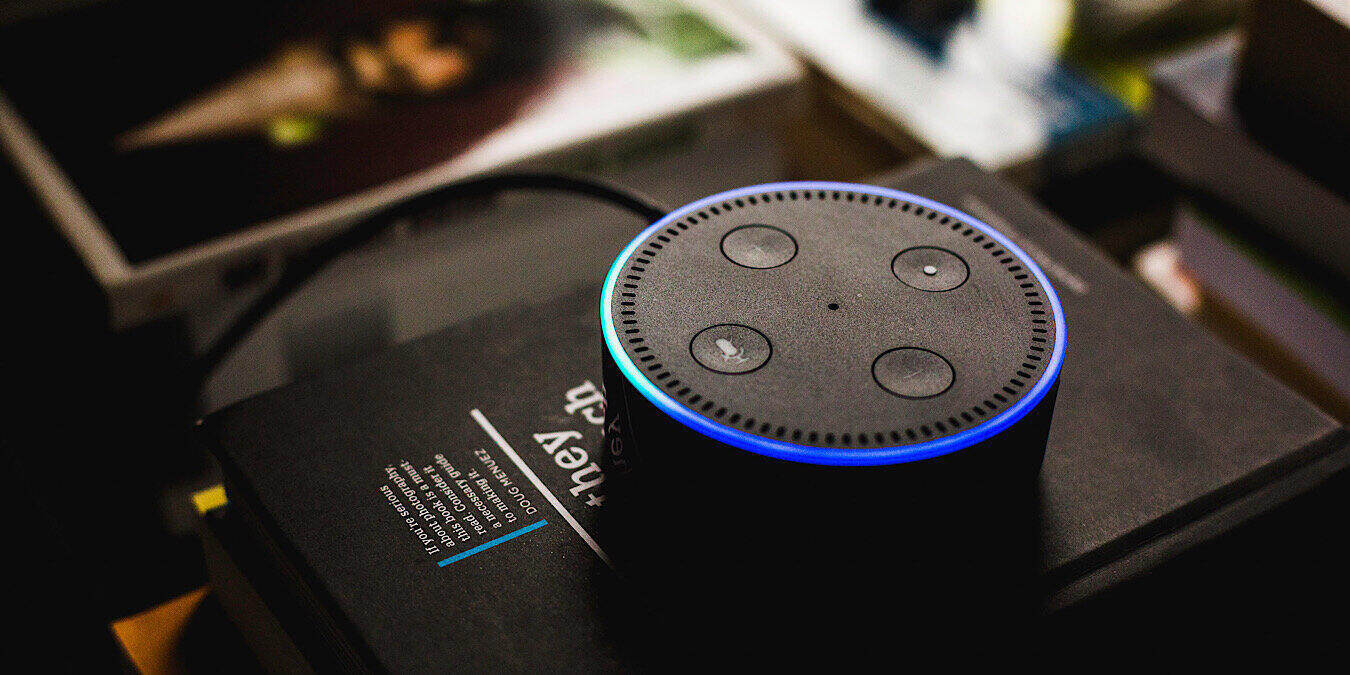

In the eight years since we’ve had Amazon Alexa, it’s become a household word/name. You may not use it because you find the virtual assistant who listens to you a little creepy – but it’s about to get a little more creepy. Amazon is working on a way to allow customers to have Alexa mimic any voice.
Also read: Alexa Gets New Feature to Alert You of Package Deliveries
Alexa to Mimic Any Voice
Even if you don’t use Alexa, you probably have a few devices sitting around that work with Alexa. The voice assistant can do many things. Along with giving you helpful information about the weather, sports scores, trivia, the news, etc., it also works with “skills” and smart devices.
One of the skills Alexa does is read stories to you. If you’re struggling to fall asleep, Alexa can tell you a bedtime story – yes, even for adults. But soon, you won’t have to settle for Alexa’s voice reading the story – it can be the voice of anyone you wish to hear.
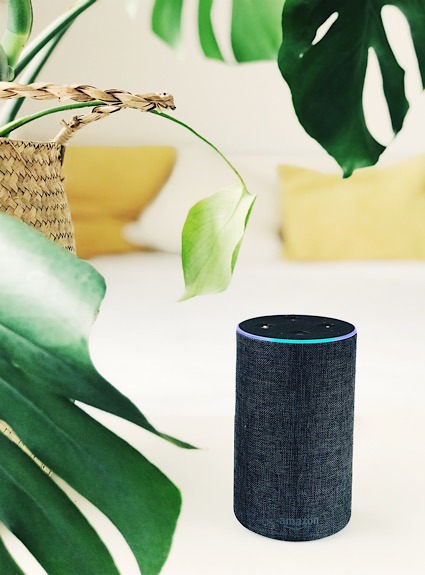
Rohit Prasad, a senior vice president at Amazon, announced on Wednesday that a system to allow Alexa to mimic any voice is in development. It would only need to hear the other voice for less than a minute to pick up its nuances.
Amazon’s goal is to “make the memories last,” especially after “so many of us have lost someone we love” to COVID, explained Prasad.
The aim, according to the Amazon exec, is for Alexa to have “generalizable intelligence” or gain the ability to learn without much user input.
However, Amazon wants to be sure no one confuses this ability “with the all-knowing, all capable, uber artificial intelligence,” or “AGI,” a project DeepMind (from Alphabet) and OpenAI (co-founded by Elon Musk) are working on.
Amazon’s example of this new feature under development was seen in a video clip. A child asked, “Alexa, can Grandma finish reading me the Wizard of Oz?”
Alexa then changed her voice, assumably to that of the child’s grandmother, and read the story.
Whose Voice Would You Listen To?
My immediate thought for a voice Alexa would mimic was a celebrity. You could have Elon Musk, Kim Kardashian, LeBron James, or Mandy Moore reading you a story.
But the child’s grandma example just seems creepy – whether the person is alive or deceased. Sure, it would be nice to hear the voices of deceased loved ones again – but it’s just a little … creepy.
This is something that wouldn’t have been possible when I was a child. Even if we had Alexa – or even home computers – back then, our home movies existed on 8mm and didn’t have sound. But now, we all have phones in our pockets with videos and voicemails from our loved ones who have passed on. But I’d rather hear those – and not a computerized version of my loved one’s voice.
Yet, I can see how my young great-nephews could feel soothed to hear their grandmother’s voice. You just have to get past the creepiness and possible nefarious reasons people would use such a feature.
Alexa mimicking a voice isn’t the only creepy technical advancement. Read on to learn about a Google engineer who believes a Google chatbot in development is “sentient.”
Image credit: Unsplash