
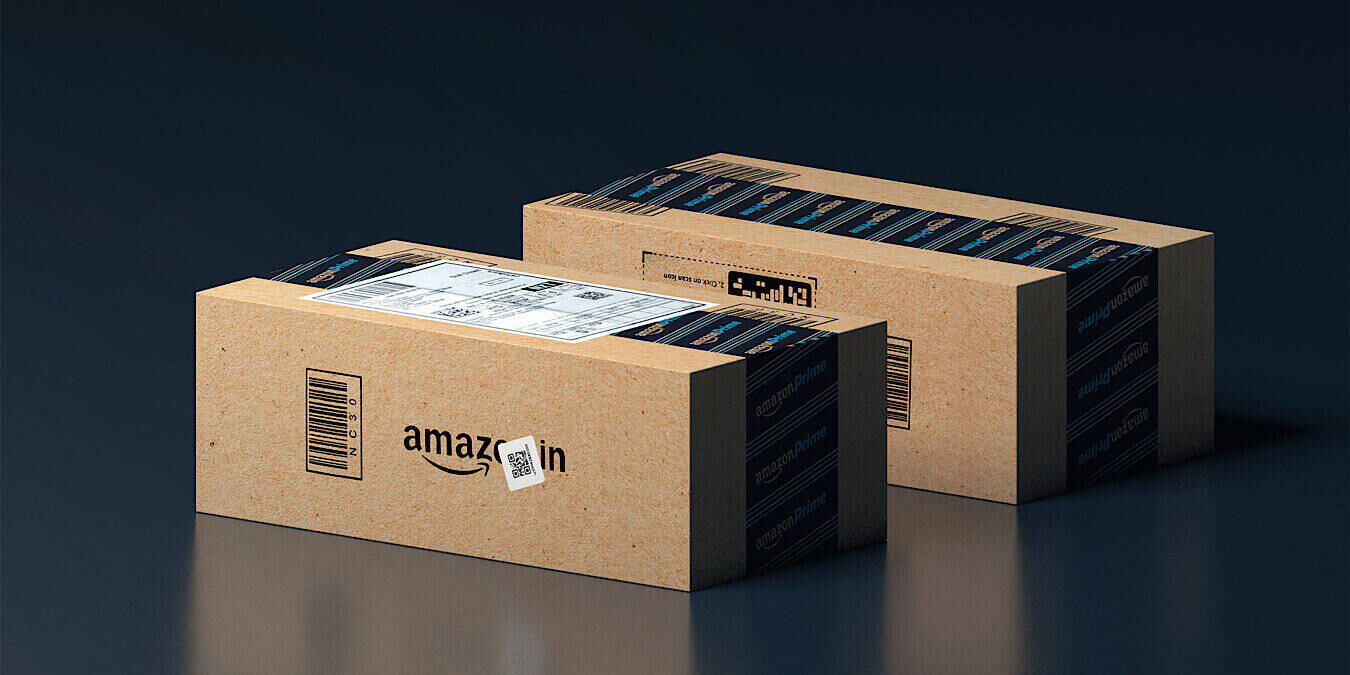

The pandemic made a few significant changes to the tech world. One of those was an increase in online shopping. Having packages delivered was many times a better option than braving a brick-and-mortar store in a mask. Amazon is holding on to that reliance and has added a feature to Alexa to send notifications when you receive package deliveries.
Also read: Ring Doorbell Patents Show Future Uses of Biometric Data
Package Delivery Notifications via Alexa
Truthfully, Amazon has been tinkering with its package deliveries even before the global health crisis. The company introduced a program where its customers could allow Amazon drivers to enter their homes when they were gone to deliver packages. But that whole idea just never really seemed too appealing.
Amazon’s new program seems like it can be used by more people. Instead of letting strangers into your home, Alexa will inform you when a package has been delivered.
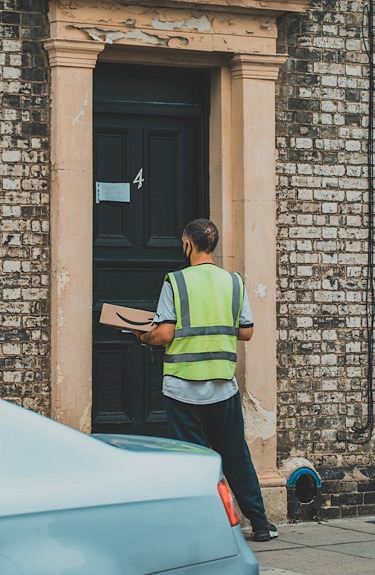
Alexa made the Alexa Detection Sensor API available to developers and camera manufacturers. The API “enhances offerings from camera manufacturers who have already developed their own computer vision solutions in three important ways:”
The first enhancement is “Alexa voice notifications on Amazon Echo devices.” These notifications will be triggered by events like a package being dropped off or a person standing on your porch. Users will have an option to hear an Alexa announcement on an Echo speaker; view the video on an Echo Show, Fire tablet, or Fire TV; or simply get a push notification from the Alexa app.
Another enhancement will “provide personalized experiences to end users.” Users can decide which devices will receive customized notifications of package deliveries.
The last enhancement will “enable customers to automate their smart homes.” Routines can be created with smart home devices that will be triggered by an action, such as a package being dropped off. This could lock the front door or turn on the porch light.
While you may be thinking this isn’t much different than existing Alexa features, Scott Beck, the CTE of Abode, noted, “We have always had the ability to notify customers with notifications on their phones, but this API allows us to extend this functionality into the house so customers can hear when a package has been delivered or see and talk to the person identified at the front door.”
Truthfully, many times my Ring Camera already announces on my Echo that there is a person at my door when I receive a package delivery. But it says the same thing when someone from my family is coming through the door. I have a delivery app that notifies me a short time later that a package has been delivered. It would be nice to have this process tightened up a bit.
Availability
Once camera manufacturers integrate the API, users can opt in to the Alexa notifications of package deliveries.
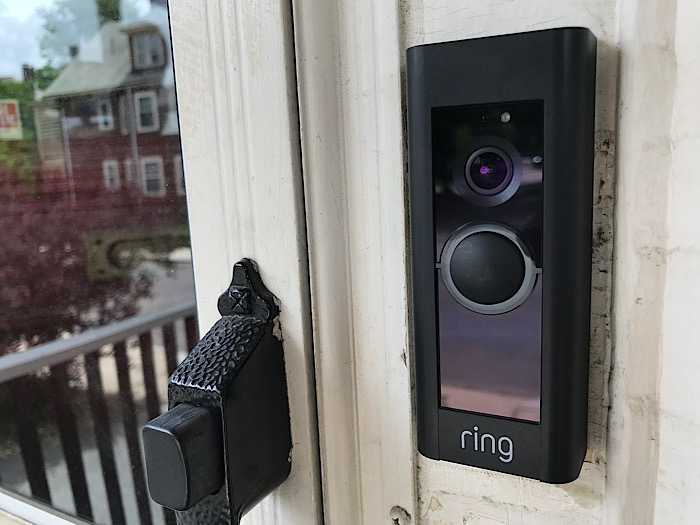
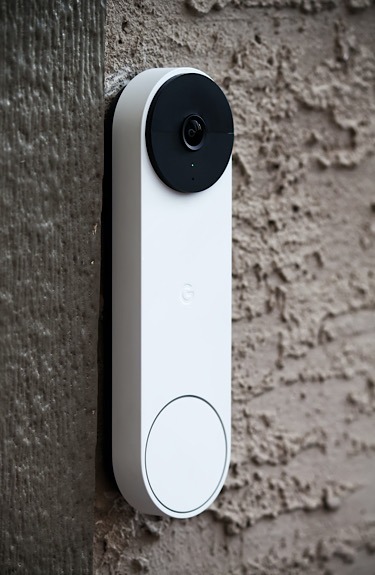
So far, Ring, Google, and Abode are the only known camera manufacturers to be partnering with Amazon. All Ring Doorbells can utilize the Person Notification feature as well as cameras certified under “Works with Alexa.” Google Nest Cam, Nest Cam, Nest Cam with floodlight, and Nest Doorbell will soon get this feature. It will be available, too, for the Abode IOTA and outdoor cameras.
So far, only Ring Video Doorbell Pro 2 and Ring Video Doorbell (2020 release) can access the Package Deliveries notifications, and it will release for the Abode IOTA and outdoor cameras.
Once the manufacturer has integrated the API into your camera, you can opt in to the Alexa person and package deliveries notifications on the camera settings page of the Alexa app.
Read on to learn about one of Alexa’s most recent enhancements: Conversation Mode.