
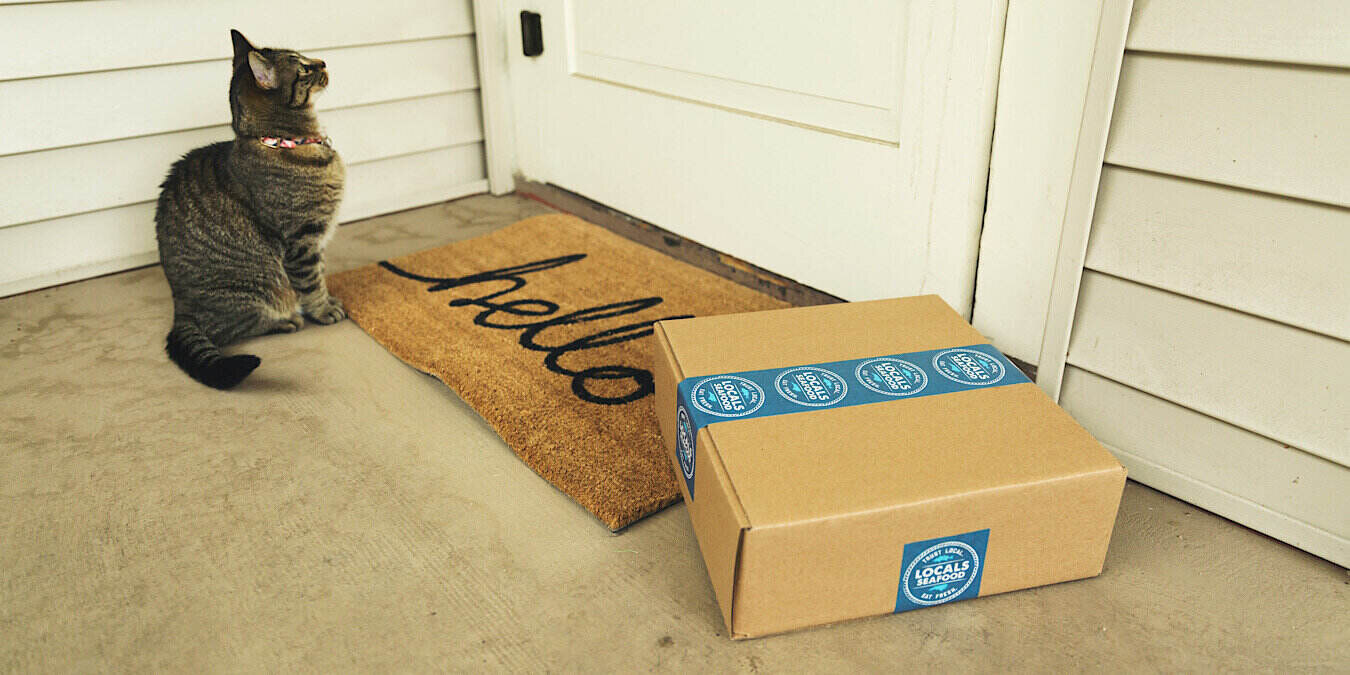

This is a busy time of year for those in the service industry, particularly Amazon delivery truck drivers and other shippers. Why not send your Amazon delivery driver a little treat and say, “Alexa, thank my driver” this holiday season? This will send your driver a $5 tip.
Good to know: you may not have as many opportunities to thank your driver in the future, as Amazon has been working for some time on an initiative to make deliveries by drone.
Amazon to Tip Its Drivers and Customers!
Face it: making deliveries this time of year isn’t easy. They’re not just delivering a box or two – they’re delivering whole armloads. It’s just too easy to complete your holiday shopping at Amazon with its great sales and one-stop shopping. The drivers are also battling nasty weather in some climates.
I’ve seen displays set up for delivery drivers during other parts of the year: treats and bottled water set out on the front porch, inviting drivers to treat themselves. It’s a great gesture and probably also ensures that your packages will be treated kindly.
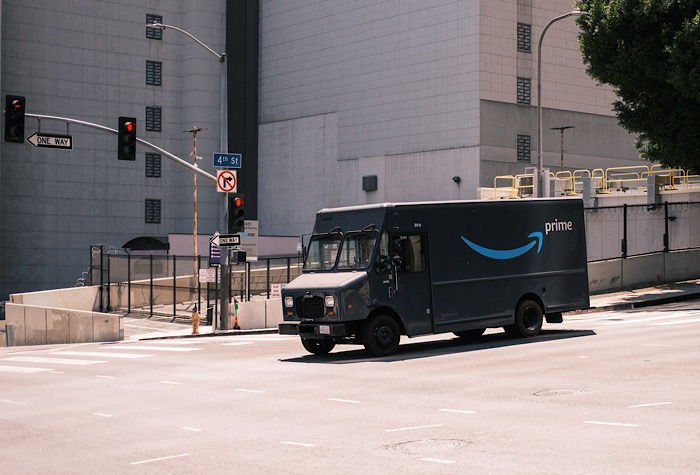
Amazon is getting in on that action. The online shopping giant announced in a blog post this week that its customers could show the drivers some appreciation by offering, “Alexa, thank my driver.” It may or may not be enough to change their holiday experience, but it will at least make a difference in their day.
Admittedly, there are days when the Amazon driver can feel like a best friend. They could be bringing food, supplies, or even a pair of new shoes you’ve been waiting to buy.
Amazon wrote in the blog post that it’s seen Amazon customers thanking the drivers on social media, in emails and phone calls, etc. You’ll get the chance to let the driver know of your appreciation, not just your Facebook friends.
How “Alexa, Thank My Driver” Works
This U.S.- feature allows you to tell an Alexa-enabled device or Alexa or Amazon mobile app, “Alexa, thank my driver.” The driver who delivered your most recent package will be notified that you sent along your gratitude.
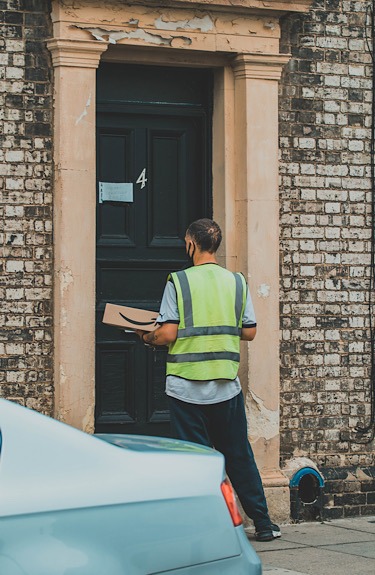
But the drivers get more than just your good feelings. Amazon is putting some money behind this initiative as well. The first 1 million requests it receives to thank a driver will yield $5 for each one to the drivers – but it’s not going on your bill. Amazon is footing the cost of the $5 tips. Better yet, the five drivers who receive the most thank you requests during the promotion will receive an additional $10,000 and an additional $10,000 for the charity of their choice!
By just letting your Amazon driver know that you appreciate them, you’ll be giving them $5 toward a cup of coffee on their break or maybe even a beer after work. If enough customers do the same, that driver will have a great day. And if they are one of the best Amazon drivers, they could be rewarded with life-changing money and have the opportunity to do that for others.
The program started December 7 and will continue until the first million drivers have been thanked. If you appreciate your delivery, don’t forget to tell Alexa to thank the driver and possibly change their day. Want to spread even more good cheer this holiday season? Learn how to make donations to charities while you shop on Amazon.
Image credit: Unsplash