


If there’s one thing parents wish they had more of, it would be time – time for themselves, time for their children, etc. They can get a little more of that time back with Reading Sidekick, an Alexa skill that reads with children. Parents can entrust Alexa with the task or sit with their children as they learn.
Newest Amazon Skill, Reading Sidekick
As Amazon explains in a blog post, “The magic of reading happens when kids transition from learning to read to reading for fun.” Knowing this, Alexa created Reading Sidekick to help kids through that process.
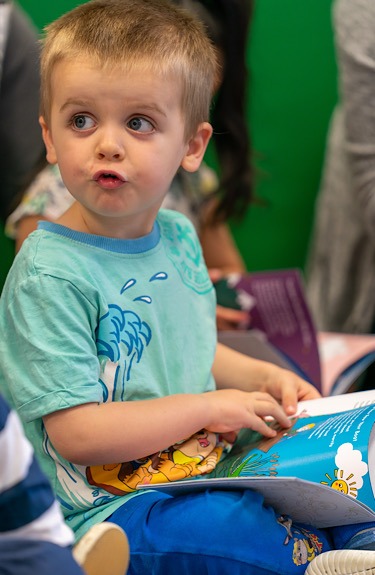
The new Alexa skill’s goal is to help kids ages 6 – 9 become stronger readers. They learn how to read independently by reading their choice of books, whether hard copy or digital. More books will be added each month.
Using Reading Sidekick
Parents just need an Echo device that supports Amazon Kids and a $5/month service, Amazon Kids+. Kids say, “Alexa, let’s read,” along with the title of the book they wish to read.
The child also must tell Alexa how much they want to read. If they say “a little,” Alexa will read the lion’s share of the book and prompt the child to read a shorter page. If the child says “a lot,” they will take turns with Alexa by reading four sentences, paragraphs, or pages at a time, depending on the book.

Alexa will offer encouragement as the child reads by saying, “Amazing job!” “Way to stick with it!” etc. If they stop or get stuck on a word, Alexa will give them the next word to help them along.
Parents can keep track of their child’s reading and the books they’ve read on the Amazon Kids’ parent dashboard. They can set educational goals as well. If they have multiple children using Reading Sidekick, they can create separate voice profiles.
Alexa Gets Smarter Too
Children aren’t the only ones getting educated. Alexa learned while the skill was being developed. The voice assistant learned how to support young readers by providing more time to kids to sound out words. Additionally, Alexa learned to understand dialect differences, whether geographically, culturally, or developmentally. Amazon promises that “Alexa will not ask a reader to repeat a word a particular way.”
Of course, there’s more to Reading Sidekick than education – there’s entertainment value as well. Dr. Michelle Martin, a University of Washington professor for Children and Young Services and a member of the Amazon Kids and Family Advisory Council, offered her opinion.

“Reading Sidekick offers children excellent reading support in the form of ‘edutainment’ – kids learn a gracious plenty, but they’re enjoying the interaction with Alexa so much, they don’t necessarily know they’re learning,” she said.
“The Amazon education team has done due diligence to glean best practices from teachers, reading specialists, and children’s literature scholars to ensure Reading Sidekick is not only engaging but backed by decades of research on literacy development,” added Martin. “Whether children use it alongside an expert reader or alone, they will gain confidence, reading independence, and greater enthusiasm for story.”
Also lending her opinion is Marissa Mierow, the head of Alexa Education & Learning. “With the arrival of Reading Sidekick, we are hopeful we can make reading fun for millions of kids to set them up for a lifetime of learning and a love of reading,” she said, adding, “Alexa provides a welcoming, no-judgement zone and is always ready to help and to read.
Read on to find out the best sites to find free online books for kids and websites to legally download ebooks for free.